
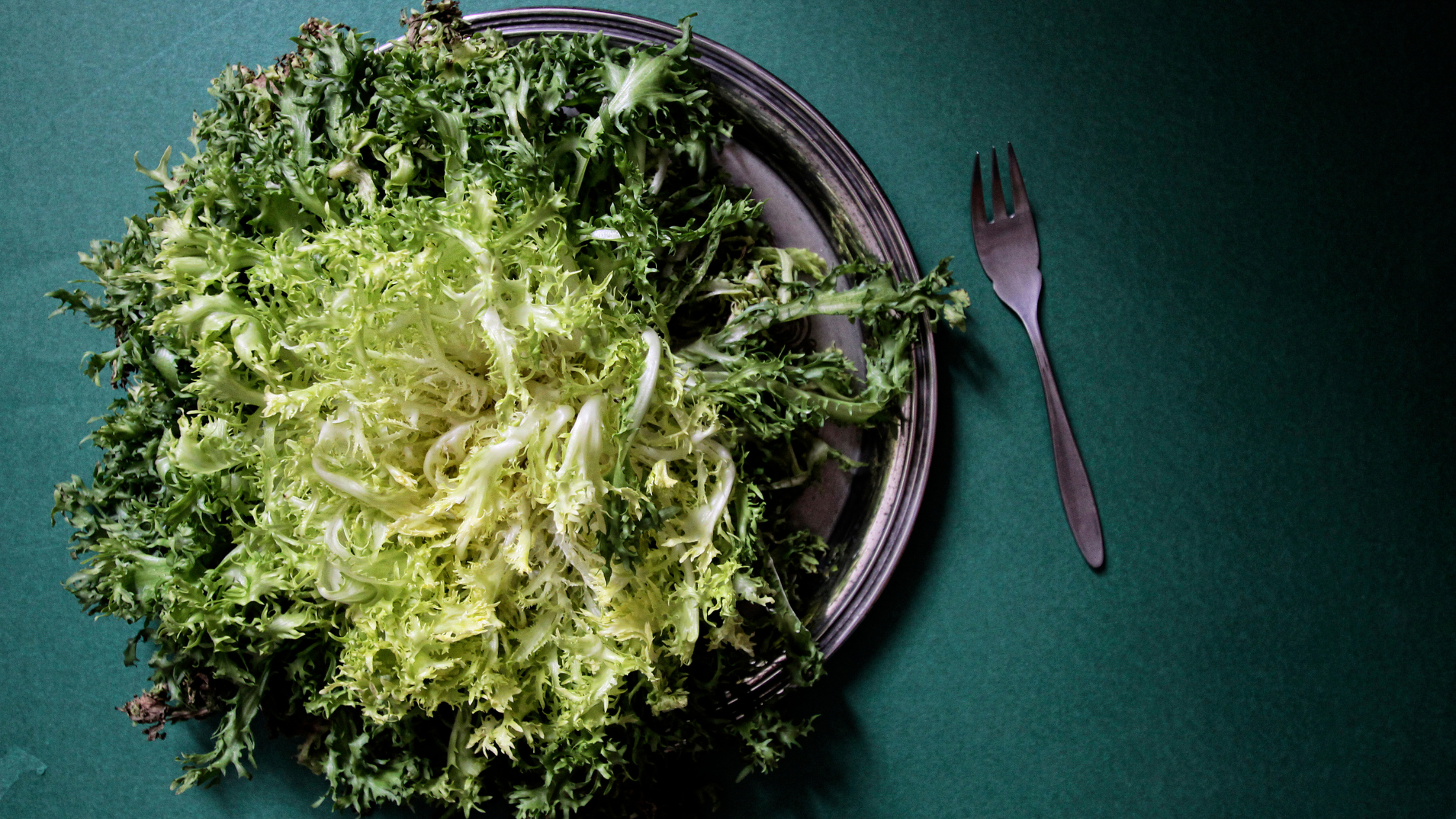
Escarole
Escarole, a leafy green vegetable often overshadowed by its counterparts like kale and spinach, deserves a spotlight of its own in the realm of nutrition and wellness. Its crisp texture and slightly bitter taste make it a versatile addition to various culinary dishes worldwide. Beyond its culinary charm, escarole boasts an array of health benefits and a rich historical tapestry that deserves exploration.
Escarole, scientifically known as Cichorium endivia var. latifolium, belongs to the chicory family. Its origins can be traced back to the Mediterranean region, where it has been cultivated and appreciated for centuries. Ancient civilizations such as the Greeks and Romans prized escarole for its culinary and medicinal properties. Over time, its cultivation spread across Europe and eventually to other parts of the world.
Escarole is a highly nutritious leafy green, packed with essential vitamins, minerals, and phytonutrients, including beta-carotene, vitamin C, vitamin K, folate, and various antioxidants. These compounds work together to combat oxidative stress, reduce inflammation, and enhance immune function, promoting overall health. Additionally, escarole is an excellent source of dietary fiber, which aids digestion and supports gut health. Its high potassium content helps regulate blood pressure, while folate and antioxidants contribute to cardiovascular health, reducing the risk of heart disease. The abundance of vitamin K in escarole supports bone health by facilitating calcium absorption and lowering the risk of osteoporosis. Furthermore, being low in calories and carbohydrates, escarole is an ideal choice for those aiming for weight loss or management.
Its characteristic crunchy texture and mildly bitter flavor enhance ready-to-eat salads, where it is often combined with other ingredients to create balanced meals. Escarole can be enjoyed raw or cooked; when sautéed or braised, its bitterness mellows, allowing for a sweeter taste profile. Additionally, escarole is frequently used in traditional recipes alongside other bitter greens, contributing to the healthful attributes of the Mediterranean diet.
While generally safe for consumption, individuals with certain health conditions such as kidney stones or allergies to related vegetables like ragweed should exercise caution or avoid escarole consumption. Some individuals may experience mild digestive discomfort or allergic reactions. It’s essential to wash escarole thoroughly to remove any dirt or pesticides. There are no known interactions between escarole and medications. However, individuals taking blood-thinning medications should monitor their intake of vitamin K-rich foods, including escarole, to ensure consistent dosing.
In traditional Chinese medicine (TCM), bitter-tasting foods like escarole are believed to have cooling properties and are associated with the metal element. They are often used to clear heat, detoxify the body, and promote digestion. Escarole may be incorporated into soups, stir-fries, or consumed raw in salads in TCM dietary practices.
In Western herbalism, escarole is not as commonly utilized medicinally as other herbs from the chicory family. However, its nutritional profile aligns with principles of promoting overall health and wellness through diet.
In conclusion, escarole emerges as a remarkable leafy green that warrants greater recognition for its nutritional value and historical significance. Its rich array of vitamins, minerals, and antioxidants positions it as a formidable ally in promoting health and preventing disease. The vegetable’s versatility in culinary applications, ranging from raw salads to cooked dishes, further enhances its appeal, allowing it to fit seamlessly into diverse dietary practices.
Donadio, G., et al. (2023). Characterization of health beneficial components in discarded leaves of three escarole (cichorium endivia l.) cultivar and study of their antioxidant and anti-inflammatory activities. Antioxidants, 12(7), 1402. https://doi.org/10.3390/antiox12071402
Guttman, N. and krueger, r. (2009). Utica greens: central new york’s italian-american specialty. Gastronomica, 9(3), 63-67. https://doi.org/10.1525/gfc.2009.9.3.63Top of Form
MyFoodData. (n.d.). Escarole nutrition facts and health benefits. Retrieved December 13, 2024, from https://tools.myfooddata.com/nutrition-facts/168413/wt1/1
Medical Disclaimer
The information provided in this document is intended for educational and informational purposes only and should not be construed as medical advice, diagnosis, or treatment. It is essential to consult a qualified healthcare professional for any medical concerns or conditions. The content herein does not substitute for professional medical advice, and individuals should not disregard or delay seeking medical advice based on the information provided.
The authors and publishers of this document do not assume any responsibility for any adverse effects or consequences resulting from the use or application of the information contained herein. The reader is encouraged to conduct their own research and consult with healthcare providers to make informed decisions regarding their health and treatment options. Furthermore, the information presented may not reflect the most current research or medical guidelines, as medical knowledge is continually evolving. Therefore, it is imperative to verify the information with up-to-date, peer-reviewed sources and consult with medical professionals for personalized advice.