
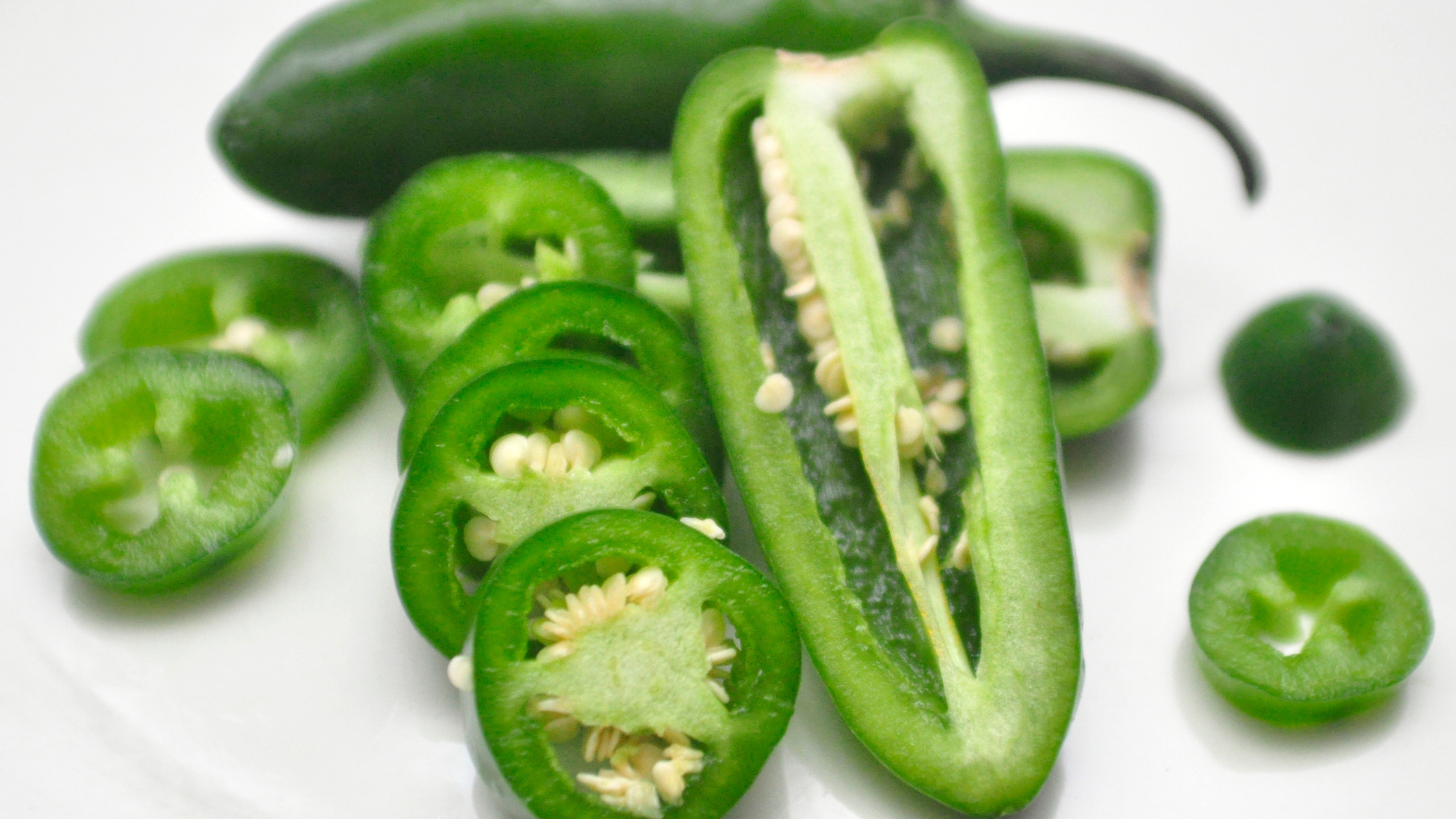
Jalapeno Pepper
Jalapeño peppers, with their distinctive heat and flavor, have carved out a significant place in the culinary world. Beloved for their spicy kick, these peppers are not only a staple in Mexican cuisine but have also gained popularity globally. Beyond their culinary uses, jalapeños boast a range of health benefits and interesting properties.
Originating in Mexico, jalapeño peppers are named after the city of Jalapa in Veracruz. These peppers have been cultivated for centuries, with evidence of their consumption dating back to Aztec and Mayan civilizations.
Spanish colonizers are credited with spreading the cultivation of jalapeños beyond Mexico, introducing them to Europe and other parts of the world during the Columbian Exchange in the 16th century.
The spiciness of jalapeño peppers comes from capsaicin, a compound found in chili peppers. Capsaicin binds to pain receptors in the mouth and triggers the sensation of heat. This interaction stimulates the release of endorphins, neurotransmitters that act as natural painkillers, leading to the pleasurable sensation often associated with eating spicy foods. Jalapeño peppers are packed with vitamins, minerals, and antioxidants, making them a nutritious addition to any diet. They are particularly rich in vitamin C, which supports immune function, and vitamin A, essential for eye health. Additionally, capsaicin has been studied for its potential benefits in pain relief, weight management, and cardiovascular health.
They can be enjoyed both raw and cooked, making them a versatile ingredient in dishes such as salsas, salads, and sauces. In traditional Mexican cuisine, jalapeños are often incorporated into mole sauces, where they contribute both spice and depth of flavor. Additionally, they can be pickled or roasted to enhance their sweetness and complexity, and are frequently used as a garnish for tacos, nachos, and other savory dishes. When preparing jalapeños, it is essential to handle them carefully, as their capsaicin content can cause skin irritation; using gloves is recommended to prevent discomfort.
Jalapeño peppers provide various health benefits; however, they may not be suitable for everyone. Individuals with digestive disorders such as irritable bowel syndrome (IBS) or gastroesophageal reflux disease (GERD) might experience discomfort or worsening symptoms after consuming spicy foods like jalapeños. Those with sensitivities or allergies to capsicum should also avoid these peppers to prevent adverse reactions. While generally safe, excessive consumption can lead to gastrointestinal issues, including heartburn, indigestion, and diarrhea. Additionally, handling jalapeños without gloves may cause skin irritation due to capsaicin. Capsaicin supplements or topical treatments can interact with certain medications, such as blood thinners and antihypertensive drugs, making it essential to consult a healthcare professional before use, especially for those on prescription medications.
In traditional Chinese medicine (TCM), jalapeño peppers are regarded as a stimulating food that enhances the flow of qi (vital energy) and promotes circulation, aligning with the Fire element due to their warming properties. They are believed to positively influence the Stomach and Spleen meridians, which play crucial roles in digestion and nutrient absorption, thereby enhancing overall vitality. In Western herbalism, capsaicin, the active compound in jalapeños, is commonly used topically for its analgesic effects, often found in creams or ointments to relieve pain from conditions such as arthritis and neuropathy.
In conclusion, jalapeño peppers are not only a flavorful addition to meals but also offer a range of potential health benefits. From their rich history to their modern-day applications, these spicy wonders continue to captivate taste buds and inspire culinary creations worldwide.
Haanpää, M. and Treede, R. (2012). Capsaicin for neuropathic pain: linking traditional medicine and molecular biology. European Neurology, 68(5), 264-275. https://doi.org/10.1159/000339944
Hervert-Hernández, D., Sáyago‐Ayerdi, S., & Goñi, I. (2010). Bioactive compounds of four hot pepper varieties (capsicum annuum l.), antioxidant capacity, and intestinal bioaccessibility. Journal of Agricultural and Food Chemistry, 58(6), 3399-3406. https://doi.org/10.1021/jf904220w
Thakre, P. and Bellingham, M. (2017). Capsaicin enhances glutamatergic synaptic transmission to neonatal rat hypoglossal motor neurons via a trpv1-independent mechanism. Frontiers in Cellular Neuroscience, 11. https://doi.org/10.3389/fncel.2017.00383
Toledano, B., Gómez, D., López-Santiago, M., & Reyes, V. (2023). Consumer preferences of jalapeño pepper in the mexican market. Horticulturae, 9(6), 684. https://doi.org/10.3390/horticulturae9060684
Toledano, B., Reyes, V., Kallas, Z., & Zegbe, J. (2021). Preferences in ‘jalapeño’ pepper attributes: a choice study in mexico. Foods, 10(12), 3111. https://doi.org/10.3390/foods10123111
Wall, M., Waddell, C., & Bosland, P. (2001). Variation in β-carotene and total carotenoid content in fruits of capsicum. Hortscience, 36(4), 746-749. https://doi.org/10.21273/hortsci.36.4.746
MyFoodData. (n.d.). *Nutrition facts for jalapeño peppers*. Retrieved December 17, 2024, from https://tools.myfooddata.com/nutrition-facts/168576/wt2/1
The information provided in this document is intended for educational and informational purposes only and should not be construed as medical advice, diagnosis, or treatment. It is essential to consult a qualified healthcare professional for any medical concerns or conditions. The content herein does not substitute for professional medical advice, and individuals should not disregard or delay seeking medical advice based on the information provided.
The authors and publishers of this document do not assume any responsibility for any adverse effects or consequences resulting from the use or application of the information contained herein. The reader is encouraged to conduct their own research and consult with healthcare providers to make informed decisions regarding their health and treatment options. Furthermore, the information presented may not reflect the most current research or medical guidelines, as medical knowledge is continually evolving. Therefore, it is imperative to verify the information with up-to-date, peer-reviewed sources and consult with medical professionals for personalized advice.