
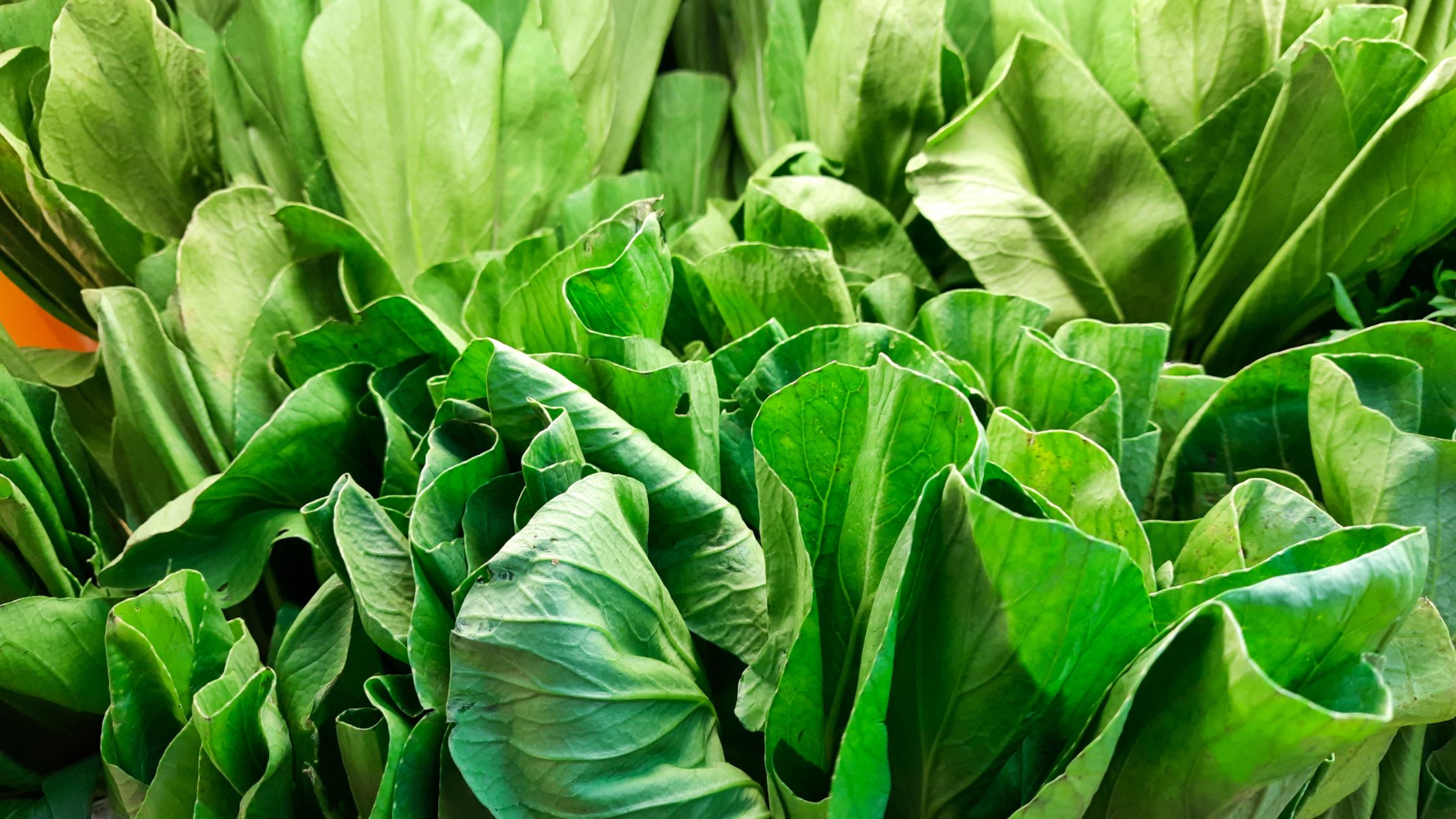
Mustard Greens
Mustard greens, botanically classified as Brassica juncea, are leafy vegetables known for their peppery flavor and nutritional richness. These greens have been consumed for centuries and are cherished not only for their culinary uses but also for their potential health benefits. From traditional eastern medicine to modern western cuisine, mustard greens hold a significant place due to their diverse applications and health-promoting properties.
History
Mustard greens have a long history of cultivation and consumption, dating back to ancient times. Originating in the Himalayan region of India, they spread across Asia and Europe, eventually becoming popular worldwide. Historically, mustard greens were valued not only as a food source but also for their medicinal properties. Ancient Greeks and Romans used mustard greens both in cooking and as remedies for various ailments.
Health Benefits
The health benefits of mustard greens are largely attributed to their rich nutritional profile, which includes an array of vitamins, minerals, and phytochemicals. Notably, mustard greens contain glucosinolates, sulfur-containing compounds responsible for their distinctive pungent flavor. When these greens are chewed or chopped, glucosinolates are converted into biologically active compounds such as isothiocyanates, which have been studied for their potential anticancer and antioxidant properties. Mustard greens are particularly high in antioxidants, including vitamins C and A, as well as flavonoids, which help protect cells from oxidative damage caused by free radicals.
Additionally, the compounds found in mustard greens may possess anti-inflammatory effects, potentially benefiting individuals with conditions such as arthritis and inflammatory bowel disease. Their high fiber and potassium content also contribute to heart health by lowering cholesterol levels and regulating blood pressure. Furthermore, research indicates that the isothiocyanates in mustard greens may inhibit the growth of cancer cells and reduce the risk of certain cancers, including lung, breast, and colon cancer.
Commonly used in Asian, African, and American cuisines, they can be enjoyed both raw and cooked. In salads, they add a spicy kick, while in stir-fries and soups, they contribute a hearty texture and flavor. Cooking methods such as steaming and sautéing can enhance their health benefits, as these techniques improve the bioavailability of certain nutrients while preserving their vibrant taste.
Additionally, mustard greens can be pickled or salted, which not only extends their shelf life but also alters their flavor profile, making them a popular choice in preserved dishes.
Precautions and Possible Side Effects
While mustard greens are packed with health benefits, individuals with specific health conditions should exercise caution when consuming them. Those with thyroid disorders, particularly hypothyroidism, should moderate their intake of cruciferous vegetables, including mustard greens, due to their goitrogenic properties, which can disrupt thyroid function. Although mustard greens are generally safe for most people when consumed in moderation, some may experience digestive discomfort, such as gas or bloating, as a result of their high fiber content. Allergic reactions to mustard greens are rare but can occur in individuals sensitive to mustard or other members of the Brassica family. Additionally, mustard greens may interact with certain medications, especially blood thinners like warfarin, due to their high vitamin K content; therefore, individuals on such medications should consult their healthcare provider before making significant changes to their intake of vitamin K-rich foods.
In both traditional Eastern and Western culinary practices, mustard greens are recognized for their unique properties and benefits. In Traditional Chinese Medicine (TCM), mustard greens are associated with the Lung and Large Intestine meridians, where they are believed to stimulate digestion, detoxify the body, and promote circulation, offering cooling and detoxifying effects on these organ systems. This association underscores their role in balancing the body’s energy and enhancing overall health and vitality.
Conversely, in Western cuisine, mustard greens are celebrated for their peppery flavor and nutritional density, making them a popular ingredient in a variety of dishes, including salads, sandwiches, soups, and casseroles, where they contribute a distinctively tangy and spicy taste.
Final Thoughts
Mustard greens are a powerhouse of nutrition and health benefits, offering a range of vitamins, minerals, and bioactive compounds that support overall well-being. With their rich history and applications in both eastern and western traditions, these leafy greens have proven to be a versatile addition to any diet. While generally safe, individuals with specific health conditions or dietary restrictions should consume them mindfully. By incorporating mustard greens into your meals, you can enjoy their distinct flavor while reaping their numerous health-promoting properties.
Bassan, P., Bhushan, S., Kaur, T., Arora, R., Arora, S., & Vig, A. (2018). Extraction, profiling and bioactivity analysis of volatile glucosinolates present in oil extract of brassica juncea var. raya. Physiology and Molecular Biology of Plants, 24(3), 399-409. https://doi.org/10.1007/s12298-018-0509-4
Bidara, I. (2024). Growth response of mustard greens (brassica juncea l.) to nutrient formulations in hydroponic media. Iop Conference Series Earth and Environmental Science, 1362(1), 012052. https://doi.org/10.1088/1755-1315/1362/1/012052
Dubey, D., Sharma, A., Agrawal, K., Singh, M., Sanduja, M., Snehi, V., … & Kulshreshtha, M. (2023). Scientific update on the pharmacognostic and pharmacological properties of brassica juncea. Free Radicals and Antioxidants, 13(1), 03-09. https://doi.org/10.5530/fra.2023.1.2
Palliyaguru, D., Yuan, J., Kensler, T., & Fahey, J. (2018). Isothiocyanates: translating the power of plants to people. Molecular Nutrition & Food Research, 62(18). https://doi.org/10.1002/mnfr.201700965
Thomas, J., Kuruvilla, K., & Hrideek, T. (2012). Mustard., 388-398. https://doi.org/10.1533/9780857095671.388
Tian, Y. and Deng, F. (2020). Phytochemistry and biological activity of mustard (brassica juncea): a review. Cyta – Journal of Food, 18(1), 704-718. https://doi.org/10.1080/19476337.2020.1833988
MyFoodData. (n.d.). Mustard greens nutrition facts and health benefits. Retrieved December 18, 2024, from https://tools.myfooddata.com/nutrition-facts/2709606/wt2/1
Medical Disclaimer
The information provided in this document is intended for educational and informational purposes only and should not be construed as medical advice, diagnosis, or treatment. It is essential to consult a qualified healthcare professional for any medical concerns or conditions. The content herein does not substitute for professional medical advice, and individuals should not disregard or delay seeking medical advice based on the information provided.
The authors and publishers of this document do not assume any responsibility for any adverse effects or consequences resulting from the use or application of the information contained herein. The reader is encouraged to conduct their own research and consult with healthcare providers to make informed decisions regarding their health and treatment options. Furthermore, the information presented may not reflect the most current research or medical guidelines, as medical knowledge is continually evolving. Therefore, it is imperative to verify the information with up-to-date, peer-reviewed sources and consult with medical professionals for personalized advice.