
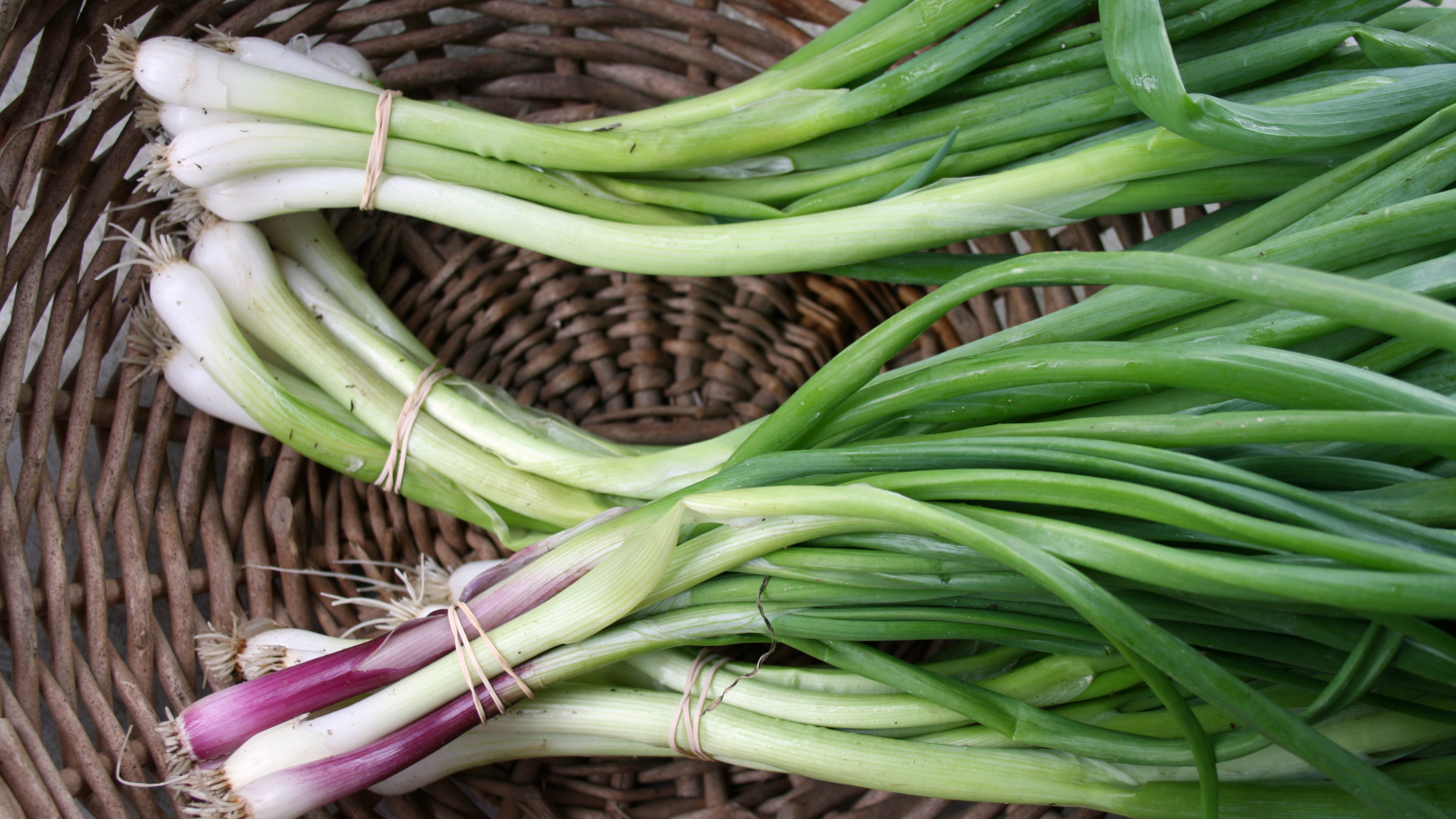
Scallions
Scallions, also known as green onions or spring onions, are a popular vegetable in cuisines around the world. With their mild onion flavor and vibrant green color, scallions not only enhance the taste of dishes but also offer numerous health benefits. From Eastern medicine practices to Western culinary delights, scallions have earned a well-deserved reputation for their versatility and nutritional value.
History
Scallions have a rich history that dates back thousands of years. Originating in Asia, they have been cultivated and consumed for centuries in countries like China, Japan, and Korea. Ancient Egyptians and Romans also valued scallions for their culinary and medicinal properties. Over time, scallions spread to other parts of the world through trade routes, becoming a staple ingredient in various cuisines.
Health Benefits
The health benefits of scallions stem from their unique blend of vitamins, minerals, and phytochemicals, which contribute to overall well-being. Notably, scallions are rich in sulfur compounds, such as allyl sulfides, known for their antioxidant and anti-inflammatory properties, which may help mitigate the risk of chronic diseases. Their antioxidant capacity is further enhanced by the presence of flavonoids and vitamin C, both of which play a crucial role in neutralizing harmful free radicals in the body, thereby reducing oxidative stress and lowering the likelihood of chronic conditions like heart disease and cancer.
Additionally, scallions are beneficial for digestive health due to their fiber content, which promotes regular bowel movements and helps prevent constipation. They also contain prebiotic compounds that nourish beneficial gut bacteria, supporting a healthy microbiome. Furthermore, the high concentration of vitamin C in scallions strengthens the immune system, enabling the body to better combat infections and illnesses, while also aiding in collagen production, which is essential for maintaining healthy skin and facilitating wound healing.
Scallions play a significant role in culinary practices across various cuisines due to their mild onion flavor and vibrant color. They are commonly used as a flavoring agent and garnish in a wide array of dishes, including salads, soups, stir-fries, and omelets, enhancing both taste and visual appeal. The versatility of scallions allows them to be incorporated into both raw and cooked preparations, where they can add a fresh, aromatic quality to meals.
While scallions are widely recognized for their numerous health benefits, it is important for individuals with specific medical conditions or allergies to approach their consumption with caution. Those who have a known allergy to onions may also experience allergic reactions to scallions, given their close botanical relationship. Furthermore, individuals suffering from gastroesophageal reflux disease (GERD) or irritable bowel syndrome (IBS) might find that consuming raw scallions exacerbates their symptoms, leading to discomfort.
Although scallions are generally safe for most people, excessive intake can lead to certain side effects, particularly gastrointestinal distress, which may manifest as bloating, gas, or stomach upset in sensitive individuals. Additionally, allergic reactions can occur in some people, especially those with pre-existing allergies to onions or other allium vegetables. It is also worth noting that scallions may interact with certain medications or health conditions; for instance, individuals taking blood-thinning medications should consume scallions in moderation due to their vitamin K content, which can affect blood clotting. Moreover, those undergoing chemotherapy are advised to consult their healthcare provider before consuming large quantities of scallions, as they may potentially interfere with cancer treatment.
In Eastern medicine, particularly within the framework of Traditional Chinese Medicine (TCM), scallions are esteemed not only for their culinary versatility but also for their therapeutic benefits. TCM practitioners regard scallions as possessing a warming effect on the body, linking them specifically to the lung and stomach meridians. This association underlines their use in treating various ailments, including coughs, colds, and digestive disorders, where they are believed to help alleviate symptoms related to respiratory issues and enhance digestive health.
Conversely, in Western cuisine, scallions are predominantly utilized as a flavoring agent and garnish, finding their way into a multitude of dishes such as salads, soups, stir-fries, and omelets. Their mild onion flavor and vibrant green color not only elevate the taste of recipes but also contribute to the visual appeal of the dishes, making them a popular choice among chefs and home cooks alike. The dual appreciation of scallions in both Eastern and Western culinary traditions underscores their versatility and significance in enhancing both health and flavor.
Final Thoughts
Scallions are a remarkable example of a food that bridges culinary enjoyment and health benefits. Their rich nutritional profile, combined with their medicinal properties recognized in both Eastern and Western traditions, underscores their significance as a functional food. As research continues to uncover the health-promoting effects of scallions, they remain a valuable addition to a balanced diet, offering both flavor and nutrition.
Beigoli, S., Behrouz, S., Memarzia, A., Ghasemi, S., Boskabady, M., Marefati, N., … & Boskabady, M. (2021). Effects of allium cepa and its constituents on respiratory and allergic disorders: a comprehensive review of experimental and clinical evidence. Evidence-Based Complementary and Alternative Medicine, 2021, 1-22. https://doi.org/10.1155/2021/5554259
Selkar, R. and Rajput, D. (2020). Immunomodulator dietary foods as a promising preventive tool against infectious diseases such as covid-19. International Journal of Research in Pharmaceutical Sciences, 11(SPL1), 1411-1415. https://doi.org/10.26452/ijrps.v11ispl1.3673
Xu, L., Wang, J., Zhao, S., Zhang, J., Xiong, K., Cai, J., … & Ma, A. (2020). Increased vegetable and fruit intake is associated with reduced failure rate of tuberculosis treatment: a hospital-based cohort study in china. British Journal of Nutrition, 125(8), 926-933. https://doi.org/10.1017/s0007114520003438
MyFoodData. (n.d.). *Nutrition facts for scallions (green onions)*. Retrieved January 6, 2025, from https://tools.myfooddata.com/nutrition-facts/2709794/wt2/1
Medical Disclaimer
The information provided in this document is intended for educational and informational purposes only and should not be construed as medical advice, diagnosis, or treatment. It is essential to consult a qualified healthcare professional for any medical concerns or conditions. The content herein does not substitute for professional medical advice, and individuals should not disregard or delay seeking medical advice based on the information provided.
The authors and publishers of this document do not assume any responsibility for any adverse effects or consequences resulting from the use or application of the information contained herein. The reader is encouraged to conduct their own research and consult with healthcare providers to make informed decisions regarding their health and treatment options. Furthermore, the information presented may not reflect the most current research or medical guidelines, as medical knowledge is continually evolving. Therefore, it is imperative to verify the information with up-to-date, peer-reviewed sources and consult with medical professionals for personalized advice.