
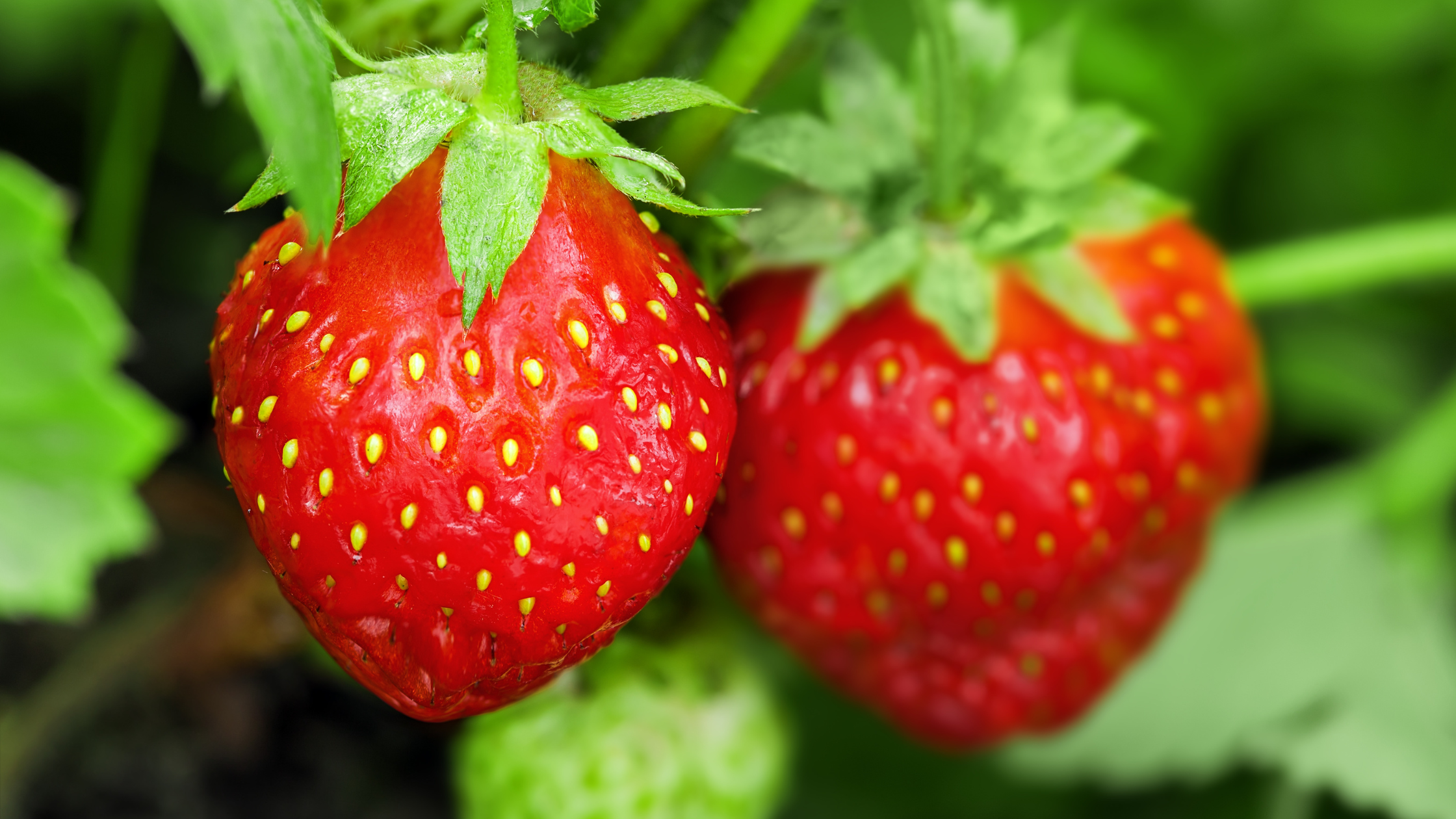
Strawberries
The strawberry, known scientifically as Fragaria x ananassa, is a delectable fruit celebrated for its vibrant color, succulent taste, and myriad health benefits. Revered across cultures for centuries, this fruit has found its way into various cuisines, desserts, and medicinal concoctions. Beyond its delightful flavor, strawberries boast a rich array of nutrients, making them not only a tasty treat but also a valuable addition to a healthy diet.
History
Strawberries have a long and illustrious history, with evidence of their consumption dating back to ancient times. Native to temperate regions, particularly Europe and North America, wild strawberries were cherished by indigenous peoples for their flavor and purported medicinal properties. The cultivation of strawberries began in the 15th century, with the first garden strawberry species originating in France. During the Renaissance period, strawberries gained popularity among European nobility, symbolizing luxury and decadence. Their cultivation spread rapidly across Europe and eventually to North America, where they became a staple crop.
Health Benefits
The health benefits of strawberries are largely attributed to their rich composition of phytochemicals, including flavonoids, phenolic acids, and antioxidants such as vitamin C and manganese. These compounds possess powerful antioxidant and anti-inflammatory properties, which help protect cells from oxidative stress and lower the risk of chronic diseases. Notably, strawberries contain ellagic acid, a polyphenol recognized for its anticancer effects, which has been shown to inhibit cancer cell growth and promote apoptosis, or programmed cell death, in various cancer types. The high antioxidant content of strawberries plays a crucial role in combating oxidative stress, thereby reducing the risk of chronic conditions such as heart disease, diabetes, and cancer.
Furthermore, regular consumption of strawberries is associated with improved heart health, as they can lower blood pressure, reduce inflammation, and enhance cholesterol levels. The flavonoids found in strawberries are also linked to better cognitive function and a decreased risk of age-related cognitive decline. Additionally, the vitamin C and ellagic acid in strawberries contribute to skin health by promoting collagen production, which helps maintain healthier skin and reduces the likelihood of wrinkles and skin damage. Lastly, strawberries are low in calories and high in fiber, making them a satisfying snack that can aid in weight management by promoting feelings of fullness and reducing overall calorie intake.
Strawberries are a versatile ingredient in culinary applications, celebrated for their sweet and tangy flavor, vibrant color, and appealing texture. They can be enjoyed fresh, added to salads, or blended into smoothies, providing a refreshing taste and nutritional boost. In desserts, strawberries are commonly used in pies, cakes, and tarts, where they can be featured as a main ingredient or as a garnish. Their natural sweetness makes them an excellent choice for jams and jellies, while their juice can be incorporated into beverages, cocktails, and sauces. Additionally, strawberries can be used in savory dishes, complementing flavors in salads and salsas.
Precautions and Possible Side Effects
Strawberries are generally safe for consumption; however, individuals with a known allergy to this fruit should avoid it to prevent allergic reactions, which can range from mild symptoms such as itching and swelling to severe cases of anaphylaxis. Additionally, consuming large quantities of strawberries may lead to gastrointestinal discomfort for some individuals due to their fiber content. It is also important to note that strawberries can interact with certain medications, particularly blood thinners owing to their vitamin K content. Therefore, individuals taking such medications should consult their healthcare provider before significantly increasing their intake of strawberries.
In traditional Eastern medicine, strawberries are regarded for their cooling properties and are utilized to alleviate heat-related conditions such as inflammation, fever, and sore throat. They are also thought to promote blood circulation and aid in detoxification. In Western herbalism, strawberries are employed in various forms, including teas, tinctures, and extracts, to support cardiovascular health, enhance digestion, and improve skin health.
Notably, strawberry leaf tea is often consumed during pregnancy to strengthen the uterus and ease labor pains. Within the framework of traditional Chinese medicine (TCM), strawberries are linked to the Lung and Stomach meridians, where they are believed to clear heat, moisten dryness, and promote the production of body fluids, further emphasizing their therapeutic potential across different medicinal traditions.
The strawberry stands as a symbol of sweetness, health, and vitality, offering a tantalizing blend of flavor and nutrition. From its ancient origins to its modern-day prominence, this humble fruit continues to captivate palates and nourish bodies around the world. Whether enjoyed fresh, frozen, or in various culinary creations, strawberries are a delightful addition to any diet, providing a wealth of health benefits and culinary versatility.
Afrin, S., Gasparrini, M., Forbes-Hernández, T., Reboredo‐Rodríguez, P., Mezzetti, B., Varela-López, A., … & Battino, M. (2016). Promising health benefits of the strawberry: a focus on clinical studies. Journal of Agricultural and Food Chemistry, 64(22), 4435-4449. https://doi.org/10.1021/acs.jafc.6b00857
Basu, A., Nguyen, A., Betts, N., & Lyons, T. (2013). Strawberry as a functional food: an evidence-based review. Critical Reviews in Food Science and Nutrition, 54(6), 790-806. https://doi.org/10.1080/10408398.2011.608174
El‐Hawary, S., Mohammed, R., El-Din, M., Hassan, H., Ali, Z., Rateb, M., … & Abdelmohsen, U. (2021). Comparative phytochemical analysis of five egyptian strawberry cultivars (fragaria×ananassaduch.) and antidiabetic potential of festival and red merlin cultivars. RSC Advances, 11(27), 16755-16767. https://doi.org/10.1039/d0ra10748d
Fredericks, C., Fanning, K., Gidley, M., Netzel, G., Zabaras, D., Herrington, M., … & Netzel, M. (2012). High‐anthocyanin strawberries through cultivar selection. Journal of the Science of Food and Agriculture, 93(4), 846-852. https://doi.org/10.1002/jsfa.5806
Giampieri, F., Forbes-Hernández, T., Gasparrini, M., Álvarez-Suarez, J., Afrin, S., Bompadre, S., … & Battino, M. (2015). Strawberry as a health promoter: an evidence based review. Food & Function, 6(5), 1386-1398. https://doi.org/10.1039/c5fo00147a
Ikram, S., Abassi, U., & Khalid, N. (2019). Strawberry (fragaria ananassa duch): phytochemicals, nutraceuticals and health benefits. a brief review. World Journal of Biology and Biotechnology, 4(3), 25. https://doi.org/10.33865/wjb.004.03.0236
MyFoodData. (n.d.). *Nutrition facts for strawberries (Fragaria x ananassa)*. Retrieved January 6, 2025, from https://tools.myfooddata.com/nutrition-facts/2709283/wt2/1
Medical Disclaimer
The information provided in this document is intended for educational and informational purposes only and should not be construed as medical advice, diagnosis, or treatment. It is essential to consult a qualified healthcare professional for any medical concerns or conditions. The content herein does not substitute for professional medical advice, and individuals should not disregard or delay seeking medical advice based on the information provided.
The authors and publishers of this document do not assume any responsibility for any adverse effects or consequences resulting from the use or application of the information contained herein. The reader is encouraged to conduct their own research and consult with healthcare providers to make informed decisions regarding their health and treatment options. Furthermore, the information presented may not reflect the most current research or medical guidelines, as medical knowledge is continually evolving. Therefore, it is imperative to verify the information with up-to-date, peer-reviewed sources and consult with medical professionals for personalized advice.