
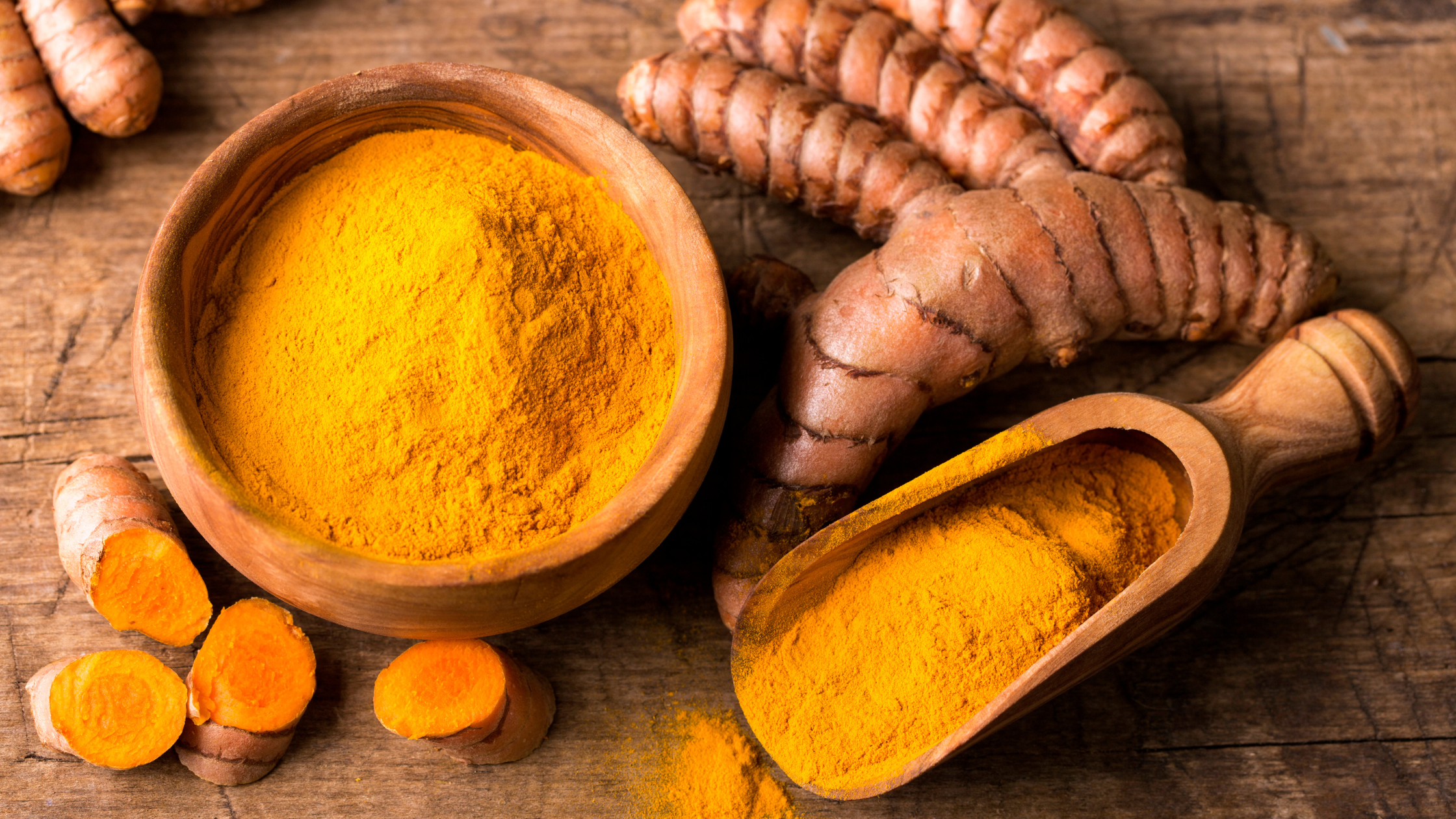
Turmeric
Turmeric, also known as Curcuma longa, has been revered for centuries for its vibrant color, distinct flavor, and remarkable medicinal properties. This golden spice, a staple in Indian cuisine and traditional medicine, has gained global popularity for its potential health benefits. From its historical roots to its modern applications, turmeric continues to captivate researchers and health enthusiasts alike.
History
The use of turmeric dates back over 4,000 years, originating in ancient India. Initially cultivated for its culinary uses, turmeric soon found its place in Ayurvedic medicine, where it was cherished for its therapeutic properties. Over time, turmeric spread to other regions of Asia, including China and the Middle East, where it became an integral component of traditional healing practices. Turmeric’s journey from the spice markets of South Asia to the shelves of health food stores worldwide is a testament to its enduring legacy.
Health Benefits
The active compound in turmeric, curcumin, is primarily responsible for its medicinal effects, functioning as a potent antioxidant and anti-inflammatory agent that influences multiple biological pathways. Notably, curcumin targets the NF-kB pathway, which plays a crucial role in regulating inflammation, and the PI3K/Akt pathway, which is integral to cell survival and proliferation. Furthermore, curcumin modulates various enzymes and cytokines that are essential for immune function and tissue repair, establishing it as a versatile therapeutic agent. Its anti-inflammatory effects can alleviate symptoms associated with conditions such as arthritis and inflammatory bowel disease.
Additionally, curcumin acts as an antioxidant, scavenging free radicals and protecting against oxidative stress, which is linked to aging and chronic diseases, including cancer and neurodegenerative disorders. Turmeric may also provide pain relief and enhance mobility for individuals suffering from osteoarthritis and rheumatoid arthritis. In terms of digestive health, turmeric aids digestion by stimulating bile production and promoting gut motility, potentially alleviating symptoms of indigestion. Lastly, curcumin contributes to cardiovascular health by reducing cholesterol levels, improving endothelial function, and inhibiting platelet aggregation.
Turmeric, derived from the rhizome of the Curcuma longa plant, is widely used in culinary applications due to its vibrant color and distinctive flavor. It is a staple spice in many cuisines, particularly in Indian cooking, where it is a key ingredient in curries and various dishes, imparting a warm, earthy taste and a golden hue. Beyond its flavor, turmeric is valued for its potential health benefits, attributed mainly to its active compound, curcumin, which possesses antioxidant and anti-inflammatory properties. The spice can be used in various forms, including fresh, dried, and powdered, and is often incorporated into rice dishes, soups, and marinades. Additionally, turmeric’s versatility extends to beverages, where it is commonly added to teas and smoothies, enhancing both taste and nutritional value.
Turmeric is generally regarded as safe for most individuals when consumed in culinary amounts; however, high doses or prolonged use may lead to gastrointestinal upset and other adverse effects. People with gallbladder disease, bleeding disorders, or those taking blood-thinning medications should exercise caution when using turmeric supplements due to its potential anticoagulant properties. While turmeric is typically well-tolerated, some individuals may experience side effects such as nausea, diarrhea, or allergic reactions. High doses of turmeric can also interact with certain medications or exacerbate existing health conditions, making it advisable to consult a healthcare professional before using turmeric supplements, particularly in high doses or for extended periods. Turmeric may interact with medications such as blood thinners, diabetes medications, and drugs that reduce stomach acid, and it may enhance the effects of other herbs and supplements with similar properties, such as ginger or garlic. Therefore, individuals taking medications or supplements should consult their healthcare provider to avoid potential interactions.
Turmeric has been utilized in Eastern medicine for thousands of years to address a variety of ailments, ranging from digestive disorders to inflammatory conditions. In Ayurveda, it is regarded as a warming herb that helps balance the body’s doshas, thereby promoting overall health and vitality.
Similarly, Traditional Chinese Medicine (TCM) recognizes turmeric’s influence on the Liver and Stomach meridians, attributing to it warming and dispersing properties that aid in alleviating stagnation and enhancing the circulation of Qi and Blood. In Western medicine, turmeric has garnered attention for its anti-inflammatory and antioxidant effects, prompting extensive research into its potential therapeutic applications. Although further clinical trials are necessary to fully understand its efficacy, turmeric shows promise as a natural remedy for various chronic diseases and health conditions.
Turmeric, with its rich history and potent medicinal properties, continues to captivate the imagination of scientists, health enthusiasts, and culinary aficionados worldwide. From its humble origins in ancient India to its current status as a superfood superstar, turmeric’s journey is a testament to the enduring power of nature’s remedies. As research into its therapeutic potential expands, turmeric stands poised to revolutionize the way we approach health and wellness for generations to come.
(2023). Effect of turmeric herbal on polycystic ovary syndrome: a systematic review. International Journal of Current Science Research and Review, 06(09). https://doi.org/10.47191/ijcsrr/v6-i9-37
El‐Saadony, M., Yang, T., Korma, S., Sitohy, M., El–Mageed, T., Selim, S., … & Saad, A. (2023). Impacts of turmeric and its principal bioactive curcumin on human health: pharmaceutical, medicinal, and food applications: a comprehensive review. Frontiers in Nutrition, 9. https://doi.org/10.3389/fnut.2022.1040259
Fadus, M., Lau, C., Bikhchandani, J., & Lynch, H. (2017). Curcumin: an age-old anti-inflammatory and anti-neoplastic agent. Journal of Traditional and Complementary Medicine, 7(3), 339-346. https://doi.org/10.1016/j.jtcme.2016.08.002
Funk, J., Oyarzo, J., Frye, J., Chen, G., Lantz, R., Jolad, S., … & Timmermann, B. (2006). Turmeric extracts containing curcuminoids prevent experimental rheumatoid arthritis. Journal of Natural Products, 69(3), 351-355. https://doi.org/10.1021/np050327j
Hatcher, H., Planalp, R., Cho, J., Torti, F., & Torti, S. (2008). Curcumin: from ancient medicine to current clinical trials. Cellular and Molecular Life Sciences, 65(11), 1631-1652. https://doi.org/10.1007/s00018-008-7452-4
He, Q., Jiang, L., Man, S., Wu, L., Y, H., & Chen, W. (2018). Curcumin reduces neuronal loss and inhibits the nlrp3 inflammasome activation in an epileptic rat model. Current Neurovascular Research, 15(3), 186-192. https://doi.org/10.2174/1567202615666180731100224
Kim, J., Gupta, S., Park, B., Yadav, V., & Aggarwal, B. (2011). Turmeric (curcuma longa) inhibits inflammatory nuclear factor (nf)‐κb and nf‐κb‐regulated gene products and induces death receptors leading to suppressed proliferation, induced chemosensitization, and suppressed osteoclastogenesis. Molecular Nutrition & Food Research, 56(3), 454-465. https://doi.org/10.1002/mnfr.201100270
Sharma, R., Steward, W., & Gescher, A. (2007). Pharmacokinetics and pharmacodynamics of curcumin., 453-470. https://doi.org/10.1007/978-0-387-46401-5_20
Vaughn, A., Branum, A., & Sivamani, R. (2016). Effects of turmeric (curcuma longa) on skin health: a systematic review of the clinical evidence. Phytotherapy Research, 30(8), 1243-1264. https://doi.org/10.1002/ptr.5640
Wang, K., Fan, H., Qing-sen, C., Ma, G., Zhu, M., Zhang, X., … & Yu, J. (2015). Curcumin inhibits aerobic glycolysis and induces mitochondrial-mediated apoptosis through hexokinase ii in human colorectal cancer cells in vitro. Anti-Cancer Drugs, 26(1), 15-24. https://doi.org/10.1097/cad.0000000000000132
Zhang, H. and Kitts, D. (2021). Turmeric and its bioactive constituents trigger cell signaling mechanisms that protect against diabetes and cardiovascular diseases. Molecular and Cellular Biochemistry, 476(10), 3785-3814. https://doi.org/10.1007/s11010-021-04201-6
MyFoodData. (n.d.). *Nutrition facts for turmeric (Curcuma longa)*. Retrieved January 7, 2025from https://tools.myfooddata.com/nutrition-facts/172231/wt1/1
Medical Disclaimer
The information provided in this document is intended for educational and informational purposes only and should not be construed as medical advice, diagnosis, or treatment. It is essential to consult a qualified healthcare professional for any medical concerns or conditions. The content herein does not substitute for professional medical advice, and individuals should not disregard or delay seeking medical advice based on the information provided.
The authors and publishers of this document do not assume any responsibility for any adverse effects or consequences resulting from the use or application of the information contained herein. The reader is encouraged to conduct their own research and consult with healthcare providers to make informed decisions regarding their health and treatment options. Furthermore, the information presented may not reflect the most current research or medical guidelines, as medical knowledge is continually evolving. Therefore, it is imperative to verify the information with up-to-date, peer-reviewed sources and consult with medical professionals for personalized advice.