
Harmful Foods and Ingredients
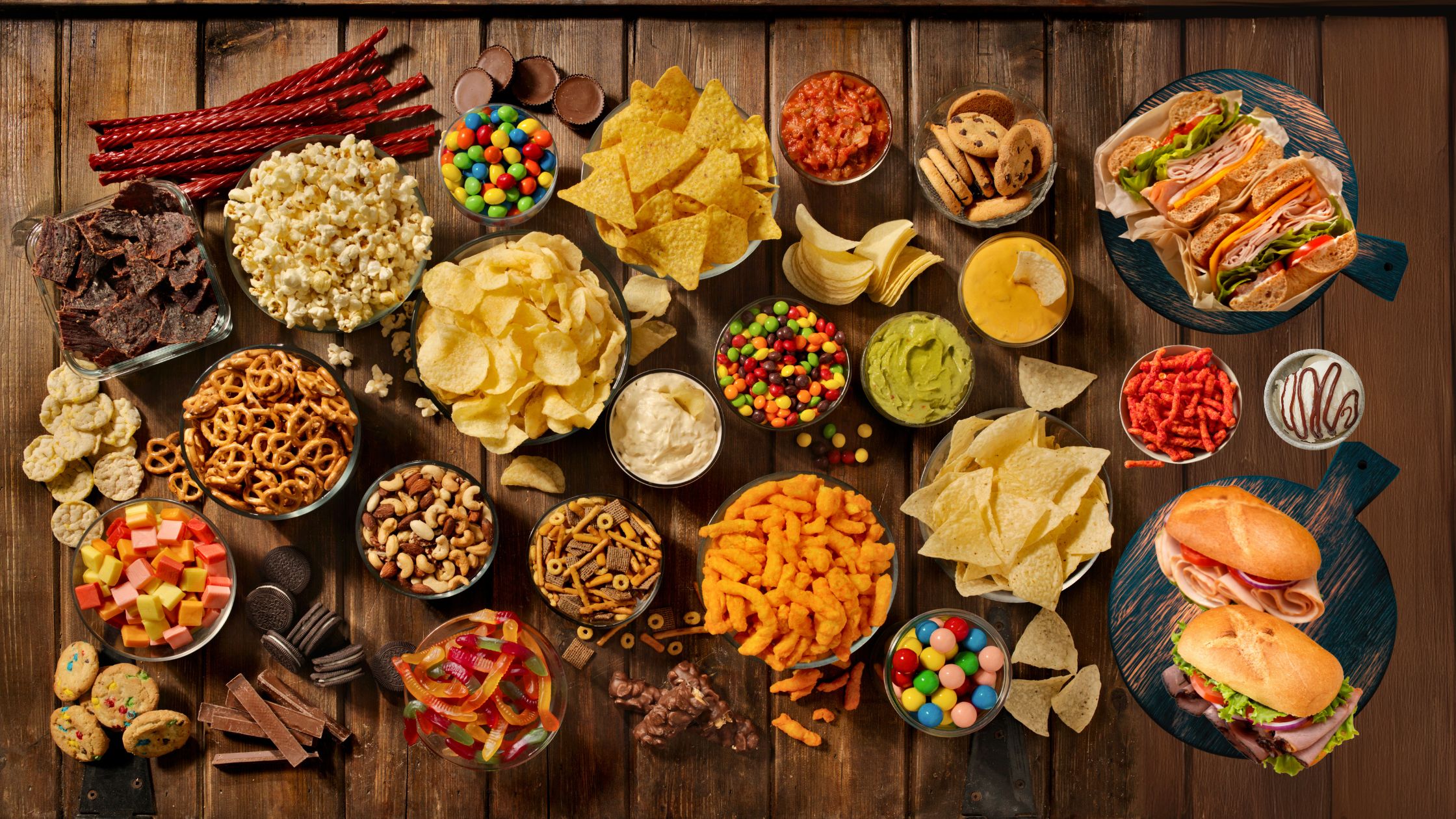
The modern food landscape is increasingly characterized by the prevalence of ultra-processed foods, which are often laden with harmful ingredients that pose significant health risks. This article aims to delve into various components of the contemporary diet that are detrimental to health, including ultra-processed foods, sugar, trans fats, E-numbers, sodium, fillers, GMOs, glyphosates, pesticides, artificial sweeteners, seed oils, food industry marketing practices, and socioeconomic factors.Each of these components has been linked to adverse health outcomes, warranting a comprehensive examination.
Ultra-Processed Foods: A Major Health Concern
Ultra-processed foods (UPFs) are defined as industrial formulations that contain little or no whole foods and are typically high in added sugars, unhealthy fats, and salt. Research has consistently shown that the consumption of UPFs is associated with a range of health issues, including obesity, cardiovascular diseases, and diabetes. For instance, a study conducted in Tunisia found that UPFs were the primary sources of total fat and trans-fatty acids among children, indicating a direct link between these foods and poor dietary quality (Dogui et al., 2021). In addition, a prospective cohort study in France demonstrated that higher UPF intake significantly increased the risk of cardiovascular disease, with each additional serving correlating with a 9% increase in mortality risk (Lopes, 2023).
The detrimental effects of UPFs extend beyond physical health; they also impact mental well-being. A study highlighted the association between high UPF consumption and symptoms of anxiety and depression, suggesting that diets rich in these foods may contribute to poor mental health outcomes (Srour et al., 2019). The low nutrient density of UPFs often leads to a displacement of healthier food options, such as fruits and vegetables, further exacerbating health risks (Coletro et al., 2022).
Sugar: The Sweet Dangers
Sugars, particularly added sugars, are significant contributors to various health issues, including obesity, type 2 diabetes, and cardiovascular diseases. Among the various sources of added sugars, sugar-sweetened beverages (SSBs) are particularly concerning due to their high sugar content and widespread consumption. Research indicates that a high intake of SSBs is linked to an increased risk of developing type 2 diabetes and cardiovascular diseases. For instance, individuals who derive more than 10% of their daily caloric intake from added sugars face a heightened risk of mortality related to cardiovascular conditions (Nansel et al., 2022; Steele et al., 2016).
To mitigate these health risks, the World Health Organization (WHO) recommends that added sugars should constitute less than 10% of total energy intake (Edalati et al., 2020). This guideline aims to reduce the prevalence of obesity and associated metabolic disorders. A systematic review has further established a correlation between high sugar consumption and increased rates of dental caries, obesity, and other metabolic disorders (Elizabeth et al., 2020).
Common types of sugars found in the diet include sucrose, fructose, and glucose, which are prevalent in processed foods, candies, and beverages (Rauber et al., 2018). The pervasive presence of these sugars in everyday foods underscores the importance of monitoring and regulating sugar intake to promote better health outcomes.
Trans Fats
Trans fats, primarily found in partially hydrogenated oils, are widely recognized for their detrimental effects on cardiovascular health. These fats are notorious for raising low-density lipoprotein (LDL) cholesterol levels while simultaneously lowering high-density lipoprotein (HDL) cholesterol levels, which significantly increases the risk of heart disease (Yang et al., 2014). The consumption of trans fats has also been associated with various other health issues, including inflammation and insulin resistance (Breda et al., 2018).
Trans fats are commonly present in many processed foods, including margarine, snack foods, and baked goods. Their prevalence in these products has led to heightened concerns regarding public health. Studies have shown that the intake of trans fats is linked to an increased risk of coronary heart disease and other cardiovascular conditions due to their adverse effects on cholesterol profiles (Emmerik et al., 2020). In response to the growing body of evidence regarding their harmful impact, the World Health Organization has advocated for the elimination of trans fats from the global food supply, emphasizing the urgent need for regulatory measures to protect public health (Valentim, 2024).
The presence of artificial additives, commonly referred to as E-numbers, raises significant health concerns among consumers and health professionals alike. Many of these additives, including specific colorings and preservatives, have been linked to adverse health effects, such as allergic reactions and increased hyperactivity in children (Osten & Dzul-Caamal, 2017). For instance, certain artificial colorants, such as tartrazine (E102) and sunset yellow (E110), have been implicated in behavioral issues, prompting calls for stricter regulations and labeling requirements. The long-term effects of these additives continue to be a subject of ongoing research and debate, as the cumulative impact of consuming multiple additives from various sources is not yet fully understood.
The E-number system categorizes food additives based on their function and safety, providing a standardized method for identifying these substances in food products. Additives are utilized to enhance the quality, appearance, and shelf life of foods, ensuring that products remain appealing and safe for consumption over time.
[/et_pb_text][/et_pb_column][et_pb_column type=”1_2″ _builder_version=”4.27.4″ _module_preset=”default” global_colors_info=”{}”][et_pb_text _builder_version=”4.27.4″ _module_preset=”default” text_text_color=”#000000″ text_font_size=”17px” custom_padding=”0px|||||” hover_enabled=”0″ global_colors_info=”{}” sticky_enabled=”0″]This classification system aids consumers and regulatory bodies in understanding the purpose and safety of food additives, facilitating informed choices regarding food consumption. However, despite the regulatory oversight, concerns persist regarding the potential health risks associated with long-term exposure to these additives, highlighting the need for ongoing research and public education on the implications of artificial additives in the diet.
Below are the primary categories of E-numbers:
- E100-199 = colorings
- E200-299 = preservatives
- E300-399 = antioxidants & acidity regulators
- E400-499 = thickeners, stabilizers & emulsifiers
- E500-599 = acidity regulators & anti-caking agents
- E600-699 = flavor enhancers
- E700-799 = antibiotics
- E900-999 = glazing agents, gases & sweeteners
- E1000-1599 = additional additives
Sodium: The Silent Killer
Excessive sodium intake is a critical health concern, primarily due to its strong association with hypertension and cardiovascular diseases. High sodium consumption is prevalent in modern diets, particularly due to the widespread use of processed and ultra-processed foods, which often contain significant amounts of added salt. These foods make it challenging for individuals to maintain a healthy sodium intake level, as many are unaware of the hidden sodium content in their meals. Studies have consistently shown that high sodium consumption is linked to an increased risk of stroke, heart failure, and other cardiovascular conditions, underscoring the urgent need for public health initiatives aimed at reducing sodium levels in processed foods (Azaïs-Braesco et al., 2017).
The physiological effects of excessive sodium intake are well-documented. Sodium plays a crucial role in regulating blood pressure; however, when consumed in excess, it can lead to fluid retention, increased blood volume, and ultimately elevated blood pressure. This condition, known as hypertension, is a significant risk factor for cardiovascular diseases, including heart attacks and strokes. The World Health Organization (WHO) recommends that adults limit their sodium intake to less than 2,000 mg per day to mitigate these risks. However, many individuals exceed this recommendation, often consuming more than 3,400 mg daily, primarily due to the consumption of fast foods, canned soups, and snack foods that are notoriously high in sodium content (He et al., 2013).
Moreover, the health implications of high sodium intake extend beyond cardiovascular issues. Research has indicated that excessive sodium consumption may also contribute to kidney disease, osteoporosis, and stomach cancer. The kidneys play a vital role in filtering excess sodium from the bloodstream; however, prolonged high sodium intake can impair kidney function, leading to chronic kidney disease. High sodium levels can lead to calcium loss through urine, increasing the risk of osteoporosis, particularly in older adults (Sacks et al., 2001).
In light of these health concerns, public health campaigns are increasingly focusing on educating consumers about the dangers of high sodium intake and encouraging them to choose lower-sodium alternatives. Reducing sodium in the diet can be achieved by opting for fresh, whole foods, reading nutrition labels, and using herbs and spices for flavoring instead of salt. By making informed dietary choices, individuals can significantly lower their sodium intake and improve their overall health outcomes
Fillers: Nutritional Deception
Fillers are substances incorporated into processed foods to enhance texture, bulk, and volume without providing significant nutritional value. These ingredients are often utilized to lower production costs while preserving the appearance and palatability of food products. The prevalence of fillers in the food industry has increased, prompting concerns regarding their effects on dietary quality and overall health (Bonaccio et al., 2022; Romero et al., 2021; Julia et al., 2022).
Fillers can be categorized into several types, each serving different purposes in food manufacturing:
-
- Starches: Modified food starches are frequently employed as fillers to enhance texture and stability in products such as sauces, dressings, and baked goods. They also function as thickening agents, contributing a desirable mouthfeel without adding substantial calories (Campos et al., 2011; Dicken, 2024).
- Gums: Various gums, including guar gum, xanthan gum, and carrageenan, are used as thickening and stabilizing agents. These polysaccharides improve the texture of dairy products, salad dressings, and ice creams, rendering them creamier and more appealing (Romero et al., 2021; Deschasaux et al., 2018).
- Cellulose: Sourced from plant cell walls, cellulose is commonly added to processed foods as a bulking agent. It enhances the texture of low-fat products by simulating the mouthfeel of fat and is prevalent in baked goods, dairy products, and snack foods (Almaamari, 2024; Baldridge et al., 2019).
- Protein Isolates: Ingredients like soy protein isolate and whey protein concentrate are often utilized as fillers in protein bars, shakes, and meat substitutes. While they can offer some nutritional benefits, their inclusion may dilute the overall quality of the food product, particularly when they replace whole food ingredients (Kim et al., 2019; Øvrebø, 2023).
- Flours and Meal: Various flours, such as wheat flour, corn flour, and rice flour, are frequently used as fillers in processed foods. They can enhance texture and provide bulk but may also contribute to refined carbohydrate intake, which can have adverse health implications (Deschasaux et al., 2020; Giacobone et al., 2021).
Health Implications
The extensive use of fillers in processed foods raises several health concerns. Many fillers lack essential nutrients and can create a false sense of satiety, leading consumers to underestimate their overall caloric intake. This misperception can contribute to overeating and weight gain, as individuals may consume larger quantities of foods containing fillers instead of opting for more nutrient-dense options (Parra et al., 2019; Bandy et al., 2019).
In addition, fillers can displace healthier ingredients in the diet. For instance, the incorporation of fillers in products like bread or snack foods can diminish the overall fiber content, resulting in diets lower in essential nutrients. This displacement effect can lead to poor dietary quality and increase the risk of chronic diseases such as obesity, diabetes, and cardiovascular conditions (Louzada et al., 2017; Srour et al., 2019).
The utilization of fillers in processed foods is a significant aspect of modern food manufacturing that can compromise nutritional quality. While fillers serve practical purposes in enhancing texture and reducing costs, the health implications of consuming foods high in fillers must not be overlooked. Consumers should be encouraged to scrutinize ingredient labels carefully and prioritize whole, minimally processed foods to ensure a balanced and nutritious diet (Bonilla-Aguilar, 2023; Fernández-Álvarez et al., 2022).
Artificial sweeteners are often marketed as healthier alternatives to sugar, but their safety and health implications remain contentious. While they are low in calories, studies have suggested that artificial sweeteners may disrupt metabolic processes and contribute to weight gain and glucose intolerance (Garrido-Arismendis, 2024). For instance, a meta-analysis indicated that the consumption of artificially sweetened beverages was associated with a higher risk of developing type 2 diabetes (Louzada et al., 2015).
Consumer perceptions of artificial sweeteners are often negative, with many individuals expressing concerns about their potential links to health issues, including cancer (Levine & Levine, 2023). Common artificial sweeteners include aspartame, sucralose, and saccharin, which are frequently found in diet sodas and low-calorie products (Nacano, 2024).
[/et_pb_text][/et_pb_column][et_pb_column type=”1_2″ _builder_version=”4.27.4″ _module_preset=”default” global_colors_info=”{}”][et_pb_image src=”https://www.immortalme.com/wp-content/uploads/2025/02/Screenshot-2025-02-08-231928.png” title_text=”Screenshot 2025-02-08 231928″ _builder_version=”4.27.4″ _module_preset=”default” custom_margin=”2px|||||” border_radii=”on|6px|6px|6px|6px” box_shadow_style=”preset1″ box_shadow_spread=”3px” box_shadow_color=”#84776C” global_colors_info=”{}”][/et_pb_image][/et_pb_column][/et_pb_row][/et_pb_section][et_pb_section fb_built=”1″ _builder_version=”4.27.4″ _module_preset=”default” background_color=”#F2F2F2″ min_height=”1508.1px” custom_margin=”-31px||0px|||” custom_padding=”3px||0px|||” global_colors_info=”{}”][et_pb_row _builder_version=”4.27.4″ _module_preset=”default” custom_padding=”6px|||||” global_colors_info=”{}” custom_margin=”8px|auto||auto||”][et_pb_column type=”4_4″ _builder_version=”4.27.4″ _module_preset=”default” global_colors_info=”{}”][et_pb_text _builder_version=”4.27.4″ _module_preset=”default” text_text_color=”#000000″ text_font_size=”17px” header_2_text_color=”#000000″ global_colors_info=”{}”]Seed Oils: The Controversial Fats
The consumption of seed oils has garnered significant attention due to the potential health risks associated with their production and use. One of the primary concerns is the extraction process, which often involves the use of organic solvents such as hexane. These solvents are not only highly toxic and flammable but can also leave harmful residues in the final product, posing serious health risks to consumers (Barriga-Sánchez et al., 2022; , Hu et al., 2011). The dangers of these solvents extend beyond individual health, as their use contributes to environmental pollution, raising concerns about sustainability and safety in food production (Tacias-Pascacio et al., 2021).
Furthermore, the chemical composition of certain seed oils can present additional health hazards. For instance, oils high in polyunsaturated fatty acids, while often marketed as healthy, can lead to oxidative stress when subjected to high temperatures during cooking. This oxidative degradation can produce harmful compounds that may contribute to various health issues, including inflammation and cardiovascular diseases (Ayouaz et al., 2023). The presence of trans fatty acids, which can form during the hydrogenation process of vegetable oils, has been linked to increased cholesterol levels and a higher risk of heart disease (Hassan et al., 2022).
[/et_pb_text][/et_pb_column][/et_pb_row][et_pb_row _builder_version=”4.27.4″ _module_preset=”default” custom_padding=”5px|||||” global_colors_info=”{}”][et_pb_column type=”4_4″ _builder_version=”4.27.4″ _module_preset=”default” global_colors_info=”{}”][et_pb_image src=”https://www.immortalme.com/wp-content/uploads/2025/02/Screenshot-2025-02-08-232515.png” title_text=”Screenshot 2025-02-08 232515″ _builder_version=”4.27.4″ _module_preset=”default” border_radii=”on|6px|6px|6px|6px” box_shadow_style=”preset1″ box_shadow_spread=”3px” box_shadow_color=”#84776C” global_colors_info=”{}”][/et_pb_image][/et_pb_column][/et_pb_row][et_pb_row column_structure=”1_2,1_2″ _builder_version=”4.27.4″ _module_preset=”default” custom_margin=”-10px|auto|-17px|auto||” custom_padding=”||5px|||” global_colors_info=”{}”][et_pb_column type=”1_2″ _builder_version=”4.27.4″ _module_preset=”default” global_colors_info=”{}”][et_pb_text _builder_version=”4.27.4″ _module_preset=”default” text_text_color=”#000000″ text_font_size=”17px” custom_padding=”||0px|||” hover_enabled=”0″ global_colors_info=”{}” sticky_enabled=”0″]Canola Oil/Rapeseed: Canola oil, derived from rapeseed, contains a significant amount of omega-6 fatty acids. Excessive intake can lead to an imbalance in fatty acid profiles, contributing to inflammation and related health problems (Rahman et al., 2017). The refining process often involves chemical treatments that may leave residues in the oil. Canola oil is relatively stable for cooking; however, prolonged heating can still lead to the breakdown of beneficial nutrients and the formation of trans fats, especially if the oil is hydrogenated (Gaber et al., 2020).
Corn Oil: Corn oil is rich in omega-6 fatty acids, which can contribute to inflammation and other health issues when consumed excessively. The typical American diet often contains too much omega-6 relative to omega-3, leading to potential health risks (Hooper et al., 2019) Corn oil is commonly used for frying due to its high smoke point; however, repeated heating can lead to the degradation of the oil and the formation of harmful compounds, including trans fats and oxidized lipids (Olotu et al., 2014).
Grapeseed Oil: Grapeseed oil is high in omega-6 fatty acids and low in omega-3s, which can promote inflammation and other chronic health issues when consumed in excess (Hooper et al., 2019). The high omega-6 content can lead to an imbalance in the fatty acid profile of the diet. Grapeseed oil is often used for frying due to its high smoke point, but it can oxidize when heated, leading to the formation of harmful compounds that may negatively impact health (Olotu et al., 2014).
[/et_pb_text][/et_pb_column][et_pb_column type=”1_2″ _builder_version=”4.27.4″ _module_preset=”default” global_colors_info=”{}”][et_pb_text _builder_version=”4.27.4″ _module_preset=”default” text_text_color=”#000000″ text_font_size=”17px” custom_padding=”1px|||0px||” hover_enabled=”0″ global_colors_info=”{}” sticky_enabled=”0″]Soybean Oil: Soybean oil is high in omega-6 fatty acids, which can promote inflammation and contribute to chronic diseases when consumed in excess. The typical Western diet is rich in omega-6, leading to an imbalance with omega-3 fatty acids, which is linked to various health issues, including cardiovascular diseases and metabolic disorders. Cooking soybean oil can lead to the formation of harmful compounds due to its high polyunsaturated fat content. When heated, these oils can undergo oxidation, resulting in the production of free radicals and potentially harmful aldehydes (Olotu et al., 2014).
Sunflower Oil: Sunflower oil is another oil high in omega-6 fatty acids, which can exacerbate inflammatory conditions when consumed in large quantities. The high omega-6 content can lead to an imbalance with omega-3 fatty acids, potentially increasing the risk of chronic diseases (Hooper et al., 2019). When sunflower oil is heated, it can produce harmful compounds due to oxidation, especially if it is used repeatedly for frying. This can lead to the formation of toxic byproducts that may have adverse health effects (Olotu et al., 2014).
Sesame Oil: Sesame oil contains a high level of omega-6 fatty acids, which can lead to an imbalance in fatty acid intake if consumed in excess. This imbalance is associated with various health issues, including inflammatory diseases. Sesame oil is relatively stable due to its antioxidant content, but excessive heating can still lead to the breakdown of beneficial compounds and the formation of harmful byproducts (Olotu et al., 2014).
[/et_pb_text][/et_pb_column][/et_pb_row][/et_pb_section][et_pb_section fb_built=”1″ _builder_version=”4.27.4″ _module_preset=”default” background_color=”#F2F2F2″ min_height=”2525.4px” custom_margin=”0px||-1px||false|false” custom_padding=”31px||0px||false|false” global_colors_info=”{}”][et_pb_row _builder_version=”4.27.4″ _module_preset=”default” custom_margin=”-35px|auto||auto||” custom_padding=”13px||10px|||” global_colors_info=”{}”][et_pb_column type=”4_4″ _builder_version=”4.27.4″ _module_preset=”default” global_colors_info=”{}”][et_pb_text _builder_version=”4.27.4″ _module_preset=”default” text_font=”||||||||” text_text_color=”#000000″ text_font_size=”17px” header_2_text_color=”#000000″ hover_enabled=”0″ global_colors_info=”{}” sticky_enabled=”0″]GMOs: The Genetic Debate
Genetically modified organisms (GMOs) have become a significant topic of discussion in the context of agricultural biotechnology, particularly concerning their health implications and regulatory frameworks across different countries. GMOs are defined as organisms whose genetic material has been altered using genetic engineering techniques, which allow for the introduction of genes from unrelated species, leading to crops that can withstand specific herbicides, such as glyphosate (Admas, 2016). The widespread adoption of glyphosate-resistant crops has raised concerns about their potential health impacts, particularly due to the increased use of glyphosate-based herbicides (GBHs) in agriculture.
Health concerns surrounding GMOs primarily stem from the potential for glyphosate exposure to affect human health. Studies have indicated that glyphosate can cause oxidative stress and may disrupt endocrine functions, which raises alarms about its long-term health effects, including potential links to cancer (Linoj, 2024). The use of glyphosate has been associated with the development of glyphosate-resistant weed species, leading to an increased reliance on herbicides and potential escalation in pesticide use, which may further exacerbate health risks (Perry et al., 2016; Kniss, 2016). The environmental and health implications of glyphosate use are compounded by the fact that glyphosate is one of the most widely applied herbicides globally, with its usage significantly increasing since the introduction of glyphosate-resistant GM crops in the mid-1990s (Battaglin et al., 2014; Rani et al., 2023).
The regulatory landscape for GMOs varies significantly between the United States and Europe. In the U.S., the regulatory framework is relatively permissive, allowing for the commercialization of GMOs with a focus on their safety and efficacy rather than a comprehensive assessment of long-term health impacts (Karalis et al., 2020). The U.S. Food and Drug Administration (FDA) and the Environmental Protection Agency (EPA) oversee the approval of GMOs, but critics argue that the existing regulations do not adequately address the potential health risks associated with GMOs and glyphosate use (Prakash et al., 2011). In contrast, European countries have adopted a more cautious approach, with stringent regulations that often result in bans on the cultivation of GMOs. The European Union’s precautionary principle emphasizes thorough risk assessments before the approval of GMOs, reflecting public concerns about their safety (Majer-Baranyi, 2023).
The differences in regulatory approaches can be attributed to varying public perceptions and cultural attitudes towards biotechnology. In Europe, there is a strong public sentiment against GMOs, driven by concerns over food safety and environmental impacts, leading to widespread bans on GM crop cultivation (Brookes & Barfoot, 2020). Conversely, in the U.S., the agricultural sector largely supports GMOs for their economic benefits, such as increased crop yields and reduced pesticide use (Bonny, 2011). This divergence highlights the complex interplay between scientific evidence, regulatory policies, and public opinion in shaping the discourse around GMOs.
Glyphosates and Pesticides
Glyphosate, a widely used herbicide, has been detected in various food products, raising alarms about its potential health risks. Studies have suggested a correlation between glyphosate exposure and various health issues, including cancer and reproductive problems (Chang & Delzell, 2016; Pandey et al., 2019). The debate surrounding glyphosate’s safety continues, with some studies indicating that even low levels of exposure may pose health risks (Bibbins-Domingo et al., 2010; Long & Holloway, 2017). The presence of pesticides in food is another significant concern, as these chemicals can have harmful effects on human health, particularly among vulnerable populations such as children and pregnant women (Damalas & Eleftherohorinos, 2011; Collins et al., 2019).
While GMOs, particularly glyphosate-resistant crops, offer certain agricultural advantages, they also pose significant health and environmental concerns that warrant careful consideration. The contrasting regulatory frameworks in the U.S. and Europe reflect differing societal values and risk perceptions regarding biotechnology. As research continues to evolve, it is crucial for policymakers to balance the benefits of GMOs with the potential risks to human health and the environment.
Food Industry Marketing Practices
The food industry is often criticized for its marketing practices, which can have detrimental effects on public health, particularly concerning the promotion of unhealthy food products. A significant aspect of this issue is the manipulation of consumer perceptions through aggressive advertising strategies. For instance, Wood et al. highlight that major food corporations, such as The Coca-Cola Company, allocate substantial budgets to marketing, which can overshadow public health initiatives. In 2019, Coca-Cola’s advertising expenditure was approximately USD 4.25 billion, nearly equivalent to the entire budget of the World Health Organization for that year, which was approximately USD 4.42 billion (Wood et al., 2021). This financial clout allows them to craft marketing messages that often distort nutritional information, leading to increased consumption of unhealthy products (Deshpande, 2023).
Furthermore, the pervasive nature of food advertising, particularly aimed at children, raises ethical concerns. Research indicates that marketing unhealthy foods significantly influences children’s dietary choices and preferences, contributing to rising obesity rates among youth (Dia et al., 2021). Kraak et al. further emphasize that the restaurant industry has made minimal progress in promoting healthier options while continuing to market high-fat, sugar-laden products, suggesting a systemic issue within food marketing practices that prioritizes profit over public health (Kraak et al., 2017). This trend is compounded by the use of digital marketing strategies that exploit personal data to target consumers more effectively, often without their informed consent (Brooks et al., 2022). The implications of such practices are profound, as they not only promote unhealthy eating habits but also raise questions about data privacy and consumer rights.
The ethical dimensions of food marketing extend to the production practices of food firms. Liu and Lee discuss how corporate governance failures can lead to unethical production practices, driven by profit motives that compromise food quality and safety (Liu & Lee, 2018). This unethical behavior is often hidden from consumers, who may not have the means to assess food quality beyond visual appearance (Liu & Lee, 2018). The prevalence of unethical marketing practices is exacerbated by a lack of regulatory oversight, allowing companies to engage in deceptive advertising without accountability (Nhete, 2022). The dark side of marketing in the food industry thus encompasses not only the promotion of unhealthy products but also the unethical practices that underpin their production and distribution.
The dark side of food industry marketing practices is characterized by aggressive advertising strategies that manipulate consumer perceptions, particularly among vulnerable populations such as children. The prioritization of profit over public health, coupled with unethical production practices and inadequate regulatory frameworks, creates a complex landscape where consumer health is often compromised. Addressing these issues requires a concerted effort from policymakers, industry stakeholders, and public health advocates to promote responsible marketing practices and safeguard consumer interests.
Socioeconomic Factors
Socioeconomic factors significantly influence dietary choices, often leading to negative health outcomes. Individuals from lower socioeconomic backgrounds frequently face food insecurity, which restricts their access to nutritious food options. This lack of access is compounded by economic constraints that prioritize cheaper, calorie-dense foods over healthier, more expensive alternatives. Studies have shown that food insecurity is associated with the consumption of low-cost, high-calorie foods, which can lead to poor dietary quality and increased risks of obesity and related chronic diseases (Facina, 2023; Berkowitz et al., 2013; Zein et al., 2020). The prioritization of price over health in food choices is particularly pronounced among lower socioeconomic groups, where financial limitations dictate dietary habits, often resulting in a reliance on fast food and processed items (Pechey & Monsivais, 2016; Ramsey et al., 2011).
Moreover, the environment in which individuals live plays a crucial role in shaping dietary choices. Disadvantaged neighborhoods often have limited access to supermarkets and a higher prevalence of fast-food outlets, which can exacerbate unhealthy eating behaviors (Velde et al., 2019; Velde et al., 2020). The presence of these outlets increases the likelihood of consuming unhealthy foods, as they are more accessible and affordable compared to healthier options (Thomson, 2024). This situation is further complicated by the psychological stress associated with food insecurity, which can lead to emotional eating and a preference for comfort foods that are typically less nutritious (Rogus et al., 2022).
The implications of these dietary choices are profound, particularly for vulnerable populations such as children and adolescents. Research indicates that food insecurity negatively affects the dietary practices of young individuals, leading to inadequate nutrient intake and increased susceptibility to obesity (Belachew et al., 2013; Jomaa et al., 2017; Donald et al., 2015). The coping strategies adopted by families facing food insecurity often involve sacrificing their own dietary quality to ensure that children have enough to eat, which can perpetuate a cycle of poor nutrition and health disparities (Jomaa et al., 2017).
Conclusion
In conclusion, the modern food environment is fraught with challenges related to the consumption of harmful foods and ingredients. Ultra-processed foods, high sugar and sodium content, trans fats, artificial additives, and the presence of pesticides and herbicides like glyphosate all pose significant health risks. The interplay between food industry marketing practices and socioeconomic factors further complicates the issue, making it imperative for public health initiatives to address these challenges comprehensively. As consumers become more aware of these risks, there is a growing demand for transparency and healthier options in the food supply, which could lead to positive changes in public health outcomes.
- Long, M. & Holloway, J. (2017). Early-life chemical exposures and risk of metabolic syndrome. Diabetes Metabolic Syndrome and Obesity Targets and Therapy. doi:10.2147/dmso.s95296.
- Emmerik, S. et al. (2020). Dietary Intake of Sodium during Infancy and the Cardiovascular Consequences Later in Life: A Scoping Review. Annals of Nutrition and Metabolism. doi:10.1159/000507354.
- World Health Organization. (2018). Elimination of trans fats from the food supply. Retrieved from WHO website.
- McCann, D. et al. (2007). Food additives and hyperactive behavior in children. The Lancet. doi:10.1016/S0140-6736(07)61306-3.
- Levings, J. et al. (2012). Progress toward sodium reduction in the United States. Revista Panamericana De Salud Pública. doi:10.1590/s1020-49892012001000009.
- Bibbins-Domingo, K. et al. (2010). Projected Effect of Dietary Salt Reductions on Future Cardiovascular Disease. Obstetrical & Gynecological Survey. doi:10.1097/ogx.0b013e3181e5f253.
- He, F. J. & MacGregor, G. A. (2010). Reducing population salt intake worldwide: from evidence to implementation. Progress in Cardiovascular Diseases. doi:10.1016/j.pcad.2010.02.002.
- Collins, J. et al. (2019). FDA Sodium Reduction Targets and the Food Industry: Are There Incentives to Reformulate? Milbank Quarterly. doi:10.1111/1468-0009.12402.
- Sortino, G. et al. (2020). Laser-Based Synthesis of Au Nanoparticles for Optical Sensing of Glyphosate: A Preliminary Study. Micromachines. doi:10.3390/mi11110989.
- Mesnage, R. et al. (2015). Potential toxic effects of glyphosate and its commercial formulations below regulatory limits. Food and Chemical Toxicology. doi:10.1016/j.fct.2015.08.012.
- Miyazaki, Y. et al. (2019). Insufficient risk assessment of herbicide-tolerant genetically engineered soybeans intended for import into the EU. Environmental Sciences Europe. doi:10.1186/s12302-019-0274-1.
- Chang, C. & Delzell, E. (2016). Systematic review and meta-analysis of glyphosate exposure and risk of lymphohematopoietic cancers. Journal of Environmental Science and Health Part B. doi:10.1080/03601234.2016.1142748.
- Pandey, S. et al. (2019). Assessing Glyphosate and Fluridone Concentrations in Water Column and Sediment Leachate. Frontiers in Environmental Science. doi:10.3389/fenvs.2019.00022.
- 14. Damalas, C. A. & Eleftherohorinos, I. G. (2011). Pesticide Exposure, Safety Issues, and Risk Assessment Indicators. International Journal of Environmental Research and Public Health. doi:10.3390/ijerph8051402.
Medical Disclaimer
The information provided in this document is intended for educational and informational purposes only and should not be construed as medical advice, diagnosis, or treatment. It is essential to consult a qualified healthcare professional for any medical concerns or conditions. The content herein does not substitute for professional medical advice, and individuals should not disregard or delay seeking medical advice based on the information provided.
The authors and publishers of this document do not assume any responsibility for any adverse effects or consequences resulting from the use or application of the information contained herein. The reader is encouraged to conduct their own research and consult with healthcare providers to make informed decisions regarding their health and treatment options. Furthermore, the information presented may not reflect the most current research or medical guidelines, as medical knowledge is continually evolving. Therefore, it is imperative to verify the information with up-to-date, peer-reviewed sources and consult with medical professionals for personalized advice.
[/et_pb_text][/et_pb_column][/et_pb_row][/et_pb_section]