
Okra
Okra, scientifically known as Abelmoschus esculentus, is a flowering plant that has garnered attention for its culinary and medicinal properties. Believed to have originated in Ethiopia, this vegetable has spread across the globe, becoming a staple in various cuisines, particularly in Africa, the Middle East, and parts of Asia and the Americas. The plant is characterized by its distinctive green seed pods, which are rich in nutrients and bioactive compounds. Historically, okra has been utilized not only as a food source but also in traditional medicine systems, where it has been recognized for its potential therapeutic effects.
[/et_pb_text][et_pb_heading title=”History” _builder_version=”4.27.4″ _module_preset=”default” custom_margin=”||10px||false|false” hover_enabled=”0″ global_colors_info=”{}” title_level=”h2″ title_text_color=”#000000″ sticky_enabled=”0″][/et_pb_heading][et_pb_text _builder_version=”4.27.4″ _module_preset=”default” text_text_color=”#000000″ text_font_size=”17px” hover_enabled=”0″ sticky_enabled=”0″]The cultivation of okra dates back centuries, with evidence suggesting its use in ancient civilizations. Its adaptability to different climates and soils has facilitated its spread and integration into diverse culinary traditions. In many cultures, okra is celebrated for its unique texture and flavor, often used in soups, stews, and as a thickening agent due to its mucilaginous properties. Despite its popularity in many regions, okra has not achieved the same level of recognition in Europe, although this is changing as awareness of its nutritional value and culinary versatility grows.
[/et_pb_text][et_pb_heading title=”Health Benefits” _builder_version=”4.27.4″ _module_preset=”default” custom_margin=”||10px||false|false” hover_enabled=”0″ global_colors_info=”{}” title_level=”h2″ title_text_color=”#000000″ sticky_enabled=”0″][/et_pb_heading][et_pb_text _builder_version=”4.27.4″ _module_preset=”default” text_text_color=”#000000″ text_font_size=”17px” hover_enabled=”0″ sticky_enabled=”0″]From a health perspective, okra is increasingly recognized for its potential benefits, which are attributed to its rich composition of vitamins, minerals, and bioactive compounds. Studies have highlighted its antioxidant properties, which are linked to the presence of phenolic compounds, flavonoids, and dietary fiber. These components contribute to various health benefits, including anti-diabetic, anti-cancer, and anti-inflammatory effects. For instance, okra has been shown to help regulate blood sugar levels, making it a valuable addition to the diet of individuals with diabetes. Additionally, its high fiber content aids in digestive health, potentially alleviating issues such as constipation and promoting overall gut health.
Moreover, the mucilage extracted from okra has been studied for its potential in managing cholesterol levels and supporting liver function. This mucilaginous substance not only enhances the texture of dishes but also exhibits properties that may protect against oxidative stress and inflammation. As research continues to unveil the myriad benefits of okra, it is becoming increasingly clear that this humble vegetable holds significant promise as a functional food that can contribute to improved health outcomes.
[/et_pb_text][/et_pb_column][/et_pb_row][/et_pb_section][et_pb_section fb_built=”1″ _builder_version=”4.27.4″ _module_preset=”default” background_color=”#F2F2F2″ custom_padding=”30px||3px||false|false” global_colors_info=”{}”][et_pb_row _builder_version=”4.27.4″ _module_preset=”default” custom_padding=”6px||0px|||”][et_pb_column _builder_version=”4.27.4″ _module_preset=”default” type=”4_4″][et_pb_heading title=”Best Preparation Methods” _builder_version=”4.27.4″ _module_preset=”default” title_level=”h2″ title_text_color=”#000000″ hover_enabled=”0″ sticky_enabled=”0″][/et_pb_heading][/et_pb_column][/et_pb_row][et_pb_row column_structure=”2_3,1_3″ _builder_version=”4.27.4″ _module_preset=”default” custom_padding=”3px|||||” global_colors_info=”{}” custom_margin=”3px|auto||auto||”][et_pb_column type=”2_3″ _builder_version=”4.27.4″ _module_preset=”default” global_colors_info=”{}”][et_pb_text _builder_version=”4.27.4″ _module_preset=”default” text_text_color=”#000000″ text_font_size=”17px” global_colors_info=”{}”]In many cuisines, particularly in Southern U.S. cooking and African dishes, okra is a key component in recipes such as gumbo, where it not only adds flavor but also acts as a natural thickener due to its mucilaginous properties. The immature green pods can be prepared in numerous ways, including frying, boiling, or steaming, and are often included in salads, soups, and stews to enhance both taste and nutritional value. Additionally, the mucilage extracted from okra is utilized in sauces and soups to improve consistency, making it a valuable ingredient in both traditional and contemporary recipes.
[/et_pb_text][et_pb_image src=”https://www.immortalme.com/wp-content/uploads/2025/01/Okra-Food.png” title_text=”Okra Food” _builder_version=”4.27.4″ _module_preset=”default” hover_enabled=”0″ border_radii=”on|6px|6px|6px|6px” box_shadow_style=”preset1″ global_colors_info=”{}” box_shadow_spread=”3px” box_shadow_color=”#84776C” sticky_enabled=”0″][/et_pb_image][/et_pb_column][et_pb_column type=”1_3″ _builder_version=”4.27.4″ _module_preset=”default” global_colors_info=”{}”][et_pb_image src=”https://www.immortalme.com/wp-content/uploads/2025/01/Okra.png” title_text=”Okra” _builder_version=”4.27.4″ _module_preset=”default” hover_enabled=”0″ box_shadow_style=”preset1″ global_colors_info=”{}” border_radii=”on|6px|6px|6px|6px” box_shadow_spread=”3px” box_shadow_color=”#84776C” sticky_enabled=”0″][/et_pb_image][/et_pb_column][/et_pb_row][/et_pb_section][et_pb_section fb_built=”1″ _builder_version=”4.27.4″ _module_preset=”default” custom_padding=”30px||4px|||” hover_enabled=”0″ global_colors_info=”{}” background_color=”#F2F2F2″ sticky_enabled=”0″][et_pb_row _builder_version=”4.27.4″ _module_preset=”default” custom_padding=”3px||7px|||” global_colors_info=”{}” custom_margin=”-23px|auto||auto||”][et_pb_column type=”4_4″ _builder_version=”4.27.4″ _module_preset=”default” global_colors_info=”{}”][et_pb_heading title=”Precautions and Possible Side Effects” _builder_version=”4.27.4″ _module_preset=”default” custom_margin=”||10px||false|false” hover_enabled=”0″ global_colors_info=”{}” title_level=”h2″ title_text_color=”#000000″ sticky_enabled=”0″][/et_pb_heading][et_pb_text _builder_version=”4.27.4″ _module_preset=”default” text_text_color=”#000000″ text_font_size=”17px” global_colors_info=”{}”]Okra is generally considered safe for consumption; however, individuals with a known allergy to okra should avoid it. Additionally, those with certain medical conditions, such as kidney stones, may need to moderate their intake due to the oxalate content found in okra. While most people can enjoy okra without issue, some may experience gastrointestinal discomfort, including gas or bloating, particularly if they consume it in large quantities or if it is not cooked properly. There are no known drug interactions associated with okra; nonetheless, individuals taking medications to manage blood sugar levels should monitor their glucose levels closely when incorporating okra into their diet, as it may influence blood sugar levels.
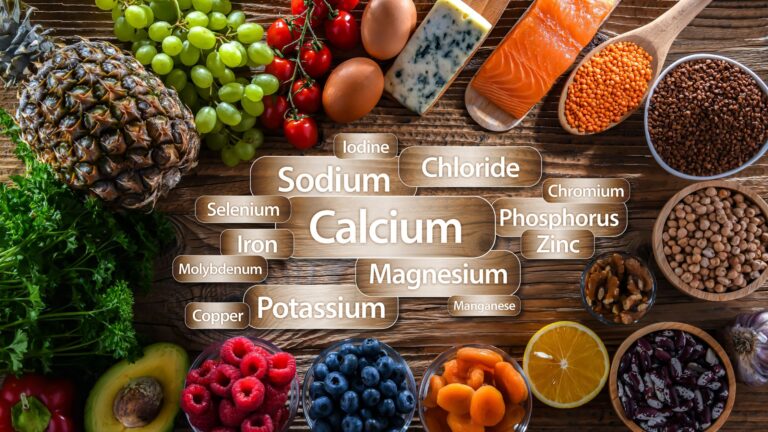
[/et_pb_text][/et_pb_column][/et_pb_row][/et_pb_section][et_pb_section fb_built=”1″ admin_label=”Post Body” _builder_version=”4.27.4″ background_color=”#F2F2F2″ custom_padding=”29px||2px|||” locked=”off” global_colors_info=”{}”][et_pb_row _builder_version=”4.27.4″ _module_preset=”default” custom_padding=”6px||0px|||”][et_pb_column _builder_version=”4.27.4″ _module_preset=”default” type=”4_4″][et_pb_heading title=”Eastern and Western Nutrition” _builder_version=”4.27.4″ _module_preset=”default” title_level=”h2″ title_text_color=”#000000″ hover_enabled=”0″ sticky_enabled=”0″][/et_pb_heading][/et_pb_column][/et_pb_row][et_pb_row column_structure=”1_2,1_2″ _builder_version=”4.27.4″ custom_padding=”3px||4px|||” hover_enabled=”0″ locked=”off” global_colors_info=”{}” sticky_enabled=”0″][et_pb_column type=”1_2″ _builder_version=”4.16″ global_colors_info=”{}”][et_pb_text _builder_version=”4.27.4″ _module_preset=”default” text_text_color=”#000000″ text_font_size=”17px” hover_enabled=”0″ global_colors_info=”{}” sticky_enabled=”0″]In both Eastern and Western culinary traditions, okra is highly regarded for its unique properties and benefits. In Eastern medicine systems, such as Traditional Chinese Medicine (TCM) and Ayurveda, okra is valued for its cooling effects and is believed to support the spleen, stomach, and kidneys, making it a recommended food for individuals experiencing excess heat or inflammation in the body. Conversely, in Western cuisine, okra is celebrated for its distinctive flavor and texture, finding its way into a variety of dishes such as gumbo, ratatouille, and stir-fries, while also providing notable nutritional benefits. Moreover, the preparation and consumption of okra reflect cultural preferences and cooking techniques that vary significantly between Eastern and Western practices. In Eastern cuisines, okra is often incorporated into soups and stews, where its mucilaginous texture serves to thicken the dish and enhance its mouthfeel. This characteristic is particularly appreciated in dishes like bhindi masala in Indian cuisine, where okra is sautéed with spices to create a flavorful accompaniment. In contrast, Western culinary traditions often emphasize frying or grilling okra, which results in a crispy exterior that contrasts with its tender interior. This method is commonly seen in Southern U.S. cuisine, where fried okra is a popular side dish. Both approaches highlight the adaptability of okra, showcasing its ability to complement a wide range of flavors and cooking styles while maintaining its nutritional integrity.
[/et_pb_text][/et_pb_column][et_pb_column type=”1_2″ _builder_version=”4.16″ global_colors_info=”{}”][et_pb_image src=”https://www.immortalme.com/wp-content/uploads/2025/02/Screenshot-2025-02-14-120615.png” title_text=”Screenshot 2025-02-14 120615″ _builder_version=”4.27.4″ _module_preset=”default” hover_enabled=”0″ border_radii=”on|6px|6px|6px|6px” box_shadow_style=”preset1″ global_colors_info=”{}” sticky_enabled=”0″ custom_margin=”||4px|||” box_shadow_spread=”3px” box_shadow_color=”#84776C”][/et_pb_image][/et_pb_column][/et_pb_row][/et_pb_section][et_pb_section fb_built=”1″ _builder_version=”4.27.4″ _module_preset=”default” background_color=”#F2F2F2″ custom_padding=”30px||3px|||” hover_enabled=”0″ global_colors_info=”{}” sticky_enabled=”0″][et_pb_row _builder_version=”4.27.4″ _module_preset=”default” custom_padding=”3px||1px|||” global_colors_info=”{}”][et_pb_column type=”4_4″ _builder_version=”4.27.4″ _module_preset=”default” global_colors_info=”{}”][et_pb_heading title=”Final Thoughts” _builder_version=”4.27.4″ _module_preset=”default” custom_margin=”||10px||false|false” hover_enabled=”0″ global_colors_info=”{}” title_level=”h2″ title_text_color=”#000000″ sticky_enabled=”0″][/et_pb_heading][et_pb_text _builder_version=”4.27.4″ _module_preset=”default” text_text_color=”#000000″ text_font_size=”17px” global_colors_info=”{}”]Okra is a highly nutritious and versatile vegetable with a long history of culinary and medicinal use. Its rich fiber content, antioxidant properties, and potential health benefits make it a valuable addition to a balanced diet. Whether enjoyed in traditional dishes or incorporated into innovative recipes, okra offers a flavorful and healthful option for individuals seeking to enhance their well-being through diet and nutrition.
[/et_pb_text][/et_pb_column][/et_pb_row][et_pb_row _builder_version=”4.27.4″ _module_preset=”default” custom_padding=”42px||5px|||” global_colors_info=”{}” theme_builder_area=”post_content”][et_pb_column type=”4_4″ _builder_version=”4.27.4″ _module_preset=”default” global_colors_info=”{}” theme_builder_area=”post_content”][et_pb_divider color=”#84776C” divider_weight=”2px” _builder_version=”4.27.4″ _module_preset=”default” global_colors_info=”{}” theme_builder_area=”post_content”][/et_pb_divider][et_pb_toggle title=”References” open_toggle_background_color=”#FFFFFF” closed_toggle_background_color=”#FFFFFF” icon_color=”#84776C” toggle_icon=”||fa||900″ use_icon_font_size=”on” icon_font_size=”25px” open_icon_color=”#E02B20″ open_toggle_icon=”||fa||900″ open_use_icon_font_size=”on” open_icon_font_size=”25px” _builder_version=”4.27.4″ _module_preset=”default” title_text_color=”#000000″ title_font=”Cormorant Garamond||||||||” title_text_align=”left” title_font_size=”20px” text_orientation=”left” custom_margin=”||42px|||” custom_padding=”|||20px|false|false” hover_enabled=”0″ border_radii=”on|6px|6px|6px|6px” box_shadow_style=”preset1″ box_shadow_color=”#84776C” global_colors_info=”{}” theme_builder_area=”post_content” sticky_enabled=”0″ body_line_height=”1.5em”]Agoro, E. and Anyiam, I. (2023). The effect of okra (abelmoschus esculentus) on the hepatic metabolism of carbohydrates and lipids. Asian Journal of Biological Sciences, 16(3), 195-201. https://doi.org/10.3923/ajbs.2023.195.201
Almuslimawi, A., László, L., Sahad, A., Yousif, A., Túróczi, G., & Posta, K. (2024). Preliminary results of the impact of beneficial soil microorganisms on okra plants and their polyphenol components. Agriculture, 14(5), 776. https://doi.org/10.3390/agriculture14050776
Chowdhury, N., Jamaly, S., Farjana, F., Begum, N., & Zenat, E. (2019). A review on ethnomedicinal, pharmacological, phytochemical and pharmaceutical profile of lady’s finger (<i>abelmoschus esculentus</i> l.) plant. Pharmacology & Pharmacy, 10(02), 94-108. https://doi.org/10.4236/pp.2019.102008
Durazzo, A., Lucarini, M., Novellino, E., Souto, E., Daliu, P., & Santini, A. (2018). Abelmoschus esculentus (l.): bioactive components’ beneficial properties—focused on antidiabetic role—for sustainable health applications. Molecules, 24(1), 38. https://doi.org/10.3390/molecules24010038
Elkhalifa, A., Al-Shammari, E., Adnan, M., Alcantara, J., Awadelkareem, A., Eltoum, N., … & Ashraf, S. (2021). Okra (abelmoschus esculentus) as a potential dietary medicine with nutraceutical importance for sustainable health applications. Molecules, 26(3), 696. https://doi.org/10.3390/molecules26030696
Fasakin, K., Afe, I., & Saka, A. (2019). Growth and yield response of okra (abelmoschus esculentus (l.) moench) to fertilizer types and times of application in the southern guinea savanna agro-ecozone of nigeria. Journal of Agricultural Sciences Belgrade, 64(4), 353-366. https://doi.org/10.2298/jas1904353f
Gemede, H. (2015). Nutritional quality and health benefits of okra (abelmoschus esculentus): a review. Journal of Food Processing & Technology, 06(06). https://doi.org/10.4172/2157-7110.1000458
Int, C. (2019). Study on the stability of antioxidant and anti α-glucosidase activities using soaking treatment in okra (abelmoschus esculentus l.) mucilage extraction.. https://doi.org/10.31221/osf.io/wke35
J, D. (2024). Alpha-amylase and alpha-glucosidase inhibitory potential of overnight soaked aqueous extract of abelmoschus esculentus. Texila International Journal of Public Health, 12(special issue 1). https://doi.org/10.21522/tijph.2013.se.24.01.art01
Li, W., Li, J., Wang, J., He, Y., Hu, Y., Wu, D., … & Zou, L. (2022). Effects of various degrees of esterification on antioxidant and immunostimulatory activities of okra pectic-polysaccharides. Frontiers in Nutrition, 9. https://doi.org/10.3389/fnut.2022.1025897
Liu, Y., Qi, J., Luo, J., Qin, W., Luo, Q., Zhang, Q., … & Chen, H. (2019). Okra in food field: nutritional value, health benefits and effects of processing methods on quality. Food Reviews International, 37(1), 67-90. https://doi.org/10.1080/87559129.2019.1695833
M.K, N., BUBA, A., & Adamu, S. (2022). Effect of pruning on growth, fruit yield, nutritional quality, and nutrient uptake of two okra varieties (abelmoschus esculentus). Journal of Multidisciplinary Studies, 11(1). https://doi.org/10.62249/jmds.2013.2421
Omoniyi, S., Muhammad, A., & Ayuba, R. (2020). Nutrient composition and anti-nutritional properties of okra (abelmoschus esculentus) calyx flour. Nutrition & Food Science, 51(1), 30-40. https://doi.org/10.1108/nfs-02-2020-0049
Ritzoulis, C. (2016). Mucilage formation in food: a review on the example of okra. International Journal of Food Science & Technology, 52(1), 59-67. https://doi.org/10.1111/ijfs.13270
Sandeep, N., Dushyanthakumar, B., Sridhara, S., Dasaiah, L., Satish, K., El-Shehawi, A., … & Elansary, H. (2022). Characterization of okra species, their hybrids and crossability relationships among abelmoschus species of the western ghats region. Horticulturae, 8(7), 587. https://doi.org/10.3390/horticulturae8070587
Sreenivas, S. (2024). Okra (abelmoschus esculentus l. moench) as a nutraceutical – a concise review on health benefits. International Journal of Science and Healthcare Research, 9(4), 271-276. https://doi.org/10.52403/ijshr.20240434
Wu, D., Nie, X., Shen, D., Li, H., Zhao, L., Zhang, Q., … & Qin, W. (2020). Phenolic compounds, antioxidant activities, and inhibitory effects on digestive enzymes of different cultivars of okra (abelmoschus esculentus). Molecules, 25(6), 1276. https://doi.org/10.3390/molecules25061276
Yang, J., Chen, X., Rao, S., Li, Y., Zang, Y., & Bao-cheng, Z. (2022). Identification and quantification of flavonoids in okra (abelmoschus esculentus l. moench) and antiproliferative activity in vitro of four main components identified. Metabolites, 12(6), 483. https://doi.org/10.3390/metabo12060483
Zhang, Y., Zhang, T., Zhao, Q., Xie, X., Li, Y., Chen, Q., … & Huang, J. (2021). Comparative transcriptome analysis of the accumulation of anthocyanins revealed the underlying metabolic and molecular mechanisms of purple pod coloration in okra (abelmoschus esculentus l.). Foods, 10(9), 2180. https://doi.org/10.3390/foods10092180
Zim, A., Khatun, J., Khan, M., Hossain, M., & Haque, M. (2021). Evaluation of in vitro antioxidant activity of okra mucilage and its antidiabetic and antihyperlipidemic effect in alloxan‐induced diabetic mice. Food Science & Nutrition, 9(12), 6854-6865. https://doi.org/10.1002/fsn3.2641
MyFoodData. (n.d.). Okra nutrition facts and health benefits. Retrieved January 2, 2025, from https://tools.myfooddata.com/nutrition-facts/169260/wt1/1
[/et_pb_toggle][/et_pb_column][/et_pb_row][/et_pb_section][et_pb_section fb_built=”1″ _builder_version=”4.27.4″ _module_preset=”default” background_color=”#84776C” hover_enabled=”0″ global_colors_info=”{}” custom_padding=”35px||60px||false|false” custom_margin=”||-60px||false|false” sticky_enabled=”0″][et_pb_row _builder_version=”4.27.4″ _module_preset=”default” global_colors_info=”{}” custom_padding=”10px|||||”][et_pb_column type=”4_4″ _builder_version=”4.27.4″ _module_preset=”default” global_colors_info=”{}”][et_pb_heading title=”More Articles You May Like” _builder_version=”4.27.4″ _module_preset=”default” title_text_color=”#FFFFFF” global_colors_info=”{}”][/et_pb_heading][et_pb_divider color=”#F2F2F2″ divider_weight=”2px” _builder_version=”4.27.4″ _module_preset=”default” global_colors_info=”{}”][/et_pb_divider][et_pb_blog_extras posts_number=”12″ include_categories=”57,19,56″ blog_layout=”slider” excerpt_length=”600″ show_author=”off” category_color=”#2533ab” category_background_color=”RGBA(255,255,255,0)” show_comments=”off” content_color=”#000000″ _builder_version=”4.27.4″ _module_preset=”default” header_text_color=”#000000″ body_text_color=”#000000″ meta_text_color=”#000000″ hover_enabled=”0″ border_radii=”on|10px|10px|10px|10px” border_width_all=”2px” border_color_all=”rgba(242,242,242,0.32)” box_shadow_style=”preset2″ box_shadow_blur=”28px” box_shadow_color=”rgba(0,0,0,0.53)” global_colors_info=”{}” slider_layout=”vertical_grid” slider_loop=”on” show_date=”off” sticky_enabled=”0″][/et_pb_blog_extras][/et_pb_column][/et_pb_row][et_pb_row _builder_version=”4.27.4″ _module_preset=”default” background_color=”#FFFFFF” border_radii=”on|6px|6px|6px|6px” global_colors_info=”{}” theme_builder_area=”post_content”][et_pb_column type=”4_4″ _builder_version=”4.27.4″ _module_preset=”default” global_colors_info=”{}” theme_builder_area=”post_content”][et_pb_text _builder_version=”4.27.4″ _module_preset=”default” text_text_color=”#84776C” text_font_size=”12px” text_line_height=”1.5em” header_font=”|300|||||||” header_font_size=”25px” header_4_font=”–et_global_heading_font||||||||” header_4_text_color=”#84776C” custom_padding=”|17px||17px|false|false” global_colors_info=”{}” theme_builder_area=”post_content”]Medical Disclaimer
The information provided in this document is intended for educational and informational purposes only and should not be construed as medical advice, diagnosis, or treatment. It is essential to consult a qualified healthcare professional for any medical concerns or conditions. The content herein does not substitute for professional medical advice, and individuals should not disregard or delay seeking medical advice based on the information provided.
The authors and publishers of this document do not assume any responsibility for any adverse effects or consequences resulting from the use or application of the information contained herein. The reader is encouraged to conduct their own research and consult with healthcare providers to make informed decisions regarding their health and treatment options. Furthermore, the information presented may not reflect the most current research or medical guidelines, as medical knowledge is continually evolving. Therefore, it is imperative to verify the information with up-to-date, peer-reviewed sources and consult with medical professionals for personalized advice.
[/et_pb_text][/et_pb_column][/et_pb_row][/et_pb_section]