Cannellini Beans
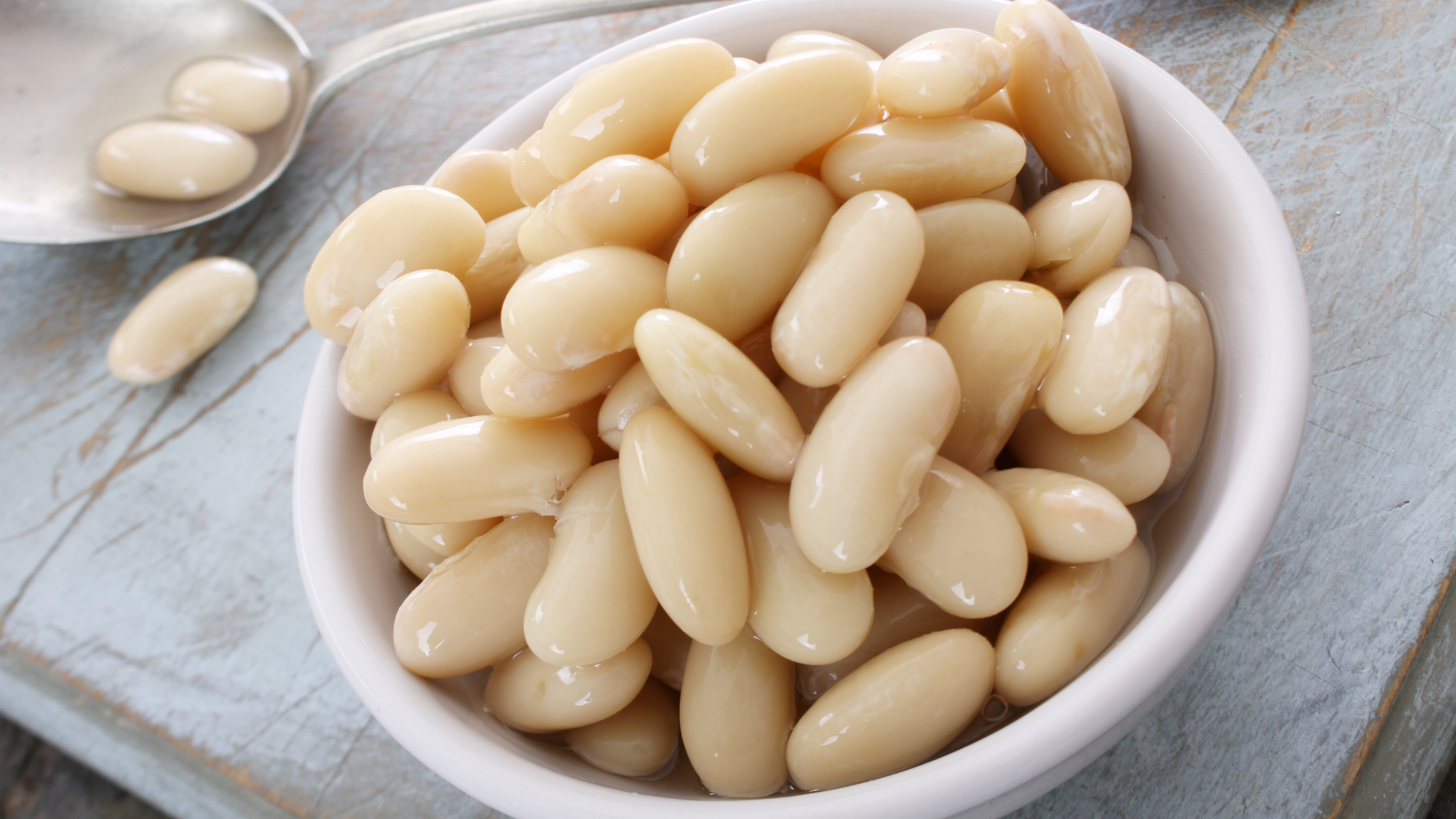
Cannellini beans, also known as white kidney beans, are a versatile legume prized for their creamy texture and mild flavor. Originating from Italy, these beans have made their way into kitchens around the world due to their culinary versatility and numerous health benefits. From soups and stews to salads and dips, cannellini beans offer a nutritious addition to any meal. Beyond their culinary appeal, they boast a range of health-promoting properties that make them a valuable component of a balanced diet.
[/et_pb_text][et_pb_heading title=”History” _builder_version=”4.27.4″ _module_preset=”default” title_level=”h2″ title_text_color=”#000000″ custom_margin=”||10px||false|false” global_colors_info=”{}”][/et_pb_heading][et_pb_text _builder_version=”4.27.4″ _module_preset=”default” text_text_color=”#000000″ text_font_size=”17px” global_colors_info=”{}”]Cannellini beans have a rich history that traces back to ancient times. Believed to have originated in South America, they were introduced to Europe by Spanish explorers during the 15th century. However, it was in Italy where these beans found a special place in culinary traditions. The name “cannellini” translates to “little tube” in Italian, referring to the shape of the bean. In Italian cuisine, they are commonly used in dishes such as minestrone soup, pasta e fagioli, and salads, showcasing their versatility and adaptability to various recipes.
[/et_pb_text][et_pb_heading title=”Health Benefits” _builder_version=”4.27.4″ _module_preset=”default” title_level=”h2″ title_text_color=”#000000″ custom_margin=”||10px||false|false” custom_padding=”||||false|false” global_colors_info=”{}”][/et_pb_heading][et_pb_text _builder_version=”4.27.4″ _module_preset=”default” text_text_color=”#000000″ text_font_size=”17px” global_colors_info=”{}”]One of the key components of cannellini beans is their high fiber content, which plays a crucial role in supporting digestive health. The soluble fiber in these beans forms a gel-like substance in the digestive tract, helping to regulate blood sugar levels and cholesterol. Additionally, cannellini beans are a good source of protein, making them beneficial for muscle repair and growth. They also contain a variety of vitamins and minerals, including folate, iron, and magnesium, which are essential for overall health and well-being. The soluble fiber in cannellini beans can help lower cholesterol levels, reducing the risk of heart disease. High fiber content promotes satiety, aiding in weight management by reducing overall calorie intake. The complex carbohydrates in cannellini beans are digested slowly, resulting in a gradual rise in blood sugar levels, which is beneficial for individuals with diabetes. The fiber content supports digestive health by promoting regular bowel movements and preventing constipation. Cannellini beans are rich in vitamins and minerals, providing essential nutrients that support overall health and vitality.
[/et_pb_text][/et_pb_column][/et_pb_row][/et_pb_section][et_pb_section fb_built=”1″ _builder_version=”4.27.4″ _module_preset=”default” background_color=”#F2F2F2″ custom_padding=”30px||3px||false|false” global_colors_info=”{}”][et_pb_row _builder_version=”4.27.4″ _module_preset=”default” custom_margin=”-17px|auto||auto||” custom_padding=”8px||1px|||” global_colors_info=”{}”][et_pb_column type=”4_4″ _builder_version=”4.27.4″ _module_preset=”default” global_colors_info=”{}”][et_pb_heading title=”Best Preparation Methods ” _builder_version=”4.27.4″ _module_preset=”default” title_level=”h2″ title_text_color=”#000000″ global_colors_info=”{}”][/et_pb_heading][/et_pb_column][/et_pb_row][et_pb_row column_structure=”2_3,1_3″ _builder_version=”4.27.4″ _module_preset=”default” custom_padding=”4px||8px|||” global_colors_info=”{}”][et_pb_column type=”2_3″ _builder_version=”4.27.4″ _module_preset=”default” global_colors_info=”{}”][et_pb_text _builder_version=”4.27.4″ _module_preset=”default” text_text_color=”#000000″ text_font_size=”17px” custom_margin=”||22px|||” global_colors_info=”{}”]To prepare dried cannellini beans, it is recommended to soak them in water for at least 8 hours or overnight, which helps to reduce cooking time and improve digestibility by decreasing anti-nutritional factors such as phytates. After soaking, the beans should be drained and rinsed before boiling them in fresh water for approximately 30 to 60 minutes until tender. The cooking time may vary depending on the age and variety of the beans, with faster-cooking varieties preferred for efficiency. Cannellini beans can be used in a variety of dishes, including soups, stews, and salads, and they are valued for their high fiber, protein, and mineral content, making them an excellent choice for promoting heart health and overall well-being.
[/et_pb_text][et_pb_image src=”https://www.immortalme.com/wp-content/uploads/2025/02/cannelli-beans.jpg” title_text=”Food Library 750×500 (750 x 500 px) – 140″ _builder_version=”4.27.4″ _module_preset=”default” custom_margin=”31px|||||” border_radii=”on|6px|6px|6px|6px” box_shadow_style=”preset1″ box_shadow_spread=”3px” box_shadow_color=”#84776C” global_colors_info=”{}”][/et_pb_image][/et_pb_column][et_pb_column type=”1_3″ _builder_version=”4.27.4″ _module_preset=”default” global_colors_info=”{}”][et_pb_image src=”https://www.immortalme.com/wp-content/uploads/2025/01/Canellini-Beans.png” title_text=”Canellini Beans” _builder_version=”4.27.4″ _module_preset=”default” border_radii=”on|6px|6px|6px|6px” box_shadow_style=”preset1″ box_shadow_spread=”3px” box_shadow_color=”#84776C” global_colors_info=”{}”][/et_pb_image][/et_pb_column][/et_pb_row][/et_pb_section][et_pb_section fb_built=”1″ _builder_version=”4.27.4″ _module_preset=”default” background_color=”#F2F2F2″ custom_padding=”28px||1px|||” global_colors_info=”{}”][et_pb_row _builder_version=”4.27.4″ _module_preset=”default” custom_padding=”4px||7px|||” global_colors_info=”{}”][et_pb_column type=”4_4″ _builder_version=”4.27.4″ _module_preset=”default” global_colors_info=”{}”][et_pb_heading title=”Precautions and Possible Side Effects” _builder_version=”4.27.4″ _module_preset=”default” title_level=”h2″ title_text_color=”#000000″ custom_margin=”||10px||false|false” global_colors_info=”{}”][/et_pb_heading][et_pb_text _builder_version=”4.27.4″ _module_preset=”default” text_text_color=”#000000″ text_font_size=”17px” global_colors_info=”{}”]While cannellini beans offer numerous health benefits, individuals with certain dietary restrictions or medical conditions should exercise caution when consuming them. For example, individuals with irritable bowel syndrome (IBS) or other gastrointestinal disorders may experience discomfort or bloating after consuming beans due to their high fiber content. Additionally, those following a low-carbohydrate or ketogenic diet may need to moderate their intake of cannellini beans due to their carbohydrate content. While cannellini beans are generally safe for consumption, some individuals may experience gastrointestinal discomfort, such as gas, bloating, or abdominal pain, particularly if they are not accustomed to consuming high-fiber foods. To minimize these side effects, it is advisable to soak dried beans overnight before cooking and to increase fiber intake gradually. Cannellini beans may interact with certain medications or supplements. For example, they contain compounds called lectins, which may interfere with the absorption of nutrients or cause gastrointestinal irritation in some individuals. Additionally, individuals taking medications for diabetes or high blood pressure should monitor their blood sugar or blood pressure levels closely when consuming cannellini beans, as they may affect medication efficacy.
[/et_pb_text][/et_pb_column][/et_pb_row][/et_pb_section][et_pb_section fb_built=”1″ admin_label=”Post Body” _builder_version=”4.27.4″ background_color=”#F2F2F2″ custom_padding=”30px||8px|||” locked=”off” global_colors_info=”{}”][et_pb_row column_structure=”1_2,1_2″ _builder_version=”4.27.4″ custom_padding=”4px||12px|||” locked=”off” global_colors_info=”{}”][et_pb_column type=”1_2″ _builder_version=”4.16″ global_colors_info=”{}”][et_pb_heading title=”Eastern and Western Nutrition” _builder_version=”4.27.4″ _module_preset=”default” custom_margin=”||10px||false|false” global_colors_info=”{}”][/et_pb_heading][et_pb_text _builder_version=”4.27.4″ _module_preset=”default” text_text_color=”#000000″ text_font_size=”17px” hover_enabled=”0″ global_colors_info=”{}” custom_padding=”||0px|||” sticky_enabled=”0″]In Eastern nutrition, particularly within the framework of Traditional Chinese Medicine (TCM), cannellini beans are esteemed for their cooling properties and their ability to harmonize bodily energies. These beans are associated with the Earth element and are believed to nourish the spleen and stomach meridians, which play a pivotal role in digestion and nutrient absorption. This perspective aligns with the broader understanding of legumes in Eastern dietary practices, where they are often recommended to enhance digestive health and balance bodily functions. The nutritional profile of cannellini beans, rich in fiber, protein, and essential minerals, supports these claims, as they contribute to overall digestive wellness and energy balance. Furthermore, the incorporation of legumes like cannellini beans into the diet is seen as a means to achieve a holistic approach to health, emphasizing the importance of food as medicine in Eastern traditions. Studies have shown that the consumption of beans can lead to improved metabolic health and reduced inflammation, which are critical aspects of maintaining balance in TCM.
[/et_pb_text][/et_pb_column][et_pb_column type=”1_2″ _builder_version=”4.16″ global_colors_info=”{}”][et_pb_image src=”https://www.immortalme.com/wp-content/uploads/2025/01/Canelinni-Bean-sq.png” title_text=”Canelinni Bean sq” _builder_version=”4.27.4″ _module_preset=”default” border_radii=”on|6px|6px|6px|6px” box_shadow_style=”preset1″ box_shadow_spread=”3px” box_shadow_color=”#84776C” global_colors_info=”{}”][/et_pb_image][/et_pb_column][/et_pb_row][et_pb_row _builder_version=”4.27.4″ _module_preset=”default” custom_margin=”-5px|auto||auto||” custom_padding=”6px||6px|||” global_colors_info=”{}”][et_pb_column type=”4_4″ _builder_version=”4.27.4″ _module_preset=”default” global_colors_info=”{}”][et_pb_text _builder_version=”4.27.4″ _module_preset=”default” text_text_color=”#000000″ text_font_size=”17px” hover_enabled=”0″ global_colors_info=”{}” sticky_enabled=”0″]Conversely, in Western nutrition, cannellini beans are recognized for their substantial health benefits, particularly concerning cardiovascular health, weight management and digestive function. They are praised for their nutrient density, being high in fiber, protein, and essential vitamins and minerals, which contribute to a balanced diet. Research indicates that the consumption of beans, including cannellini, can lead to improved heart health by reducing cholesterol levels and lowering the risk of chronic diseases. Moreover, the versatility of cannellini beans in various culinary applications enhances their appeal in Western diets, where they are often used as a meat substitute due to their high protein content. Studies have shown that regular consumption of legumes can support weight management and improve metabolic health, making them a valuable component of a modern, health-conscious diet. Thus, while Eastern and Western nutritional philosophies may differ in their approaches, both recognize the significant health benefits of cannellini beans as a vital food source, underscoring their role in promoting overall health and well-being.
[/et_pb_text][/et_pb_column][/et_pb_row][/et_pb_section][et_pb_section fb_built=”1″ _builder_version=”4.27.4″ _module_preset=”default” background_color=”#F2F2F2″ custom_padding=”28px||5px|||” global_colors_info=”{}” custom_margin=”-1px|||||”][et_pb_row _builder_version=”4.27.4″ _module_preset=”default” custom_margin=”-5px|auto||auto||” custom_padding=”6px||6px|||” global_colors_info=”{}”][et_pb_column type=”4_4″ _builder_version=”4.27.4″ _module_preset=”default” global_colors_info=”{}”][et_pb_heading title=”Final Thoughts” _builder_version=”4.27.4″ _module_preset=”default” title_level=”h2″ title_text_color=”#000000″ custom_margin=”||10px||false|false” global_colors_info=”{}”][/et_pb_heading][et_pb_text _builder_version=”4.27.4″ _module_preset=”default” text_text_color=”#000000″ text_font_size=”17px” global_colors_info=”{}”]In conclusion, cannellini beans are a nutritional powerhouse that offers a wide range of health benefits. Whether enjoyed in hearty soups, refreshing salads, or savory dips, these versatile legumes can be incorporated into a variety of dishes to enhance both flavor and nutrition. By understanding their history, mechanism of action, health benefits, and culinary applications, individuals can harness the power of cannellini beans to support their health and well-being.
[/et_pb_text][/et_pb_column][/et_pb_row][et_pb_row _builder_version=”4.27.4″ _module_preset=”default” custom_padding=”42px||5px|||” global_colors_info=”{}”][et_pb_column type=”4_4″ _builder_version=”4.27.4″ _module_preset=”default” global_colors_info=”{}”][et_pb_divider color=”#84776C” divider_weight=”2px” _builder_version=”4.27.4″ _module_preset=”default” custom_margin=”-14px|||||” custom_padding=”||0px|||” global_colors_info=”{}”][/et_pb_divider][et_pb_toggle title=”References” open_toggle_background_color=”#FFFFFF” closed_toggle_background_color=”#FFFFFF” icon_color=”#84776C” toggle_icon=”||fa||900″ use_icon_font_size=”on” icon_font_size=”25px” open_icon_color=”#E02B20″ open_toggle_icon=”||fa||900″ open_use_icon_font_size=”on” open_icon_font_size=”25px” _builder_version=”4.27.4″ _module_preset=”default” title_text_color=”#000000″ title_font=”Cormorant Garamond||||||||” title_text_align=”left” title_font_size=”20px” text_orientation=”left” custom_margin=”||34px|||” custom_padding=”|||20px|false|false” hover_enabled=”0″ border_radii=”on|6px|6px|6px|6px” box_shadow_style=”preset1″ box_shadow_color=”#84776C” global_colors_info=”{}” sticky_enabled=”0″]Aguilera, Y., et al.(2011). Bioactive phenolic compounds and functional properties of dehydrated bean flours. Food Research International, 44(3), 774-780. https://doi.org/10.1016/j.foodres.2011.01.004
Ahmed, S. (2024). Rice bean (vigna umbellata) the forgotten gold: unraveling the commercial, nutritional and medicinal value. Journal of Pharmacognosy and Phytochemistry, 13(3), 34-36. https://doi.org/10.22271/phyto.2024.v13.i3a.14941
Aziz, M. and Abo-Srea, M. (2012). Quality and shelf life properties of yoghurt fortified with cannellini beans powder (phaseolus vulgaris l.). Journal of Food and Dairy Sciences, 3(3), 163-172. https://doi.org/10.21608/jfds.2012.75343
Didinger, C. and Thompson, H. (2021). Defining nutritional and functional niches of legumes: a call for clarity to distinguish a future role for pulses in the dietary guidelines for americans. Nutrients, 13(4), 1100. https://doi.org/10.3390/nu13041100
Didinger, C. and Thompson, H. (2022). The role of pulses in improving human health: a review. Legume Science, 4(4). https://doi.org/10.1002/leg3.147
Ferreira, H., Vasconcelos, M., Gil, A., & Pinto, E. (2020). Benefits of pulse consumption on metabolism and health: a systematic review of randomized controlled trials. Critical Reviews in Food Science and Nutrition, 61(1), 85-96. https://doi.org/10.1080/10408398.2020.1716680
Gong, D. (2024). Assessment of the diuretic properties of rice bean accessions using a mouse model and identification of active polyphenolic compounds. Nutrients, 16(11), 1603. https://doi.org/10.3390/nu16111603
Guo, P., et al. (2014). Nmr-based metabolomics approach to study the chronic toxicity of crude ricin from castor bean kernels on rats. Molecular Biosystems, 10(9), 2426-2440. https://doi.org/10.1039/c4mb00251b
Hou, D., et al. (2019). Mung bean (vigna radiata l.): bioactive polyphenols, polysaccharides, peptides, and health benefits. Nutrients, 11(6), 1238. https://doi.org/10.3390/nu11061238
Isemura, T., et al. (2010). The genetics of domestication of rice bean, vigna umbellata. Annals of Botany, 106(6), 927-944. https://doi.org/10.1093/aob/mcq188
Jiang, Q., et al. (2023). Profiles of free and bound phenolics and their antioxidant capacity in rice bean (vigna umbellata). Foods, 12(14), 2718. https://doi.org/10.3390/foods12142718
Kaihena, M. (2019). Effectiveness of finger leaf infusion (psophocarpus tetragonolobus (l.) dc) on the malaria model of rats (rattus norvegicus). Rumph. Patti. Biol. J., 1(1), 025-032. https://doi.org/10.30598/rumphiusv1i1p025-032
Kim, M., et al. (2016). Black adzuki bean (vigna angularis) extract exerts phenotypic effects on white adipose tissue and reverses liver steatosis in diet-induced obese mice. Journal of Food Biochemistry, 41(2), e12333. https://doi.org/10.1111/jfbc.12333
Komolafe, K. (2024). Contemporary insights into the biological mechanisms of parkia biglobosa. International Journal of Environmental Research and Public Health, 21(4), 394. https://doi.org/10.3390/ijerph21040394
Liu, Y., et al. (2018). The compositional, physicochemical and functional properties of germinated mung bean flour and its addition on quality of wheat flour noodle. Journal of Food Science and Technology, 55(12), 5142-5152. https://doi.org/10.1007/s13197-018-3460-z
Loko, Y., et al. (2018). Folk taxonomy and traditional uses of common bean (phaseolus vulgaris l.) landraces by the sociolinguistic groups in the central region of the republic of benin. Journal of Ethnobiology and Ethnomedicine, 14(1). https://doi.org/10.1186/s13002-018-0251-6
Nchanji, E. and Odhiambo, C. (2021). Do common beans (phaseolus vulgaris l.) promote good health in humans? a systematic review and meta-analysis of clinical and randomized controlled trials. Nutrients, 13(11), 3701. https://doi.org/10.3390/nu13113701
Papanikolaou, Y. (2023). Dietary patterns with increased bean consumption are associated with greater overall and shortfall nutrient intakes, lower added sugar, and improved diet quality in adults.. https://doi.org/10.21203/rs.3.rs-3258840/v1
Papanikolaou, Y., et al. (2024). Adult dietary patterns with increased bean consumption are associated with greater overall shortfall nutrient intakes, lower added sugar, improved weight-related outcomes and better diet quality. Nutrition Journal, 23(1). https://doi.org/10.1186/s12937-024-00937-1
Rasetti-Escargueil, C. and Avril, A. (2023). Medical countermeasures against ricin intoxication. Toxins, 15(2), 100. https://doi.org/10.3390/toxins15020100
Rondanelli, M., et al. (2011). Appetite control and glycaemia reduction in overweight subjects treated with a combination of two highly standardized extracts fromphaseolus vulgarisandcynara scolymus. Phytotherapy Research, 25(9), 1275-1282. https://doi.org/10.1002/ptr.3425
Tang, D., et al. (2014). A review of phytochemistry, metabolite changes, and medicinal uses of the common food mung bean and its sprouts (vigna radiata). Chemistry Central Journal, 8(1). https://doi.org/10.1186/1752-153x-8-4
Uebersax, M., et al, (2022). Dry beans (phaseolus vulgaris l.) as a vital component of sustainable agriculture and food security—a review. Legume Science, 5(1). https://doi.org/10.1002/leg3.155
Zhao, J., et al. (2023). Nutrients, extractable bound phenolic compositions and their antioxidant properties in different varieties of mung beans.. https://doi.org/10.21203/rs.3.rs-2602731/v1
MyFoodData. (n.d.). *Nutrition facts for food item 2597721*. Retrieved December 10, 2024, from https://tools.myfooddata.com/nutrition-facts/2597721/oz/1
[/et_pb_toggle][/et_pb_column][/et_pb_row][/et_pb_section][et_pb_section fb_built=”1″ _builder_version=”4.27.4″ _module_preset=”default” background_color=”#84776C” custom_margin=”||-60px||false|false” custom_padding=”35px||60px||false|false” global_colors_info=”{}”][et_pb_row _builder_version=”4.27.4″ _module_preset=”default” custom_padding=”13px|||||” global_colors_info=”{}”][et_pb_column type=”4_4″ _builder_version=”4.27.4″ _module_preset=”default” global_colors_info=”{}”][et_pb_heading title=”More Articles You May Like” _builder_version=”4.27.4″ _module_preset=”default” title_text_color=”#FFFFFF” global_colors_info=”{}”][/et_pb_heading][et_pb_divider color=”#F2F2F2″ divider_weight=”2px” _builder_version=”4.27.4″ _module_preset=”default” global_colors_info=”{}”][/et_pb_divider][et_pb_blog_extras posts_number=”12″ include_categories=”57,19,56″ blog_layout=”slider” slider_layout=”vertical_grid” excerpt_length=”600″ show_author=”off” show_date=”off” category_color=”#2533ab” category_background_color=”RGBA(255,255,255,0)” show_comments=”off” content_color=”#000000″ slider_loop=”on” _builder_version=”4.27.4″ _module_preset=”default” header_text_color=”#000000″ body_text_color=”#000000″ meta_text_color=”#000000″ border_radii=”on|10px|10px|10px|10px” border_width_all=”2px” border_color_all=”rgba(242,242,242,0.32)” box_shadow_style=”preset2″ box_shadow_blur=”28px” box_shadow_color=”rgba(0,0,0,0.53)” global_colors_info=”{}”][/et_pb_blog_extras][/et_pb_column][/et_pb_row][et_pb_row _builder_version=”4.27.4″ _module_preset=”default” background_color=”#FFFFFF” border_radii=”on|6px|6px|6px|6px” global_colors_info=”{}”][et_pb_column type=”4_4″ _builder_version=”4.27.4″ _module_preset=”default” global_colors_info=”{}”][et_pb_text _builder_version=”4.27.4″ _module_preset=”default” text_text_color=”#84776C” text_font_size=”12px” text_line_height=”1.5em” header_font=”|300|||||||” header_font_size=”25px” header_4_font=”–et_global_heading_font||||||||” header_4_text_color=”#84776C” custom_padding=”|17px||17px|false|false” global_colors_info=”{}”]Medical Disclaimer
The information provided in this document is intended for educational and informational purposes only and should not be construed as medical advice, diagnosis, or treatment. It is essential to consult a qualified healthcare professional for any medical concerns or conditions. The content herein does not substitute for professional medical advice, and individuals should not disregard or delay seeking medical advice based on the information provided.
The authors and publishers of this document do not assume any responsibility for any adverse effects or consequences resulting from the use or application of the information contained herein. The reader is encouraged to conduct their own research and consult with healthcare providers to make informed decisions regarding their health and treatment options. Furthermore, the information presented may not reflect the most current research or medical guidelines, as medical knowledge is continually evolving. Therefore, it is imperative to verify the information with up-to-date, peer-reviewed sources and consult with medical professionals for personalized advice.
[/et_pb_text][/et_pb_column][/et_pb_row][/et_pb_section]