Persimmon
In the realm of herbal remedies, persimmon stands out as a multifaceted plant that has intrigued practitioners and researchers alike for centuries. With a rich history deeply rooted in traditional medicine, persimmon has transcended cultural boundaries to captivate the interest of both Eastern and Western healers.
History
Persimmon boasts a lineage that traces back to ancient civilizations where it was revered for its medicinal properties. Originating in regions of Asia, particularly China and India, persimmon found its place in the annals of traditional medicine systems such as Ayurveda and Traditional Chinese Medicine (TCM). References to its therapeutic use can be found in ancient texts, illustrating its significance in treating various ailments and promoting overall well-being.
Health Benefits
The efficacy of persimmon can be attributed to its complex biochemical composition, which encompasses a wide range of bioactive compounds, including polyphenols, flavonoids, and alkaloids. These constituents work synergistically to produce pharmacological effects within the body, with research indicating that persimmon exhibits antioxidant, anti-inflammatory, and antimicrobial properties that contribute to its therapeutic actions. As a versatile herbal remedy, persimmon offers a diverse array of health benefits. Notably, it demonstrates anti-inflammatory effects that may help alleviate symptoms associated with inflammatory conditions such as arthritis and gastritis. The antioxidant compounds found in persimmon combat oxidative stress, thereby reducing the risk of chronic diseases and supporting overall cellular health. Additionally, traditional usage highlights persimmon’s role in promoting digestion and relieving gastrointestinal discomfort. Furthermore, studies suggest that persimmon may possess immunomodulatory effects, enhancing the body’s defense mechanisms against infections and diseases.
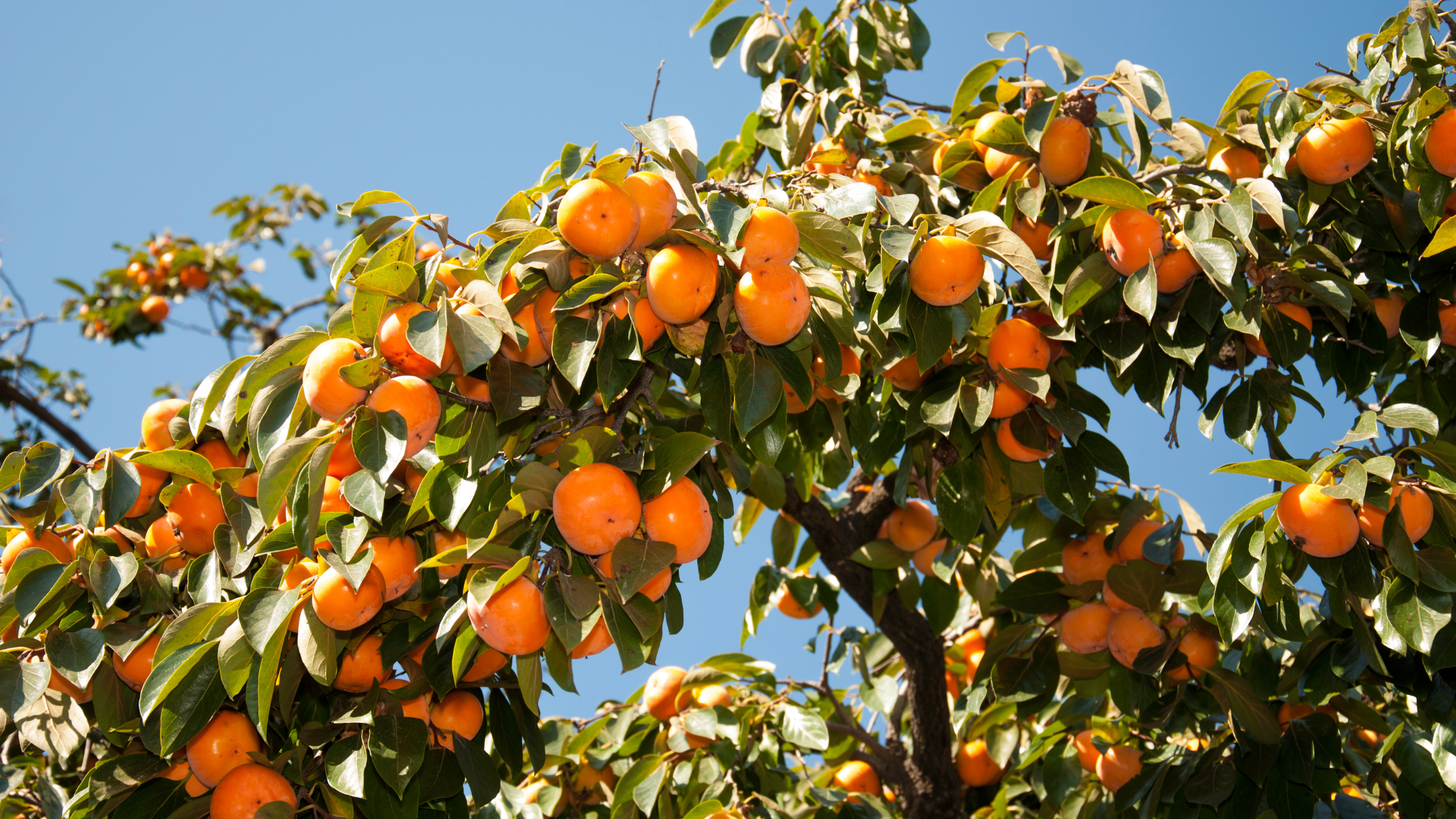
[/et_pb_text][/et_pb_column][/et_pb_row][/et_pb_section][et_pb_section fb_built=”1″ _builder_version=”4.27.4″ _module_preset=”default” background_color=”#F2F2F2″ custom_padding=”29px||2px||false|false” global_colors_info=”{}”][et_pb_row _builder_version=”4.27.4″ _module_preset=”default” custom_padding=”8px||3px|||” custom_margin=”-14px|auto||auto||”][et_pb_column _builder_version=”4.27.4″ _module_preset=”default” type=”4_4″][et_pb_heading title=”Best Preparation Methods” _builder_version=”4.27.4″ _module_preset=”default” hover_enabled=”0″ sticky_enabled=”0″ title_level=”h2″ title_text_color=”#000000″][/et_pb_heading][/et_pb_column][/et_pb_row][et_pb_row column_structure=”2_3,1_3″ _builder_version=”4.27.4″ _module_preset=”default” custom_padding=”4px||0px|||” global_colors_info=”{}” custom_margin=”1px|auto||auto||” min_height=”705.7px”][et_pb_column type=”2_3″ _builder_version=”4.27.4″ _module_preset=”default” global_colors_info=”{}”][et_pb_text _builder_version=”4.27.4″ _module_preset=”default” text_text_color=”#000000″ text_font_size=”17px” global_colors_info=”{}”]Persimmon, a versatile fruit, is utilized in various culinary applications across different cultures. It can be enjoyed fresh, dried, or cooked, with its flavor profile varying significantly between astringent and non-astringent varieties. Astringent persimmons require ripening to remove their bitterness, making them suitable for cooking, while non-astringent types can be eaten immediately after harvest. In many Asian cuisines, persimmons are incorporated into salads, desserts, and traditional dishes, often enhancing the nutritional value of meals due to their rich content of vitamins and antioxidants. Additionally, persimmons can be dried to create snacks or used in jams and jellies, showcasing their adaptability in both sweet and savory recipes.
[/et_pb_text][et_pb_image src=”https://www.immortalme.com/wp-content/uploads/2025/02/Screenshot-2025-02-13-124624.png” title_text=”Screenshot 2025-02-13 124624″ _builder_version=”4.27.4″ _module_preset=”default” hover_enabled=”0″ border_radii=”on|6px|6px|6px|6px” box_shadow_style=”preset1″ global_colors_info=”{}” sticky_enabled=”0″ box_shadow_spread=”3px” box_shadow_color=”#84776C”][/et_pb_image][/et_pb_column][et_pb_column type=”1_3″ _builder_version=”4.27.4″ _module_preset=”default” global_colors_info=”{}”][et_pb_image src=”https://www.immortalme.com/wp-content/uploads/2025/01/Persimmon.png” title_text=”Persimmon” _builder_version=”4.27.4″ _module_preset=”default” hover_enabled=”0″ box_shadow_style=”preset1″ global_colors_info=”{}” box_shadow_spread=”3px” box_shadow_color=”#84776C” border_radii=”on|6px|6px|6px|6px” sticky_enabled=”0″][/et_pb_image][/et_pb_column][/et_pb_row][/et_pb_section][et_pb_section fb_built=”1″ _builder_version=”4.27.4″ _module_preset=”default” custom_padding=”28px||3px|||” hover_enabled=”0″ global_colors_info=”{}” background_color=”#F2F2F2″ sticky_enabled=”0″][et_pb_row _builder_version=”4.27.4″ _module_preset=”default” custom_padding=”3px||6px|||” global_colors_info=”{}”][et_pb_column type=”4_4″ _builder_version=”4.27.4″ _module_preset=”default” global_colors_info=”{}”][et_pb_text _builder_version=”4.27.4″ _module_preset=”default” text_text_color=”#000000″ text_font_size=”17px” hover_enabled=”0″ global_colors_info=”{}” header_2_text_color=”#000000″ sticky_enabled=”0″]Precautions and Possible Side Effects
While persimmon is associated with numerous health benefits, it is crucial to exercise caution in certain circumstances. Pregnant and breastfeeding women are advised to consult healthcare professionals before incorporating persimmon into their diets due to limited safety data regarding its use during these periods. Additionally, individuals with known allergies to plants within the same botanical family as persimmon should avoid its consumption to prevent allergic reactions. Although generally considered safe when consumed in moderation, persimmon may cause adverse effects in some individuals, including gastrointestinal discomfort, allergic reactions, and potential interactions with certain medications. Therefore, it is recommended to start with a low dose and closely monitor for any adverse reactions. Furthermore, persimmon may interact with medications, particularly those that have anticoagulant, antiplatelet, or hypoglycemic effects. Individuals taking prescription medications should consult healthcare professionals before adding persimmon to their regimen to mitigate the risk of potential interactions.
[/et_pb_text][/et_pb_column][/et_pb_row][/et_pb_section][et_pb_section fb_built=”1″ admin_label=”Post Body” _builder_version=”4.27.4″ background_color=”#F2F2F2″ custom_padding=”29px||1px|||” locked=”off” global_colors_info=”{}”][et_pb_row column_structure=”1_2,1_2″ _builder_version=”4.27.4″ custom_padding=”0px||8px|||” hover_enabled=”0″ locked=”off” global_colors_info=”{}” sticky_enabled=”0″][et_pb_column type=”1_2″ _builder_version=”4.16″ global_colors_info=”{}”][et_pb_heading title=”Eastern and Western Nutrition” _builder_version=”4.27.4″ _module_preset=”default” custom_margin=”||10px||false|false” hover_enabled=”0″ global_colors_info=”{}” title_level=”h2″ title_text_color=”#000000″ sticky_enabled=”0″][/et_pb_heading][et_pb_text _builder_version=”4.27.4″ _module_preset=”default” text_text_color=”#000000″ text_font_size=”17px” hover_enabled=”0″ global_colors_info=”{}” sticky_enabled=”0″]In Eastern medicine systems such as Ayurveda and Traditional Chinese Medicine (TCM), persimmon is highly regarded for its ability to balance vital energy—known as Qi in TCM and Doshas in Ayurveda—thereby restoring harmony within the body. It is frequently incorporated into herbal formulas that are customized to suit individual constitutions and specific health conditions.
Conversely, in Western herbalism, persimmon is appreciated for its anti-inflammatory and antioxidant properties, making it a favored remedy for various conditions related to inflammation and oxidative stress. According to TCM, persimmon is thought to influence the Spleen, Stomach, and Lung meridians, and by targeting these pathways, it is believed to support digestive health, enhance energy levels, and improve respiratory function.
[/et_pb_text][/et_pb_column][et_pb_column type=”1_2″ _builder_version=”4.16″ global_colors_info=”{}”][et_pb_image src=”https://www.immortalme.com/wp-content/uploads/2025/02/Screenshot-2025-02-13-123917-1.png” title_text=”Screenshot 2025-02-13 123917″ _builder_version=”4.27.4″ _module_preset=”default” hover_enabled=”0″ border_radii=”on|6px|6px|6px|6px” box_shadow_style=”preset1″ global_colors_info=”{}” sticky_enabled=”0″ box_shadow_spread=”3px” box_shadow_color=”#84776C”][/et_pb_image][/et_pb_column][/et_pb_row][/et_pb_section][et_pb_section fb_built=”1″ _builder_version=”4.27.4″ _module_preset=”default” background_color=”#F2F2F2″ custom_padding=”29px||2px|||” hover_enabled=”0″ global_colors_info=”{}” sticky_enabled=”0″][et_pb_row _builder_version=”4.27.4″ _module_preset=”default” custom_padding=”1px|||||” global_colors_info=”{}”][et_pb_column type=”4_4″ _builder_version=”4.27.4″ _module_preset=”default” global_colors_info=”{}”][et_pb_text _builder_version=”4.27.4″ _module_preset=”default” text_text_color=”#000000″ text_font_size=”17px” hover_enabled=”0″ global_colors_info=”{}” header_2_text_color=”#000000″ sticky_enabled=”0″]Final Thoughts
In conclusion, Persimmon emerges as a versatile herbal remedy with a rich history and a wide array of applications in traditional and modern medicine. Its potential to support health through anti-inflammatory, antioxidant, and immune-modulating effects highlights its value in addressing various conditions. However, due to the complexity of its bioactive compounds and possible interactions, it is essential to use Persimmon under professional guidance to ensure safety and efficacy. As ongoing research continues to unveil its full potential, Persimmon remains a promising natural aid in holistic health practices.
[/et_pb_text][/et_pb_column][/et_pb_row][et_pb_row _builder_version=”4.27.4″ _module_preset=”default” custom_padding=”42px||5px|||” global_colors_info=”{}” theme_builder_area=”post_content”][et_pb_column type=”4_4″ _builder_version=”4.27.4″ _module_preset=”default” global_colors_info=”{}” theme_builder_area=”post_content”][et_pb_divider color=”#84776C” divider_weight=”2px” _builder_version=”4.27.4″ _module_preset=”default” global_colors_info=”{}” theme_builder_area=”post_content”][/et_pb_divider][et_pb_toggle title=”References” open_toggle_background_color=”#FFFFFF” closed_toggle_background_color=”#FFFFFF” icon_color=”#84776C” toggle_icon=”||fa||900″ use_icon_font_size=”on” icon_font_size=”25px” open_icon_color=”#E02B20″ open_toggle_icon=”||fa||900″ open_use_icon_font_size=”on” open_icon_font_size=”25px” _builder_version=”4.27.4″ _module_preset=”default” title_text_color=”#000000″ title_font=”Cormorant Garamond||||||||” title_text_align=”left” title_font_size=”20px” text_orientation=”left” custom_margin=”||42px|||” custom_padding=”|||20px|false|false” border_radii=”on|6px|6px|6px|6px” box_shadow_style=”preset1″ box_shadow_color=”#84776C” global_colors_info=”{}” theme_builder_area=”post_content”]
Yu, X., Wang, J., Gao, R., Gong, B., & Ai, C. (2022). Integrated metabolomic-transcriptomic analysis reveals diverse resource of functional ingredients from persimmon leaves of different varieties. Frontiers in Plant Science, 13. https://doi.org/10.3389/fpls.2022.904208
MyFoodData. (n.d.). *Nutrition facts for persimmon*. Retrieved January 3, 2025, from https://tools.myfooddata.com/nutrition-facts/2709259/wt3/1
[/et_pb_toggle][/et_pb_column][/et_pb_row][/et_pb_section][et_pb_section fb_built=”1″ _builder_version=”4.27.4″ _module_preset=”default” background_color=”#84776C” hover_enabled=”0″ global_colors_info=”{}” sticky_enabled=”0″ custom_padding=”||60px||false|false” custom_margin=”||-60px||false|false”][et_pb_row _builder_version=”4.27.4″ _module_preset=”default” global_colors_info=”{}”][et_pb_column type=”4_4″ _builder_version=”4.27.4″ _module_preset=”default” global_colors_info=”{}”][et_pb_heading title=”More Articles You May Like” _builder_version=”4.27.4″ _module_preset=”default” title_text_color=”#FFFFFF” global_colors_info=”{}”][/et_pb_heading][et_pb_divider color=”#F2F2F2″ divider_weight=”2px” _builder_version=”4.27.4″ _module_preset=”default” global_colors_info=”{}”][/et_pb_divider][et_pb_blog_extras posts_number=”12″ include_categories=”57,19,56″ blog_layout=”slider” excerpt_length=”600″ show_author=”off” category_color=”#2533ab” category_background_color=”RGBA(255,255,255,0)” show_comments=”off” content_color=”#000000″ _builder_version=”4.27.4″ _module_preset=”default” header_text_color=”#000000″ body_text_color=”#000000″ meta_text_color=”#000000″ hover_enabled=”0″ border_radii=”on|10px|10px|10px|10px” border_width_all=”2px” border_color_all=”rgba(242,242,242,0.32)” box_shadow_style=”preset2″ box_shadow_blur=”28px” box_shadow_color=”rgba(0,0,0,0.53)” global_colors_info=”{}” slider_layout=”vertical_grid” sticky_enabled=”0″ slider_loop=”on” show_date=”off”][/et_pb_blog_extras][/et_pb_column][/et_pb_row][et_pb_row _builder_version=”4.27.4″ _module_preset=”default” background_color=”#FFFFFF” border_radii=”on|6px|6px|6px|6px” global_colors_info=”{}” theme_builder_area=”post_content”][et_pb_column type=”4_4″ _builder_version=”4.27.4″ _module_preset=”default” global_colors_info=”{}” theme_builder_area=”post_content”][et_pb_text _builder_version=”4.27.4″ _module_preset=”default” text_text_color=”#84776C” text_font_size=”12px” text_line_height=”1.5em” header_font=”|300|||||||” header_font_size=”25px” header_4_font=”–et_global_heading_font||||||||” header_4_text_color=”#84776C” custom_padding=”|17px||17px|false|false” global_colors_info=”{}” theme_builder_area=”post_content”]
Medical Disclaimer
The information provided in this document is intended for educational and informational purposes only and should not be construed as medical advice, diagnosis, or treatment. It is essential to consult a qualified healthcare professional for any medical concerns or conditions. The content herein does not substitute for professional medical advice, and individuals should not disregard or delay seeking medical advice based on the information provided.
The authors and publishers of this document do not assume any responsibility for any adverse effects or consequences resulting from the use or application of the information contained herein. The reader is encouraged to conduct their own research and consult with healthcare providers to make informed decisions regarding their health and treatment options. Furthermore, the information presented may not reflect the most current research or medical guidelines, as medical knowledge is continually evolving. Therefore, it is imperative to verify the information with up-to-date, peer-reviewed sources and consult with medical professionals for personalized advice.
[/et_pb_text][/et_pb_column][/et_pb_row][/et_pb_section]