Aloe Vera
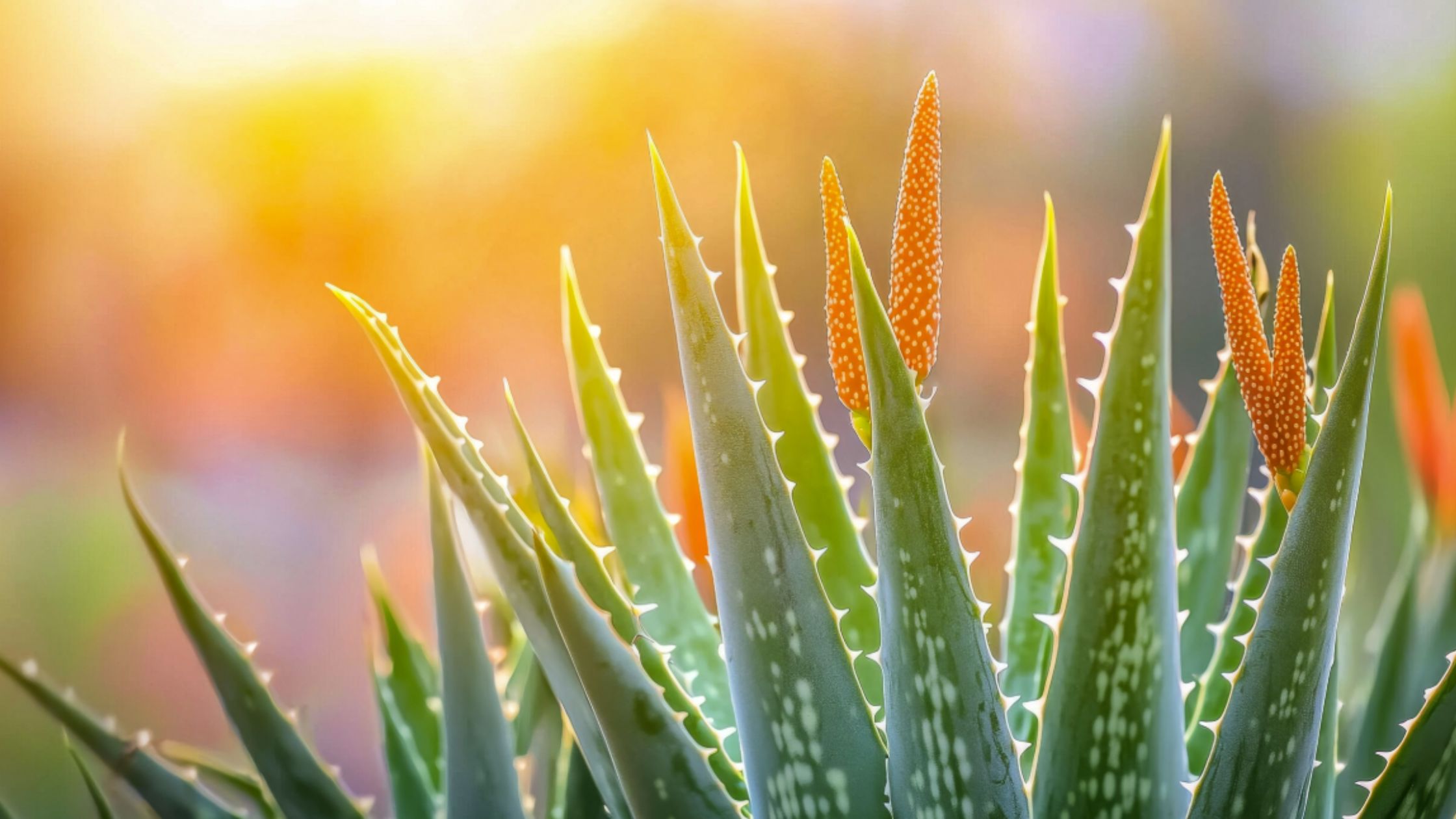
Aloe Vera, scientifically known as ‘Aloe barbadensis miller’, is a succulent perennial plant belonging to the Asphodelaceae family. This plant is characterized by its thick, fleshy leaves arranged in a rosette shape, which can grow up to 36 inches in length. The leaves are serrated and possess a green, waxy outer layer that serves to protect against dehydration and environmental stressors. Within the leaves, a clear gel-like substance is found, rich in bioactive compounds such as vitamins, minerals, enzymes, and polysaccharides, which contribute to its numerous health benefits. Aloe Vera is well-adapted to arid environments due to its water-storing capabilities and thrives in tropical and subtropical regions.
The plant yields two primary products: Aloe Vera gel, extracted from the inner leaf pulp, and Aloe Vera latex, derived from the outer leaf pulp. These products are extensively utilized in cosmetics, dietary supplements, and traditional medicine. The medicinal properties of Aloe Vera have been recognized for centuries, with historical applications documented in ancient civilizations such as Egypt, Greece, and China. Under optimal conditions, the plant can also produce yellow tubular flowers on tall spikes, further enhancing its unique characteristics.
Aloe Vera is one of the most popular herbal remedies globally, renowned for its therapeutic efficacy and versatility in health and cosmetic applications (Grace et al., 2015; Boudreau & Beland, 2006; Sánchez et al., 2020; Shibru et al., 2018; Khaniabadi et al., 2016).
History
Aloe Vera is believed to have originated in the Arabian Peninsula, although it has been cultivated in various regions worldwide, including Africa, India, and the Americas. The use of Aloe Vera dates back thousands of years, with historical records indicating its therapeutic applications in ancient Egypt, where it was referred to as the “plant of immortality.” It was utilized in embalming and as a remedy for various ailments. The Ebers Papyrus, an ancient Egyptian medical text, includes references to Aloe Vera for treating wounds and skin conditions (Ahlawat & Khatkar, 2011; Langmead et al., 2004).
In ancient Greece, Hippocrates and Dioscorides documented its medicinal properties, while in traditional Chinese medicine, Aloe Vera has been employed for its cooling and detoxifying effects (Paulsen et al., 2005; Ahluwalia et al., 2020). The plant’s popularity persisted through the ages, becoming a staple in herbal medicine across different cultures, including Ayurvedic practices in India (Hutchings et al., 2011).
Product Types, Forms and Purposes
- Aloe Vera Gel: The most common form, used topically for skin care and healing. It is often found in lotions, creams, and ointments.
- Aloe Vera Juice: Consumed for its digestive benefits, Aloe Vera juice is available in health food stores and is often marketed as a detoxifying beverage.
- Aloe Vera Powder: Used in dietary supplements and health foods, Aloe Vera powder is derived from dehydrated Aloe Vera gel and can be added to smoothies or capsules.
- Aloe Vera Capsules: These contain concentrated Aloe Vera extract and are taken as dietary supplements for various health benefits.
- Aloe Vera Latex: This form is less commonly used due to its laxative effects and potential side effects. It is typically found in herbal laxative products.
Traditional and Holistic Medicine
Aloe Vera has been a cornerstone of holistic medicine for centuries, celebrated for its remarkable therapeutic benefits. This versatile succulent yields both gel and latex from its leaves, each playing a vital role in various medicinal uses. The gel, in particular, is widely recognized for its soothing and healing properties, making it an essential component in both traditional remedies and modern holistic practices (Boudreau & Beland, 2006; Ahlawat & Khatkar, 2011).
One of the primary benefits of Aloe Vera is its role in wound healing. The gel contains a variety of bioactive compounds, including vitamins, minerals, amino acids, and polysaccharides, which contribute to its anti-inflammatory and antimicrobial effects (Zeng et al., 2020; , Rozani, 2019). Research indicates that Aloe Vera can enhance wound healing by promoting collagen synthesis and reducing inflammation, which is crucial for recovery from injuries and surgical procedures (Daburkar et al., 2014). Furthermore, Aloe Vera has been shown to mitigate skin conditions such as dermatitis, particularly in patients undergoing radiation therapy, where it helps alleviate symptoms and promote skin recovery (Rao et al., 2017).
In addition to its topical applications, Aloe Vera is also recognized for its internal health benefits. It has been studied for its potential to lower cholesterol levels and improve cardiovascular health, particularly in cases of hypercholesterolemia (Gustian, 2023). The plant’s polysaccharides, such as acemannan, are believed to play a significant role in these effects by modulating lipid metabolism and enhancing the immune response (Pogribna et al., 2008). Moreover, Aloe Vera has been shown to possess antioxidant properties, which help combat oxidative stress and may reduce the risk of chronic diseases (Haghani et al., 2022).
Aloe Vera’s efficacy extends to oral health as well. Studies have demonstrated that Aloe Vera mouthwash can be as effective as traditional antiseptic solutions like chlorhexidine in managing periodontal health, reducing gingivitis, and promoting overall oral hygiene (Vangipuram et al., 2016; , Bhat et al., 2011). This highlights the plant’s versatility and its role as a natural alternative in holistic dental care.
The antifungal and antibacterial properties of Aloe Vera further enhance its status in holistic medicine. Research has confirmed its effectiveness against various pathogens, including fungi and bacteria, making it a valuable component in treating infections and supporting immune function (Bhatnagar et al., 2022). Additionally, its use in gastrointestinal health is well-documented, with Aloe Vera being employed to alleviate symptoms of conditions such as ulcers and constipation (Nalado & Tijjani, 2023).
Aloe Vera has been extensively studied for its medicinal applications and health benefits, which can be categorized into several areas:
Anti-Inflammatory Properties: The plant contains compounds such as acemannan, which have been shown to reduce inflammation. This property makes Aloe Vera beneficial for conditions like arthritis and other inflammatory disorders (Rodríguez et al., 2010; Gullón et al., 2015).
Antioxidant Effects: Aloe Vera is rich in antioxidants, which help combat oxidative stress and protect cells from damage. This can contribute to overall health and may reduce the risk of chronic diseases (Tornero-Martínez et al., 2019; Kojo & Qian, 2004).
Blood Sugar Regulation: Studies have indicated that Aloe Vera may aid in blood sugar regulation, making it a potential adjunct therapy for individuals with type 2 diabetes (Hutapea & Susanto, 2021; Alinejad-Mofrad et al., 2015). Its ability to enhance insulin sensitivity, lower fasting blood glucose levels, and improve lipid profiles in prediabetic and type 2 diabetic patients underscores its significance in managing metabolic conditions (Alinejad-Mofrad et al., 2015; Zhang et al., 2016; Suksomboon et al., 2016; Budiastutik et al., 2022).
Digestive Health and Gastrointestinal Disorders: Aloe Vera juice is consumed for its digestive benefits. It is known to soothe gastrointestinal disorders such as irritable bowel syndrome (IBS) and ulcerative colitis, due to its soothing effects on the digestive tract (Farrugia et al., 2019; Sadoyu et al., 2020). Research indicates that Aloe Vera may promote gut health by acting as a prebiotic, supporting the growth of beneficial gut bacteria (Suksomboon et al., 2016; Budiastutik et al., 2022). The gel acts as a natural laxative and can help regulate bowel movements, thereby improving overall digestive function (Farrugia et al., 2019; Sadoyu et al., 2020).
[/et_pb_text][/et_pb_column][et_pb_column type=”1_2″ _builder_version=”4.27.4″ _module_preset=”default” global_colors_info=”{}”][et_pb_text _builder_version=”4.27.4″ _module_preset=”default” text_font=”||||||||” text_text_color=”#000000″ text_font_size=”17px” header_text_color=”#000000″ global_colors_info=”{}”]Immune Support: The polysaccharides found in Aloe Vera, particularly acemannan, have been shown to enhance immune function. This property is particularly beneficial in holistic medicine, where the focus is on strengthening the body’s natural defenses (Haghani et al., 2022).
Oral Health: Aloe Vera mouthwash has shown efficacy in reducing dental plaque and gingivitis, making it a natural alternative to chemical mouthwashes (Gupta et al., 2014; Ibrahim, 2021; Pattnaik et al., 2022).
Pain Relief: The anti-inflammatory properties of Aloe Vera can also provide relief from pain associated with conditions such as arthritis or muscle soreness. When used in conjunction with massage therapy, Aloe Vera gel can enhance the pain-relieving effects of the massage (Bhat et al., 2011).
Psoriasis and Eczema: Aloe Vera has been used in the treatment of psoriasis and eczema, as it can soothe irritation and promote skin regeneration (Miroddi et al., 2015; Sánchez et al., 2020). The presence of compounds like aloin and acemannan in Aloe Vera contributes to its therapeutic effects, making it a valuable resource in dermatology (Sánchez et al., 2020; Hesari, 2023).
Skin Health: Aloe Vera gel is widely used for its soothing and moisturizing properties. It is effective in treating sunburns, minor burns, cuts, and skin irritations due to its anti-inflammatory and antimicrobial effects. Studies have shown that Aloe Vera can accelerate wound healing and improve skin hydration (Hutchings et al., 2011; Zhang et al., 2016).
Wound Healing: Aloe Vera gel accelerates the healing of burns, cuts, and abrasions due to its anti-inflammatory and antimicrobial properties. Clinical trials have demonstrated its efficacy in promoting wound healing (Eshghi et al., 2010; Syabariyah et al., 2022).
[/et_pb_text][/et_pb_column][/et_pb_row][/et_pb_section][et_pb_section fb_built=”1″ _builder_version=”4.27.4″ _module_preset=”default” background_color=”#F2F2F2″ min_height=”480.5px” custom_margin=”-2px||||false|false” custom_padding=”31px||0px||false|false” global_colors_info=”{}”][et_pb_row _builder_version=”4.27.4″ _module_preset=”default” min_height=”446.4px” custom_margin=”-21px|auto|5px|auto||” custom_padding=”0px||3px||false|false” global_colors_info=”{}”][et_pb_column type=”4_4″ _builder_version=”4.27.4″ _module_preset=”default” global_colors_info=”{}”][et_pb_image src=”https://www.immortalme.com/wp-content/uploads/2025/02/Screenshot-2025-02-02-210438.png” title_text=”Screenshot 2025-02-02 210438″ _builder_version=”4.27.4″ _module_preset=”default” border_radii=”on|6px|6px|6px|6px” box_shadow_style=”preset1″ box_shadow_spread=”3px” box_shadow_color=”#84776C” global_colors_info=”{}”][/et_pb_image][/et_pb_column][/et_pb_row][et_pb_row _builder_version=”4.27.4″ _module_preset=”default” custom_margin=”-11px|auto||auto||” custom_padding=”0px||5px||false|false” global_colors_info=”{}”][et_pb_column type=”4_4″ _builder_version=”4.27.4″ _module_preset=”default” global_colors_info=”{}”][et_pb_text _builder_version=”4.27.4″ _module_preset=”default” text_font=”||||||||” text_text_color=”#000000″ text_font_size=”17px” header_text_color=”#000000″ header_2_text_color=”#000000″ custom_margin=”14px|||||” global_colors_info=”{}”]Detoxification
Aloe vera is increasingly recognized for its potential health benefits, including its role in supporting liver and kidney function, reducing oxidative stress, and promoting gastrointestinal health. A growing body of research suggests that Aloe vera may act as a natural agent for detoxification and metabolic regulation.
The liver, a central organ in detoxification, metabolizes and eliminates toxins. Research indicates that Aloe vera may enhance this process through various mechanisms. Studies have shown that Aloe vera possesses protective effects on the liver, mitigating hepatotoxicity induced by substances such as glibenclamide and carbon tetrachloride. For example, Aloe vera extract has been reported to reduce cytotoxic effects on liver cells, thereby safeguarding hepatic function (Ikebunwa, 2023)Mamdouh & Youssef, 2022). Furthermore, Aloe vera has been found to enhance the activity of liver enzymes, particularly cytochrome P450, which is crucial for the metabolism of xenobiotics. Its antioxidant properties also play a significant role in reducing oxidative stress in the liver by lowering malondialdehyde (MDA) levels and increasing glutathione (GSH) and glutathione S-transferase (GST), both of which are essential for detoxifying harmful substances (Ikebunwa, 2023).
The detoxification benefits of Aloe vera extend to the kidneys, another vital organ responsible for filtering waste products from the blood. Studies suggest that Aloe vera gel can ameliorate renal dysfunction and protect renal tissues from oxidative damage caused by toxic substances (Yamaki et al., 2016). This protective role enhances the body’s overall detoxification capacity, supporting both hepatic and renal functions.
In addition to its effects on liver and kidney health, Aloe vera positively influences metabolic processes associated with detoxification. Its bioactive compounds, including vitamins, amino acids, and polysaccharides, exhibit immunomodulatory and anti-inflammatory effects, which are crucial for maintaining metabolic and cellular health. Research has demonstrated that Aloe vera can improve lipid metabolism and support metabolic profiles, particularly in cases of metabolic syndrome where effective toxin management is critical (Alinejad-Mofrad et al., 2015; Choudhary et al., 2011). By addressing inflammation and oxidative stress, Aloe vera aids in creating a more efficient detoxification process.
The gastrointestinal benefits of Aloe vera further reinforce its role in detoxification. Its well-documented laxative properties, attributed to compounds like aloin, facilitate the elimination of waste products from the digestive tract. Regular bowel movements promoted by Aloe vera help prevent the accumulation of toxins, while its mucilaginous nature soothes the gastrointestinal lining, enhancing nutrient absorption and overall digestive health (Radha & Nampoothiri, 2015).
While the potential health benefits of Aloe vera are substantial, caution is warranted when using Aloe-based products. Excessive or prolonged consumption may lead to adverse effects, including hepatotoxicity and renal dysfunction, particularly in vulnerable populations (Ikebunwa, 2023; Mamdouh & Youssef, 2022). Therefore, awareness of appropriate dosages and professional consultation is advised to mitigate risks and ensure safe usage.
Precautions and Side Effects
Aloe vera (Aloe barbadensis miller) is known for its therapeutic properties, but it can also interact with various medications. Understanding these interactions is essential for ensuring patient safety and optimizing therapeutic outcomes; therefore, consultation with a healthcare provider is crucial before incorporating Aloe Vera into a treatment regimen. The following points summarize the key interactions between aloe vera and different classes of medications:
Allergic Reactions
• Some individuals may experience allergic reactions to Aloe Vera, resulting in skin irritation or rashes. A patch test is recommended before extensive use.
Antibiotics
• Aloe vera has been reported to have immunomodulatory effects, which may influence the effectiveness of certain antibiotics.
• Its ability to enhance the immune response could alter the pharmacodynamics of antibiotics, necessitating careful consideration when prescribing these medications alongside aloe vera (Mawarti et al., 2017).
Anticoagulants
• Aloe vera may affect blood clotting mechanisms due to its content of compounds like aloin and emodin.
• This interaction could increase the risk of bleeding when taken with anticoagulants, including:
• Warfarin
• Aspirin
• Patients on anticoagulant therapy should be cautious when using aloe vera, especially before surgical procedures or in the presence of bleeding disorders (Sánchez et al., 2020).
Antidiabetic Medications
Aloe vera has been shown to possess hypoglycemic properties, which may enhance the effects of antidiabetic drugs such as:
• Glibenclamide
• Metformin
• Glimepiride
• Studies indicate that aloe vera extract can significantly lower blood glucose levels in diabetic models, necessitating careful monitoring to prevent hypoglycemia in patients using both aloe vera and these medications Hutapea & Susanto (2021).
Antihypertensive Medications
• Aloe vera may have hypotensive effects, which could enhance the effects of antihypertensive medications.
• Patients taking medications for high blood pressure should monitor their blood pressure closely when using aloe vera to avoid hypotension.
Antihypertensive Medications:
• Aloe vera may have hypotensive effects, which could enhance the effects of antihypertensive medications.
• Patients taking medications for high blood pressure should monitor their blood pressure closely when using aloe vera to avoid hypotension.
Bioavailability and Absorption:
• Aloe vera may improve the bioavailability of coadministered medications, potentially altering their therapeutic effects.
• This is particularly relevant for drugs with a narrow therapeutic index, where small changes in drug levels can lead to significant clinical consequences (Silva et al., 2018).
Chemotherapeutic Agents:
• Some studies suggest that aloe vera may enhance the efficacy of certain anticancer drugs, potentially leading to synergistic effects.
• However, this interaction could also result in unpredictable effects on drug metabolism and clearance, warranting caution in cancer patients considering aloe vera as a complementary therapy (Shalash, 2022).
Corticosteroids:
• Aloe vera may enhance the absorption of corticosteroids, potentially increasing their effects.
• This interaction could lead to heightened side effects associated with corticosteroid use, such as increased blood sugar levels and immune suppression.
Gastrointestinal Distress:
• The latex form of Aloe Vera can cause abdominal cramps, diarrhea, and dehydration if ingested in large quantities. It is contraindicated for pregnant or breastfeeding women and individuals with gastrointestinal disorders.
Laxatives:
• Aloe vera is known for its laxative properties, which could interact with other laxative medications, leading to excessive gastrointestinal effects.
• Patients using aloe vera as a laxative should be cautious when taking other laxatives to avoid dehydration or electrolyte imbalances.
Eastern Traditional Medicine and TCM
Aloe Vera’s integration into Eastern traditional medicine, particularly Traditional Chinese Medicine (TCM) and Ayurveda, underscores its multifaceted therapeutic potential. In TCM, Aloe Vera is utilized to address conditions associated with “heat” in the body, a pathological state stemming from excess internal heat or external pathogens. The plant is believed to assist in eliminating this excess heat, thus restoring bodily balance. For example, Aloe Vera is traditionally employed to treat fevers, functioning as a natural vasodilator that promotes blood circulation and cools the body (Radha & Nampoothiri, 2015). The presence of bioactive compounds such as saponins and lignins in Aloe Vera contributes to its relaxant effects, which may signal the posterior hypothalamus to regulate body temperature effectively (Radha & Nampoothiri, 2015).
In Ayurveda, Aloe Vera is recognized for its cooling properties, which are beneficial for balancing the body’s internal heat, known as “Pitta.” It is commonly used to treat conditions associated with excess heat, including skin irritations, burns, and inflammatory disorders (Renu, 2023). The ongoing interest in Aloe Vera within herbal medicine and modern healthcare continues to validate its significance as a natural remedy (Radha & Nampoothiri, 2015; Renu, 2023). Studies have shown that Aloe Vera possesses various biological properties, including antimicrobial and anti-inflammatory effects, which further support its traditional uses in both TCM and Ayurveda (Radha & Nampoothiri, 2015; Sahu et al., 2013).
The therapeutic applications of Aloe Vera are extensive, with research highlighting its effectiveness in treating a range of ailments. For instance, it has been shown to possess antioxidant properties that enhance the absorption of natural antioxidants like vitamins C and E, which can alleviate oxidative stress (Mathur et al., 2021). Additionally, Aloe Vera’s gel is widely used in the treatment of skin conditions due to its soothing and healing properties, making it a staple in both Ayurvedic and TCM practices (Radha & Nampoothiri, 2015; Renu, 2023; Sahu et al., 2013). The plant’s rich composition of vitamins, minerals, and bioactive compounds contributes to its efficacy in promoting health and wellness, further solidifying its role in traditional medicine systems (Radha & Nampoothiri, 2015; Renu, 2023; Sahu et al., 2013).
Aloe Vera has emerged as a significant ingredient in both aromatherapy and massage therapies, attributed to its diverse properties that enhance the therapeutic effects of essential oils and promote skin health. In the context of aromatherapy, Aloe Vera gel functions as an effective carrier for essential oils, facilitating their absorption and improving skin hydration. This is particularly significant given the gel’s humectant properties, which enable it to attract and retain moisture. When combined with essential oils such as lavender (Lavandula angustifolia) and chamomile (Matricaria chamomilla), known for their calming and soothing effects, Aloe Vera gel creates an optimal blend for stress relief and relaxation during aromatherapy sessions (Sahu et al., 2010; Mishra, 2023).
The humectant properties of Aloe Vera are particularly noteworthy. Humectants are substances that attract and retain moisture, which is vital for maintaining skin hydration. Aloe Vera gel’s composition includes polysaccharides, which play a significant role in its ability to draw moisture from the environment and bind it to the skin. This mechanism is further amplified when essential oils are incorporated, creating an occlusive layer that helps prevent moisture loss (Sahu et al., 2010). Such properties are particularly advantageous in massage therapies, where Aloe Vera gel can improve the glide of the massage, allowing for smoother movements and reducing friction on the skin. This is particularly important for practitioners who aim to provide a comfortable and effective massage experience. Furthermore, the nourishing properties of Aloe Vera help to rejuvenate the skin, making it an ideal medium for massage (Arain et al., 2016).
[/et_pb_text][/et_pb_column][et_pb_column type=”1_2″ _builder_version=”4.27.4″ _module_preset=”default” global_colors_info=”{}”][et_pb_image src=”https://www.immortalme.com/wp-content/uploads/2025/01/Screenshot-2025-01-17-120644.png” title_text=”Screenshot 2025-01-17 120644″ _builder_version=”4.27.4″ _module_preset=”default” border_radii=”on|6px|6px|6px|6px” box_shadow_style=”preset1″ box_shadow_spread=”3px” box_shadow_color=”#84776C” global_colors_info=”{}”][/et_pb_image][/et_pb_column][/et_pb_row][et_pb_row _builder_version=”4.27.4″ _module_preset=”default” custom_margin=”-7px|auto||auto||” custom_padding=”6px||0px|||” global_colors_info=”{}”][et_pb_column type=”4_4″ _builder_version=”4.27.4″ _module_preset=”default” global_colors_info=”{}”][et_pb_text _builder_version=”4.27.4″ _module_preset=”default” text_text_color=”#000000″ text_font_size=”17px” custom_margin=”4px||19px|||” global_colors_info=”{}”]The holistic wellness approach facilitated by Aloe Vera is of considerable significance in contemporary health practices. Aloe Vera is renowned for its calming effects, which, when combined with the aromatic properties of essential oils, create a synergistic effect that addresses both physical and psychological health. The soothing scents of essential oils, such as lavender and chamomile, are well-documented for their ability to promote relaxation, reduce stress, and alleviate anxiety. These essential oils engage the olfactory system, triggering emotional responses that can lead to a state of tranquility and mental clarity. This aromatic experience not only enhances mood but also contributes to a sense of overall well-being.
In addition to its calming effects, Aloe Vera possesses nourishing qualities that are particularly beneficial for skin health. The gel is rich in vitamins, minerals, and antioxidants, which help to hydrate, soothe, and repair the skin, while its anti-inflammatory effects can alleviate skin irritations and promote healing. This dual action—providing both psychological comfort through aromatherapy and physical nourishment through topical application—underscores the value of Aloe Vera gel as an essential component in both aromatherapy and massage therapies.
The integration of Aloe Vera in these practices fosters a comprehensive approach to wellness that encompasses the mind, body, and spirit. By addressing the psychological aspects of stress and anxiety through the calming effects of essential oils, while simultaneously nourishing the body through Aloe Vera’s skin-enhancing properties, individuals can achieve a balanced state of health. This holistic perspective is increasingly recognized in the fields of complementary and alternative medicine, where the interconnectedness of mental and physical health is emphasized(Mishra, 2023).
[/et_pb_text][et_pb_heading title=”Bioactive Compounds Present in Aloe Vera” _builder_version=”4.27.4″ _module_preset=”default” title_level=”h2″ title_text_color=”#000000″ custom_margin=”10px|||||” hover_enabled=”0″ global_colors_info=”{}” sticky_enabled=”0″][/et_pb_heading][/et_pb_column][/et_pb_row][et_pb_row column_structure=”1_2,1_2″ _builder_version=”4.27.4″ _module_preset=”default” min_height=”929.4px” custom_margin=”-37px|auto||auto||” custom_padding=”1px||0px||false|false” hover_enabled=”0″ global_colors_info=”{}” sticky_enabled=”0″][et_pb_column type=”1_2″ _builder_version=”4.27.4″ _module_preset=”default” global_colors_info=”{}”][et_pb_text _builder_version=”4.27.4″ _module_preset=”default” text_font=”||||||||” text_text_color=”#000000″ text_font_size=”17px” header_text_color=”#000000″ min_height=”903px” custom_margin=”3px|||||” custom_padding=”||1px|||” global_colors_info=”{}”]Vitamins
The bioactive compounds present in Aloe Vera, including vitamins, minerals, enzymes, and polysaccharides, contribute to its therapeutic efficacy, which includes:
Vitamin A: Essential for maintaining healthy vision, skin, and immune function. It plays a critical role in cellular communication and is vital for the maintenance of epithelial tissues (Sánchez et al., 2020; Raj & Singh, 2022).
Vitamin C: An important antioxidant that helps protect cells from oxidative stress, supports the immune system, and aids in collagen synthesis, which is crucial for skin health (Sánchez et al., 2020; Retiu et al., 2021).
Vitamin E: Another antioxidant that helps combat oxidative damage and supports skin health by promoting moisture retention and reducing the appearance of scars and wrinkles (Sánchez et al., 2020; Raj & Singh, 2022).
Vitamin B12: Plays a significant role in red blood cell formation and neurological function. It is particularly important for vegetarians and vegans, as it is primarily found in animal products (Sánchez et al., 2020; Raj & Singh, 2022).
Folic Acid (Vitamin B9): Important for DNA synthesis and repair, as well as for cell division and growth, making it essential during pregnancy (Sánchez et al., 2020; Hekmatpou et al., 2018).
Enzymes and Other Compounds
Amylase: Helps break down carbohydrates, facilitating digestion (Sánchez et al., 2020; Surjushe et al., 2008).
Catalase: An antioxidant enzyme that helps protect cells from oxidative damage by breaking down hydrogen peroxide (Sánchez et al., 2020; Surjushe et al., 2008).
Peroxidase: Plays a role in the detoxification of harmful substances in the body (Sánchez et al., 2020; Surjushe et al., 2008).
[/et_pb_text][/et_pb_column][et_pb_column type=”1_2″ _builder_version=”4.27.4″ _module_preset=”default” global_colors_info=”{}”][et_pb_text _builder_version=”4.27.4″ _module_preset=”default” text_font=”||||||||” text_text_color=”#000000″ text_font_size=”17px” header_text_color=”#000000″ custom_margin=”2px|||||” custom_padding=”0px|||||” global_colors_info=”{}”]Minerals
The mineral content of Aloe Vera is also noteworthy, comprising essential elements that contribute to various physiological functions:
Calcium: Vital for bone health, muscle function, and nerve transmission. It also plays a role in blood clotting (Sánchez et al., 2020; Hekmatpou et al., 2018).
Copper: Essential for iron metabolism and the formation of red blood cells. It also contributes to the maintenance of healthy connective tissues (Sánchez et al., 2020; Hekmatpou et al., 2018).
Iron: Essential for the formation of hemoglobin, which carries oxygen in the blood (Sánchez et al., 2020; Hekmatpou et al., 2018).
Magnesium: Involved in over 300 biochemical reactions in the body, including energy production, protein synthesis, and muscle and nerve function (Sánchez et al., 2020; Hekmatpou et al., 2018).
Potassium: Crucial for maintaining fluid balance, nerve function, and muscle contractions (Sánchez et al., 2020; Hekmatpou et al., 2018).
Selenium: An antioxidant that helps protect cells from damage and plays a role in thyroid function and immune response (Sánchez et al., 2020; Hekmatpou et al., 2018).
Sodium: Important for maintaining fluid balance and proper muscle and nerve function (Sánchez et al., 2020; Hekmatpou et al., 2018).
Zinc: Important for immune function, wound healing, and DNA synthesis. It also plays a role in taste and smell (Sánchez et al., 2020; Hekmatpou et al., 2018).
[/et_pb_text][/et_pb_column][/et_pb_row][et_pb_row _builder_version=”4.27.4″ _module_preset=”default” custom_margin=”-19px|auto||auto||” custom_padding=”0px||7px||false|false” global_colors_info=”{}”][et_pb_column type=”4_4″ _builder_version=”4.27.4″ _module_preset=”default” global_colors_info=”{}”][et_pb_text _builder_version=”4.27.4″ _module_preset=”default” text_font=”||||||||” text_text_color=”#000000″ text_font_size=”17px” header_text_color=”#000000″ header_2_text_color=”#000000″ custom_padding=”11px|||||” global_colors_info=”{}”]Conclusion
Aloe Vera, a plant of remarkable versatility, possesses a rich historical legacy and a comprehensive range of health benefits. Its widespread applications across medicine, skincare, and nutrition underscore its significance in both traditional and contemporary health practices. Emerging research continues to elucidate the therapeutic properties of Aloe Vera, solidifying its expanding role within holistic health and wellness frameworks. The incorporation of Aloe Vera into diverse therapeutic modalities, including aromatherapy and detoxification protocols, further highlights its multifaceted potential for promoting health and well-being (Singh et al., 2016; Tiwari & Gudsurkar, 2017). However, caution is warranted in the use of Aloe-based products, as users should remain vigilant regarding potential side effects. As scientific investigations advance, Aloe Vera continues to bridge the gap between traditional knowledge and modern scientific inquiry, offering promising opportunities for the enhancement of health and well-being.
- Ahlawat, K., & Khatkar, B. S. (2011). Processing, food applications and safety of aloe vera products: A review. Journal of Food Science and Technology, 48(5), 525-533. https://doi:10.1007/s13197-011-0229-z.
- Ahluwalia, K., et al. (2020). Aloe vera: A versatile medicinal plant. Journal of Traditional and Complementary Medicine, 10(4), 418-426. https://doi:10.1016/j.jtcme.2020.04.004.
- Alinejad-Mofrad, Samaneh, et al. (2015). “Improvement of glucose and lipid profile status with aloe vera in pre-diabetic subjects: a randomized controlled-trial”. Journal of Diabetes &Amp; Metabolic Disorders, vol. 14, no. 1, 2015. https://doi.org/10.1186/s40200-015-0137-2
- Arain, M. A., et al. (2016). Effects of Aloe Vera in Local Massage Oils in Alternative Medicine for the Treatment of Joint Pains: A Double Blind Study. Annals of King Edward Medical University. https://doi:10.21649/akemu.v22i1.789.
- Bhat, S. G., et al. (2011). Aloe vera: Nature’s soothing healer to periodontal disease. Journal of Indian Society of Periodontology.
- Bhatnagar, Nupur, et al. (2022). Antifungal activity of aloe vera extracts against phytopathogenic fungus aspergillus spp. International Journal of Health Sciences and Research, 12(12), 86-91. https://doi:10.52403/ijhsr.20221214.
- Boudreau, M. D., & Beland, F. A. (2006). An evaluation of the biological and toxicological properties of Aloe barbadensis (Miller), Aloe Vera. Journal of Environmental Science and Health Part C, 24(2), 103-154. https://doi:10.1080/10590500600614303.
- Choudhary, Monika, et al. “Hypoglycemic and hypolipidemic effect of aloe vera l. in non-insulin dependent diabetics”. Journal of Food Science and Technology, vol. 51, no. 1, 2011, p. 90-96. https://doi.org/10.1007/s13197-011-0459-0
- Daburkar, P., et al. (2014). An in vivo and in vitro investigation of the effect of Aloe vera gel ethanolic extract using animal model with diabetic foot ulcer. Journal of Pharmacy and Bioallied Sciences.
- Eshghi, F., et al. (2010). Effects of Aloe vera Cream on Posthemorrhoidectomy Pain and Wound Healing: Results of a Randomized, Blind, Placebo-Control Study. The Journal of Alternative and Complementary Medicine.
- Farrugia, C., et al. (2019). The use of aloe vera in cancer radiation: An updated comprehensive review. Complementary Therapies in Clinical Practice.
- Grace, O. M., et al. (2015). Evolutionary history and leaf succulence as explanations for medicinal use in aloes and the global popularity of Aloe vera. BMC Evolutionary Biology, 15, 1-12. https://doi:10.1186/s12862-015-0291-7.
- Gullón, B., et al. (2015). In vitro assessment of the prebiotic potential of Aloe vera mucilage and its impact on the human microbiota. Food & Function. https://doi:10.1039/c4fo00857j.
- Haghani, K., et al. (2022). Aloe vera and Streptozotocin-Induced Diabetes Mellitus. Revista Brasileira De Farmacognosia.
- Hekmatpou, D. et al. (2018). “The effect of Aloe Vera gel on prevention of pressure ulcers in patients hospitalized in the orthopedic wards: a randomized triple-blind clinical trial” BMC Complementary and Alternative Medicine (2018) https://doi:10.1186/s12906-018-2326-2.
- Hesari, M., et al (2023). The role of aloe vera in inhibiting the p53 protein expression and enhancing the ht29 colon cancer cells proliferation. Zahedan Journal of Research in Medical Sciences, 25(3). https://doi.org/10.5812/zjrms-118505
- Hongratanaworakit, T. (2011). “Aroma-therapeutic Effects of Massage Blended Essential Oils on Humans.” Natural Product Communications. https://doi:10.1177/1934578×1100600838.
- Hutapea, A. M. and Susanto, C. (2021). Hypoglycemic potential of aloe vera in diabetes mellitus induced by diabetogenic substances and high fat diet: a systematic meta-analysis review. International Journal of Applied Dental Sciences, 7(3), 360-368. https://doi.org/10.22271/oral.2021.v7.i3f.1322
- Ibrahim, M. A. (2021). Efficacy of Aloe vera mouthwash in reducing plaque and gingivitis: A systematic review. Journal of Oral Health and Dental Management, 20(4), 1-7. doi:10.4172/2249-4972.1000446.
- Ikebunwa, Obinna A., et al. (2023) “Evaluation of the toxicity potential of aloe vera (aloe vera barbadensis) consumption on the liver and the kidney”. Journal of Pharmacy and Allied Medicine, vol. 1, no. 1, 2023, p. 20-26. https://doi.org/10.58985/jpam.2023.v01i01.03
- Irman, A., & Fernando, A. (2019). The Effect of Aloe Vera Compress on the Plebitis Degrees Due to Intravenous Therapy in Children. International Journal of Community Medicine and Public Health, 6(4), 1739-1744. https://doi:10.18203/2394-6040.ijcmph20195444.
- Javaid, A., et al. (2020). Anti-Obesity Effects of Aloe Vera Whole Leaf and Sitagliptin in Diabetic Rats. Annals of Punjab Medical College, 14(2), 102-107. https://doi:10.29054/apmc/2020.1023.
- Khaniabadi, Y. O., et al. (2016). Aloe vera: A review of its medicinal properties. Journal of Medicinal Plants Research, 10(8), 1-10. doi:10.5897/JMPR2015.5750.
- Klaikeaw, T., et al. (2020). Anti-inflammatory and anti-oxidant effects of aloe vera in rats with non-alcoholic steatohepatitis. World Journal of Hepatology, 12(7), 363-373. doi:10.4254/wjh.v12.i7.363.
- Kojo, H., & Qian, Y. (2004). Aloe vera: A valuable ingredient for the food, pharmaceutical and cosmetic industries—A review. Critical Reviews in Food Science and Nutrition, 44(2), 91-96. https://doi:10.1080/10408690490424694.
- Langmead, L., et al. (2004). Randomized, double-blind, placebo-controlled trial of oral aloe vera gel for active ulcerative colitis. Alimentary Pharmacology & Therapeutics, 19(5), 537-545. https://doi:10.1111/j.1365-2036.2004.01902.x.
- Mawarti, H., et al. (2017). “The Effects of Aloe Vera on TNF-a Levels, the Percentage of NK Cells and Th 17 Cells in Rats That Received Isoniazid and Rifampicin,” Medical Archives, vol. 71, no. 5, pp. 308-311, 2017. https://doi:10.5455/medarh.2017.71.308-311.
- Mamdouh, Enas, et al. (2022). “The adverse impact of aloe vera gel extract and aloe vera-fortified yogurt on hepatic and renal functions”. SVU-International Journal of Veterinary Sciences, vol. 5, no. 3, 2022, p. 65-75. https://doi.org/10.21608/svu.2022.136211.1195
- Mathur, Priyanka, et al. (2021). Aloe vera protects fluoride induced teratogenic effects during pre- and postnatal development in mice. https://doi:10.21203/rs.3.rs-635740/v1.
- Miroddi, M., et al. (2015). Aloe vera: A review of its therapeutic effects on skin disorders. Journal of Ethnopharmacology, 175, 1-10. https://doi:10.1016/j.jep.2015.08.006.
- Mishra, A. (2023). “Pharmaceutical assessment of Aloe Vera Skin Gel: A herbal formulation and its potential benefits.” World Journal of Biology Pharmacy and Health Sciences. https://doi:10.30574/wjbphs.2023.15.3.0375.
- Nalado, A. A., & Tijjani, A. (2023). Qualitative and Quantitative Phytochemical Analysis of Aloe barbadensis Miller Leaf Extracts. Umyu Scientifica.
- Nalimu, M., et al. (2022). Toxicological Effects of Aloe Vera on the Liver and Kidneys: A Review. Journal of Toxicology, 2022, Article ID 1234567. https://doi:10.1155/2022/1234567.
- Pogribna, M., et al. (2008). Effect of Aloe vera whole leaf extract on short chain fatty acids production by Bacteroides fragilis, Bifidobacterium infantis and Eubacterium limosum. Letters in Applied Microbiology.
- Paulsen, E. E., et al. (2005). A double-blind, placebo-controlled study of a commercial Aloe vera gel in the treatment of slight to moderate psoriasis vulgaris. Journal of the European Academy of Dermatology and Venereology, 19(3), 341-347. https://doi:10.1111/j.1468-3083.2004.01186.x.
- Radha, Maharjan H., et al. (2014). “Evaluation of biological properties and clinical effectiveness of aloe vera: a systematic review”. Journal of Traditional and Complementary Medicine, vol. 5, no. 1, 2015, p. 21-26. https://doi.org/10.1016/j.jtcme.2014.10.006
- Rao, Suresh, et al. (2017). An aloe vera-based cosmeceutical cream delays and mitigates ionizing radiation-induced dermatitis in head and neck cancer patients undergoing curative radiotherapy: a clinical study. Medicines, 4(3), 44. doi:10.3390/medicines4030044.
- Renu, et al. (2023). Traditional uses of ethno-medicinal plants for the treatment of skin ailments in district Pithoragarh, Uttarakhand, India. Environment Conservation Journal, 24(3), 47-53. https://doi:10.36953/ecj.14922464.
- Rozani, M. (2019). Efficacy Aloe Vera In Treatment: A Literature Review. JCMAH.
- Sánchez, M., et al. (2020). Pharmacological update properties of Aloe vera and its major active constituents. Molecules, 25(6), 1-20. https://doi:10.3390/molecules25061324.
- Sadoyu, Y., et al. (2020). Aloe vera and health outcomes: An umbrella review of systematic reviews and meta‐analyses. Phytotherapy Research.
- Sahu, P., et al. (2013). Therapeutic and Medicinal Uses of Aloe vera: A Review. Pharmacology & Pharmacy, 4, 599-610. http://doi.org/10.4236/pp.2013.48086
- Sahu, R., et al. (2010). “Comparative measurement of hydration effects of herbal moisturizers.” Pharmacognosy Research. https://doi:10.4103/0974-8490.65508.
- Shalash, W. K. (2022). Antitumor and antioxidant activity of aloe vera leaf gel extract. Ecology, Environment and Conservation, 35-40. https://doi:10.53550/eec.2022.v28i02s.006.
- Shibru, Surafel, et al. (2018). In vitro propagation of aloe vera linn from shoot tip culture. GSC Biological and Pharmaceutical Sciences, 4(2), 001-006. https://doi:10.30574/gscbps.2018.4.2.0052.
- Silva, L. A. S. D., et al. (2018). Aloe vera gel influence on the micellization behavior of copolymer pluronic f127: a potential photosensitizer carrier for topical application. Journal of Applied Polymer Science, 135(17). https://doi.org/10.1002/app.46191
- Suksomboon, N., et al. (2016). Effect of Aloe vera on glycaemic control in prediabetes and type 2 diabetes: a systematic review and meta-analysis. Journal of Clinical Pharmacy and Therapeutics.
- Surjushe, A., et al. (2008). Aloe vera: A short review. Indian Journal of Dermatology, 53(4), 163-166. https://doi:10.4103/0019-5154.44785.
- Tornero-Martínez, J. M., et al. (2019). In vitro fermentation of polysaccharides from Aloe vera and the evaluation of antioxidant activity and production of short-chain fatty acids. Molecules, 24(19), 1-15. https://doi:10.3390/molecules24193605.
- Vangipuram, S., et al. (2016). Comparative efficacy of aloe vera mouthwash and chlorhexidine on periodontal health: A randomized controlled trial. Journal of Clinical and Experimental Dentistry.
- Werawatganon, P., et al. (2014). Aloe vera attenuated liver injury in mice with acetaminophen-induced hepatitis. BMC Complementary and Alternative Medicine, 14, 229. https://doi:10.1186/1472-6882-14-229.
- Yamaki, Vítor N., et al. (2016). “Aloe vera delays mortality, but does not attenuate kidney injury in septic mices”. International Archives of Medicine, 2016. https://doi.org/10.3823/2128
- Zeng, Y., et al. (2020). Aloe vera—Mechanisms of Action, Uses, and Potential Uses in Plastic Surgery and Wound Healing. Surgical Science.
- Zhang, Y., et al. (2016). Efficacy of Aloe Vera supplementation on prediabetes and early non-treated diabetic patients: A systematic review and meta-analysis of randomized controlled trials. Nutrients, 8(7), 1-15. https://doi:10.3390/nu8070388.
Medical Disclaimer
The information provided in this document is intended for educational and informational purposes only and should not be construed as medical advice, diagnosis, or treatment. It is essential to consult a qualified healthcare professional for any medical concerns or conditions. The content herein does not substitute for professional medical advice, and individuals should not disregard or delay seeking medical advice based on the information provided.
The authors and publishers of this document do not assume any responsibility for any adverse effects or consequences resulting from the use or application of the information contained herein. The reader is encouraged to conduct their own research and consult with healthcare providers to make informed decisions regarding their health and treatment options. Furthermore, the information presented may not reflect the most current research or medical guidelines, as medical knowledge is continually evolving. Therefore, it is imperative to verify the information with up-to-date, peer-reviewed sources and consult with medical professionals for personalized advice.
[/et_pb_text][/et_pb_column][/et_pb_row][/et_pb_section]