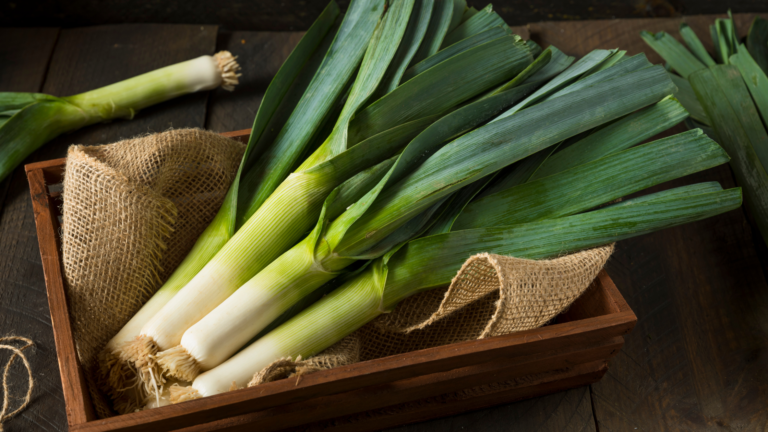
Collard Greens
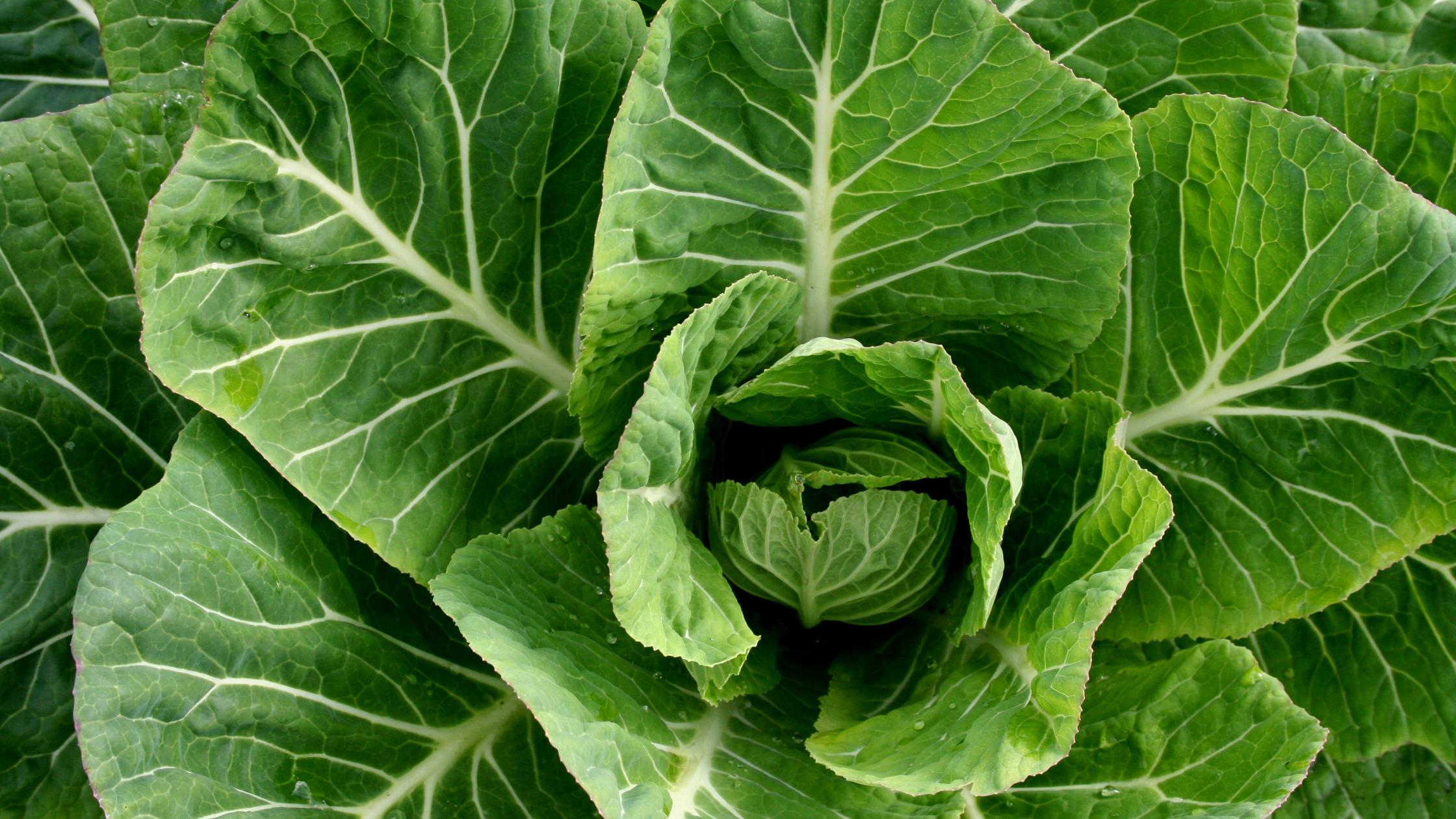
In the realm of leafy greens, collard greens stand out as a nutritional powerhouse, cherished for their robust flavor and numerous health benefits. Belonging to the Brassica oleracea species, collard greens boast a rich history dating back centuries. From their origins in the Eastern Mediterranean region to their widespread cultivation and consumption globally, these vibrant green leaves have woven themselves into the culinary and medicinal tapestry of various cultures.
[/et_pb_text][et_pb_heading title=”History” _builder_version=”4.27.4″ _module_preset=”default” custom_margin=”||10px||false|false” hover_enabled=”0″ global_colors_info=”{}” title_level=”h2″ title_text_color=”#000000″ sticky_enabled=”0″][/et_pb_heading][et_pb_text _builder_version=”4.27.4″ _module_preset=”default” text_text_color=”#000000″ text_font_size=”17px” hover_enabled=”0″ global_colors_info=”{}” sticky_enabled=”0″ custom_padding=”||0px|||” min_height=”116px” custom_margin=”||24px|||”]The story of collard greens traces back to ancient times, with their cultivation believed to have originated in the Eastern Mediterranean region. Ancient Greeks and Romans valued collard greens for their nutritional density and therapeutic properties. Their cultivation spread across continents, with Africans and Europeans embracing them in their cuisines. Over time, collards became a staple in the diets of various cultures, especially in the southern United States.
[/et_pb_text][et_pb_heading title=”Health Benefits” _builder_version=”4.27.4″ _module_preset=”default” custom_margin=”-25px||10px||false|false” custom_padding=”||||false|false” hover_enabled=”0″ global_colors_info=”{}” title_level=”h2″ title_text_color=”#000000″ sticky_enabled=”0″][/et_pb_heading][et_pb_text _builder_version=”4.27.4″ _module_preset=”default” text_text_color=”#000000″ text_font_size=”17px” global_colors_info=”{}”]Collard greens owe their health-promoting properties to a myriad of bioactive compounds, including vitamins, minerals, and phytonutrients. These compounds exert antioxidant, anti-inflammatory, and detoxifying effects within the body. Sulforaphane, a potent antioxidant found abundantly in collard greens, has garnered attention for its ability to combat oxidative stress and reduce the risk of chronic diseases such as cancer and cardiovascular disorders. The consumption of collard greens offers a plethora of health benefits. Rich in vitamins A, C, and K, as well as calcium, folate, and fiber, they support immune function, bone health, and digestion. Their high antioxidant content helps neutralize free radicals, protecting cells from damage and reducing inflammation. Regular consumption of collard greens has been linked to lowered blood pressure, improved cholesterol levels, and reduced risk of certain cancers.
[/et_pb_text][/et_pb_column][/et_pb_row][/et_pb_section][et_pb_section fb_built=”1″ _builder_version=”4.27.4″ _module_preset=”default” background_color=”#F2F2F2″ custom_padding=”30px||0px||false|false” global_colors_info=”{}” custom_margin=”-8px||-1px|||” min_height=”778.3px”][et_pb_row _builder_version=”4.27.4″ _module_preset=”default” custom_padding=”7px||3px|||” custom_margin=”-18px|auto||auto||”][et_pb_column _builder_version=”4.27.4″ _module_preset=”default” type=”4_4″][et_pb_heading title=”Best Preparation Methods” _builder_version=”4.27.4″ _module_preset=”default” title_level=”h2″ title_text_color=”#000000″ hover_enabled=”0″ sticky_enabled=”0″][/et_pb_heading][/et_pb_column][/et_pb_row][et_pb_row column_structure=”2_3,1_3″ _builder_version=”4.27.4″ _module_preset=”default” custom_padding=”5px||14px|||” global_colors_info=”{}” custom_margin=”4px|auto||auto||”][et_pb_column type=”2_3″ _builder_version=”4.27.4″ _module_preset=”default” global_colors_info=”{}”][et_pb_text _builder_version=”4.27.4″ _module_preset=”default” text_text_color=”#000000″ text_font_size=”17px” global_colors_info=”{}”]Collard greens, a staple in Southern cuisine, can be prepared and cooked using various methods that enhance their nutritional value and flavor. Common preparation techniques include chopping and sautéing, which have been shown to increase the bioavailability of carotenoids and other nutrients in collard greens by breaking down cell walls and releasing nutrients from their plant matrix. Cooking methods such as steaming and pressure cooking are particularly effective; steaming results in minimal mineral loss (0% – 14%) compared to boiling, which can lead to a significant reduction (10% – 35%) in mineral content. Additionally, sautéing collard greens in oil not only improves flavor but also aids in the absorption of fat-soluble vitamins. The cooking time is also crucial; for instance, pressure cooking for about 10 minutes retains a higher percentage of ascorbic acid compared to longer open-pan cooking methods.
[/et_pb_text][et_pb_image src=”https://www.immortalme.com/wp-content/uploads/2025/02/Screenshot-2025-02-18-103104-1.png” title_text=”Screenshot 2025-02-18 103104″ _builder_version=”4.27.4″ _module_preset=”default” hover_enabled=”0″ border_radii=”on|6px|6px|6px|6px” box_shadow_style=”preset1″ global_colors_info=”{}” sticky_enabled=”0″ custom_margin=”-10px|||||” box_shadow_spread=”3px” box_shadow_color=”#84776C”][/et_pb_image][/et_pb_column][et_pb_column type=”1_3″ _builder_version=”4.27.4″ _module_preset=”default” global_colors_info=”{}”][et_pb_image src=”https://www.immortalme.com/wp-content/uploads/2025/01/Collard-Greens.png” title_text=”Collard Greens” _builder_version=”4.27.4″ _module_preset=”default” hover_enabled=”0″ box_shadow_style=”preset1″ global_colors_info=”{}” border_radii=”on|6px|6px|6px|6px” box_shadow_spread=”3px” box_shadow_color=”#84776C” sticky_enabled=”0″][/et_pb_image][/et_pb_column][/et_pb_row][/et_pb_section][et_pb_section fb_built=”1″ _builder_version=”4.27.4″ _module_preset=”default” custom_padding=”30px||2px|||” hover_enabled=”0″ global_colors_info=”{}” custom_margin=”1px|||||” background_color=”#F2F2F2″ sticky_enabled=”0″][et_pb_row _builder_version=”4.27.4″ _module_preset=”default” custom_padding=”7px||13px|||” global_colors_info=”{}” custom_margin=”-21px|auto||auto||”][et_pb_column type=”4_4″ _builder_version=”4.27.4″ _module_preset=”default” global_colors_info=”{}”][et_pb_heading title=”Precautions and Possible Side Effects” _builder_version=”4.27.4″ _module_preset=”default” custom_margin=”||10px||false|false” global_colors_info=”{}”][/et_pb_heading][et_pb_text _builder_version=”4.27.4″ _module_preset=”default” text_text_color=”#000000″ text_font_size=”17px” global_colors_info=”{}”]While collard greens offer numerous health benefits, individuals taking blood-thinning medications like warfarin should exercise caution due to their high vitamin K content, which can interfere with medication efficacy. Additionally, those prone to kidney stones should moderate their intake of oxalate-rich foods like collard greens to prevent calcium oxalate buildup. While generally well-tolerated, excessive consumption of collard greens can lead to bloating, gas, and digestive discomfort due to their high fiber content. Some individuals may also experience allergic reactions, although such occurrences are rare. Collard greens may interact with certain medications, particularly blood thinners like warfarin, as mentioned earlier. Individuals taking such medications should consult with their healthcare provider to ensure safe consumption.
[/et_pb_text][/et_pb_column][/et_pb_row][/et_pb_section][et_pb_section fb_built=”1″ admin_label=”Post Body” _builder_version=”4.27.4″ background_color=”#F2F2F2″ custom_padding=”29px||5px|||” locked=”off” global_colors_info=”{}”][et_pb_row column_structure=”1_2,1_2″ _builder_version=”4.27.4″ hover_enabled=”0″ locked=”off” global_colors_info=”{}” custom_padding=”10px|||||” sticky_enabled=”0″ custom_margin=”-11px|auto||auto||”][et_pb_column type=”1_2″ _builder_version=”4.16″ global_colors_info=”{}”][et_pb_heading title=”Eastern and Western Nutrition” _builder_version=”4.27.4″ _module_preset=”default” custom_margin=”||10px||false|false” global_colors_info=”{}”][/et_pb_heading][et_pb_text _builder_version=”4.27.4″ _module_preset=”default” text_text_color=”#000000″ text_font_size=”17px” hover_enabled=”0″ global_colors_info=”{}” sticky_enabled=”0″ custom_margin=”-7px|||||”]In traditional Eastern medicine, collard greens are valued for their cooling properties and are often used to balance excess heat in the body. In Ayurveda, they are considered pacifying for Pitta dosha due to their bitter taste and light, dry qualities. In Traditional Chinese Medicine (TCM), collard greens are associated with the Metal element and the Lung and Large Intestine meridians, making them beneficial for respiratory health and promoting bowel regularity. Consuming collard greens is believed to support the health and function of these organ systems.
In the Western world, collard greens are increasingly recognized for their versatility in modern culinary practices, often incorporated into soups, stews, salads, smoothies, and as a substitute for tortillas in wraps, reflecting a trend towards healthier eating.
[/et_pb_text][/et_pb_column][et_pb_column type=”1_2″ _builder_version=”4.16″ global_colors_info=”{}”][et_pb_image src=”https://www.immortalme.com/wp-content/uploads/2025/02/Screenshot-2025-02-18-105922.png” title_text=”Screenshot 2025-02-18 105922″ _builder_version=”4.27.4″ _module_preset=”default” hover_enabled=”0″ border_radii=”on|6px|6px|6px|6px” box_shadow_style=”preset1″ global_colors_info=”{}” sticky_enabled=”0″ box_shadow_spread=”3px” box_shadow_color=”#84776C”][/et_pb_image][/et_pb_column][/et_pb_row][/et_pb_section][et_pb_section fb_built=”1″ _builder_version=”4.27.4″ _module_preset=”default” background_color=”#F2F2F2″ min_height=”109.4px” custom_padding=”30px||6px|||” hover_enabled=”0″ global_colors_info=”{}” sticky_enabled=”0″][et_pb_row _builder_version=”4.27.4″ _module_preset=”default” custom_padding=”3px||4px|||” global_colors_info=”{}” custom_margin=”-33px|auto||auto||”][et_pb_column type=”4_4″ _builder_version=”4.27.4″ _module_preset=”default” global_colors_info=”{}”][et_pb_heading title=”Final Thoughts” _builder_version=”4.27.4″ _module_preset=”default” custom_margin=”||10px||false|false” hover_enabled=”0″ global_colors_info=”{}” title_level=”h2″ title_text_color=”#000000″ sticky_enabled=”0″][/et_pb_heading][et_pb_text _builder_version=”4.27.4″ _module_preset=”default” text_text_color=”#000000″ text_font_size=”17px” global_colors_info=”{}”]Collard greens stand as a testament to the enduring relationship between food and medicine. From their ancient roots to their modern-day culinary prominence, these verdant leaves continue to captivate taste buds and nourish bodies worldwide. As we savor their vibrant flavors and reap their abundant health rewards, let us embrace collard greens as a cherished ally on the journey to optimal wellness.
[/et_pb_text][/et_pb_column][/et_pb_row][et_pb_row _builder_version=”4.27.4″ _module_preset=”default” custom_padding=”42px||5px|||” global_colors_info=”{}” theme_builder_area=”post_content”][et_pb_column type=”4_4″ _builder_version=”4.27.4″ _module_preset=”default” global_colors_info=”{}” theme_builder_area=”post_content”][et_pb_divider color=”#84776C” divider_weight=”2px” _builder_version=”4.27.4″ _module_preset=”default” global_colors_info=”{}” theme_builder_area=”post_content”][/et_pb_divider][et_pb_toggle title=”References” open_toggle_background_color=”#FFFFFF” closed_toggle_background_color=”#FFFFFF” icon_color=”#84776C” toggle_icon=”||fa||900″ use_icon_font_size=”on” icon_font_size=”25px” open_icon_color=”#E02B20″ open_toggle_icon=”||fa||900″ open_use_icon_font_size=”on” open_icon_font_size=”25px” _builder_version=”4.27.4″ _module_preset=”default” title_text_color=”#000000″ title_font=”Cormorant Garamond||||||||” title_text_align=”left” title_font_size=”20px” text_orientation=”left” custom_margin=”||42px|||” custom_padding=”|||20px|false|false” hover_enabled=”0″ border_radii=”on|6px|6px|6px|6px” box_shadow_style=”preset1″ box_shadow_color=”#84776C” global_colors_info=”{}” theme_builder_area=”post_content” sticky_enabled=”0″]Banjac, N., et al. (2019). Somatic embryogenesis and shoot organogenesis from the hypocotyl slices and free radical scavenging activity of regenerants of collard greens (brassica oleracea l. var. acephala). Plant Cell Tissue and Organ Culture (Pctoc), 137(3), 613-626. https://doi.org/10.1007/s11240-019-01595-6
Hailemariam, G. and Wudineh, T. (2020). Effect of cooking methods on ascorbic acid destruction of green leafy vegetables. Journal of Food Quality, 2020, 1-5. https://doi.org/10.1155/2020/8908670
Hammond, B. and Renzi, L. (2013). Carotenoids. Advances in Nutrition, 4(4), 474-476. https://doi.org/10.3945/an.113.004028
T. Kahlon, et al. (2012). “In vitro Bile Acid Binding of Mustard Greens, Kale, Broccoli, Cabbage and Green Bell Pepper Improves with Sautéing Compared with Raw or Other Methods of Preparation,” Food and Nutrition Sciences, Vol. 3 No. 7, 2012, pp. 951-958. doi: 10.4236/fns.2012.37126.
MyFoodData. (n.d.). Nutrition facts for food item 170406. Retrieved December 12, 2024, from https://tools.myfooddata.com/nutrition-facts/170406/wt1/1
[/et_pb_toggle][/et_pb_column][/et_pb_row][/et_pb_section][et_pb_section fb_built=”1″ _builder_version=”4.27.4″ _module_preset=”default” background_color=”#84776C” custom_padding=”35px||60px||false|false” hover_enabled=”0″ global_colors_info=”{}” custom_margin=”||-60px||false|false” sticky_enabled=”0″][et_pb_row _builder_version=”4.27.4″ _module_preset=”default” global_colors_info=”{}”][et_pb_column type=”4_4″ _builder_version=”4.27.4″ _module_preset=”default” global_colors_info=”{}”][et_pb_heading title=”More Articles You May Like” _builder_version=”4.27.4″ _module_preset=”default” title_text_color=”#FFFFFF” global_colors_info=”{}”][/et_pb_heading][et_pb_divider color=”#F2F2F2″ divider_weight=”2px” _builder_version=”4.27.4″ _module_preset=”default” global_colors_info=”{}”][/et_pb_divider][et_pb_blog_extras posts_number=”12″ include_categories=”57,19,56″ blog_layout=”slider” excerpt_length=”600″ show_author=”off” category_color=”#2533ab” category_background_color=”RGBA(255,255,255,0)” show_comments=”off” content_color=”#000000″ _builder_version=”4.27.4″ _module_preset=”default” header_text_color=”#000000″ body_text_color=”#000000″ meta_text_color=”#000000″ hover_enabled=”0″ border_radii=”on|10px|10px|10px|10px” border_width_all=”2px” border_color_all=”rgba(242,242,242,0.32)” box_shadow_style=”preset2″ box_shadow_blur=”28px” box_shadow_color=”rgba(0,0,0,0.53)” global_colors_info=”{}” slider_layout=”vertical_grid” slider_loop=”on” show_date=”off” sticky_enabled=”0″][/et_pb_blog_extras][/et_pb_column][/et_pb_row][et_pb_row _builder_version=”4.27.4″ _module_preset=”default” background_color=”#FFFFFF” border_radii=”on|6px|6px|6px|6px” global_colors_info=”{}” theme_builder_area=”post_content”][et_pb_column type=”4_4″ _builder_version=”4.27.4″ _module_preset=”default” global_colors_info=”{}” theme_builder_area=”post_content”][et_pb_text _builder_version=”4.27.4″ _module_preset=”default” text_text_color=”#84776C” text_font_size=”12px” text_line_height=”1.5em” header_font=”|300|||||||” header_font_size=”25px” header_4_font=”–et_global_heading_font||||||||” header_4_text_color=”#84776C” custom_padding=”|17px||17px|false|false” global_colors_info=”{}” theme_builder_area=”post_content”]Medical Disclaimer
The information provided in this document is intended for educational and informational purposes only and should not be construed as medical advice, diagnosis, or treatment. It is essential to consult a qualified healthcare professional for any medical concerns or conditions. The content herein does not substitute for professional medical advice, and individuals should not disregard or delay seeking medical advice based on the information provided.
The authors and publishers of this document do not assume any responsibility for any adverse effects or consequences resulting from the use or application of the information contained herein. The reader is encouraged to conduct their own research and consult with healthcare providers to make informed decisions regarding their health and treatment options. Furthermore, the information presented may not reflect the most current research or medical guidelines, as medical knowledge is continually evolving. Therefore, it is imperative to verify the information with up-to-date, peer-reviewed sources and consult with medical professionals for personalized advice.
[/et_pb_text][/et_pb_column][/et_pb_row][/et_pb_section]