The Hidden Ingredient in Your Daily Diet
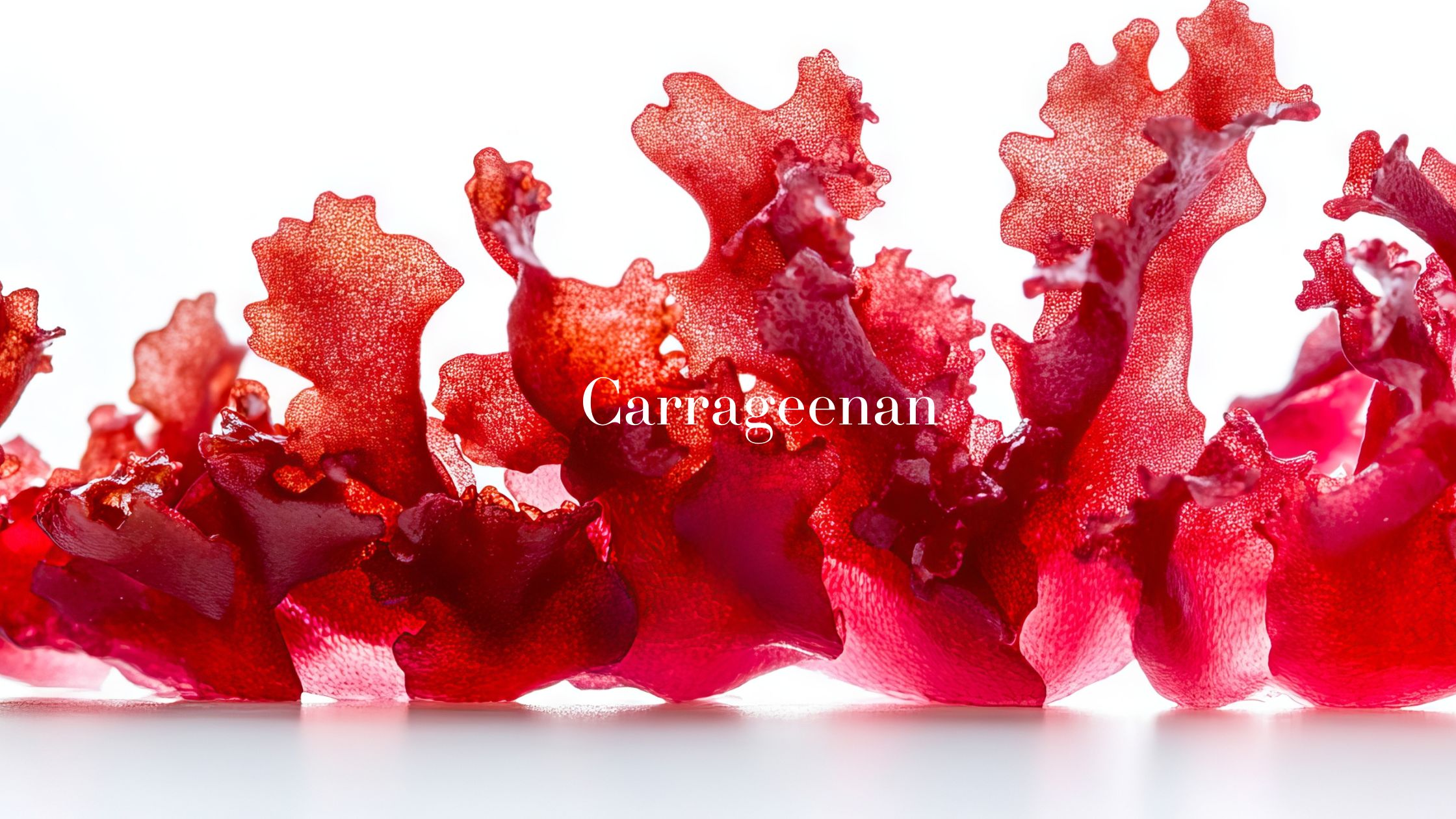
Carrageenan, a versatile polysaccharide derived from red seaweeds, has become an extensively utilized ingredient in the food industry, renowned for its gelling, thickening, and stabilizing properties. This natural additive enhances the texture and consistency of a diverse array of processed foods, including dairy products, meat, sauces, and desserts, thereby making it a staple in many households. Given its ubiquity on grocery shelves, it is essential to understand the nature of carrageenan, its historical significance, and its implications for health. As consumers navigate modern dietary choices, a comprehensive understanding of this enigmatic ingredient is crucial, not only to appreciate its functional roles in food products but also to make informed decisions regarding its consumption and potential health effects
Historical Context and Traditional Use
The origins of carrageenan can be traced back to the 14th century along the Irish coast, where it was derived from Chondrus crispus, commonly known as Irish moss. This seaweed was named after Carragheen, a village in Waterford, Ireland, and was historically utilized for its gel-like properties in traditional medicine for ailments such as coughs and digestive issues (Nečas & Bartošíková, 2013). The use of Irish moss as a thickening agent in food further underscores its long-standing significance in culinary practices.
In the late 19th century, carrageenan began to be recognized for its industrial applications, particularly in food processing. The early 20th century saw a surge in its commercial production, coinciding with the rise of processed foods, where carrageenan’s gelling and stabilizing properties were increasingly valued (Nečas & Bartošíková, 2013). This transition from a local remedy to a global food additive illustrates the evolving understanding and utilization of natural ingredients in modern diets.
Scientific Exploration and Industrial Development
Research into the chemical structure of carrageenan gained momentum in the 1930s and 1940s, with scientists categorizing its various types based on molecular structure. This foundational research paved the way for the widespread industrial use of carrageenan, particularly post-World War II, as the food industry expanded globally (Nečas & Bartošíková, 2013). The three main types of carrageenan—kappa, iota, and lambda—each possess unique properties that cater to different applications in food and cosmetics (Hassan et al., 2019).
Kappa-carrageenan forms strong, rigid gels, making it ideal for dairy products like chocolate milk, while Iota-carrageenan produces soft, elastic gels suitable for desserts such as flans and puddings. Lambda-carrageenan, on the other hand, does not gel but serves as an effective thickening agent in sauces and dressings (Hassan et al., 2019). This versatility has led to its incorporation into a wide array of products, from dairy and meat items to personal care products.
Modern Applications of Carrageenan
Carrageenan’s presence in contemporary food products is extensive. In dairy items such as ice cream and yogurt, it helps maintain a smooth texture and prevents ingredient separation, enhancing the overall mouthfeel (Błaszak et al., 2018). In processed meats, carrageenan retains moisture and improves yield, thereby extending shelf life and enhancing texture (Błaszak et al., 2018). Additionally, it is commonly found in canned and packaged foods, where it plays a crucial role in maintaining quality during storage (Błaszak et al., 2018).
The rise of plant-based diets has further expanded carrageenan’s applications. It is now frequently used in non-dairy milk alternatives, plant-based yogurts, and cheeses, mimicking the texture of traditional dairy products and appealing to a growing consumer base (Błaszak et al., 2018). Carrageenan also finds its way into personal care products, where it enhances texture and stability in items like moisturizers, toothpaste, and hair care products (Nečas & Bartošíková, 2013).
Modern Applications of Carrageenan
Carrageenan’s presence in contemporary food products is extensive. In dairy items such as ice cream and yogurt, it helps maintain a smooth texture and prevents ingredient separation, enhancing the overall mouthfeel (Błaszak et al., 2018). In processed meats, carrageenan retains moisture and improves yield, thereby extending shelf life and enhancing texture (Błaszak et al., 2018). Additionally, it is commonly found in canned and packaged foods, where it plays a crucial role in maintaining quality during storage (Błaszak et al., 2018).
The rise of plant-based diets has further expanded carrageenan’s applications. It is now frequently used in non-dairy milk alternatives, plant-based yogurts, and cheeses, mimicking the texture of traditional dairy products and appealing to a growing consumer base (Błaszak et al., 2018). Carrageenan also finds its way into personal care products, where it enhances texture and stability in items like moisturizers, toothpaste, and hair care products (Nečas & Bartošíková, 2013).
[/et_pb_text][/et_pb_column][et_pb_column type=”1_2″ _builder_version=”4.27.4″ _module_preset=”default” global_colors_info=”{}”][et_pb_image src=”https://www.immortalme.com/wp-content/uploads/2025/02/dairy-1.jpg” title_text=”dairy” _builder_version=”4.27.4″ _module_preset=”default” hover_enabled=”0″ border_radii=”on|6px|6px|6px|6px” box_shadow_style=”preset1″ box_shadow_spread=”3px” box_shadow_color=”#84776C” global_colors_info=”{}” sticky_enabled=”0″][/et_pb_image][/et_pb_column][/et_pb_row][/et_pb_section][et_pb_section fb_built=”1″ _builder_version=”4.27.4″ _module_preset=”default” background_color=”#F2F2F2″ min_height=”605.2px” custom_margin=”-7px||-13px|||” custom_padding=”11px||9px|||” global_colors_info=”{}”][et_pb_row _builder_version=”4.27.4″ _module_preset=”default” custom_margin=”-8px|auto||auto||” custom_padding=”10px||4px|||” global_colors_info=”{}”][et_pb_column type=”4_4″ _builder_version=”4.27.4″ _module_preset=”default” global_colors_info=”{}”][et_pb_heading title=”Examples of Products Containing Carrageenan” _builder_version=”4.27.4″ _module_preset=”default” title_level=”h2″ title_text_color=”#000000″ global_colors_info=”{}”][/et_pb_heading][/et_pb_column][/et_pb_row][et_pb_row column_structure=”1_2,1_2″ _builder_version=”4.27.4″ _module_preset=”default” min_height=”467.8px” custom_margin=”-12px|auto|-6px|auto||” custom_padding=”19px||0px|||” global_colors_info=”{}”][et_pb_column type=”1_2″ _builder_version=”4.27.4″ _module_preset=”default” global_colors_info=”{}”][et_pb_text _builder_version=”4.27.4″ _module_preset=”default” text_text_color=”#000000″ text_font_size=”17px” header_font_size=”26px” header_2_text_color=”#000000″ min_height=”437.2px” custom_margin=”||1px|||” custom_padding=”||0px|||” global_colors_info=”{}”]Dairy Products: Carrageenan is frequently used in dairy items such as chocolate milk, ice cream, and yogurt. It helps maintain a smooth texture and prevents separation of ingredients, enhancing the overall mouthfeel of these products (Tello, 2024; McKim et al., 2018).
Meat Products: In processed meats like ham, sausages, and poultry, carrageenan is uaed to retain moisture and improve yield by binding meat juices. This application enhances the texture and extends the shelf life of these products (Borsani et al., 2021; McKim et al., 2018; Nečas & Bartošíková, 2013).
Desserts and Confectionery: Carrageenan is used in desserts like puddings, jellies, and marshmallows, where it provides the desired gel-like consistency. Its thickening properties are beneficial in creating stable, appealing dessert textures (Tello, 2024; McKim et al., 2018). Additionally, carrageenan adds to the overall sensory experience of these products, making them more enjoyable for consumers (Błaszak et al., 2018).
[/et_pb_text][/et_pb_column][et_pb_column type=”1_2″ _builder_version=”4.27.4″ _module_preset=”default” global_colors_info=”{}”][et_pb_text _builder_version=”4.27.4″ _module_preset=”default” text_text_color=”#000000″ text_font_size=”17px” header_text_color=”#000000″ header_font_size=”26px” header_2_text_color=”#000000″ custom_margin=”-5px|||||” custom_padding=”5px||0px|||” global_colors_info=”{}”]Canned and Packaged Foods: Many ready-to-eat meals, soups, and canned foods utilize carrageenan to improve texture and prevent separation of ingredients during storage. This application is crucial for maintaining quality over time (Borsani et al., 2021; McKim et al., 2018).
Sauces and Dressings: Carrageenan is a common ingredient in sauces, salad dressings, and gravies, where it acts as a thickening agent. Its ability to stabilize emulsions makes it particularly valuable in these applications (Błaszak et al., 2018; McKim et al., 2018).
Plant-Based Alternatives: With the rise of plant-based diets, carrageenan has found its way into various vegan products, including non-dairy milk alternatives, plant-based yogurts, and cheeses. It helps mimic the texture of traditional dairy products, making them more appealing to consumers (Borsani et al., 2021; Liu et al., 2021).
[/et_pb_text][/et_pb_column][/et_pb_row][et_pb_row _builder_version=”4.27.4″ _module_preset=”default” custom_margin=”14px|auto||auto||” custom_padding=”8px||6px|||” global_colors_info=”{}”][et_pb_column type=”4_4″ _builder_version=”4.27.4″ _module_preset=”default” global_colors_info=”{}”][et_pb_text _builder_version=”4.27.4″ _module_preset=”default” text_text_color=”#000000″ text_font_size=”17px” header_text_color=”#000000″ custom_margin=”-8px|||||” global_colors_info=”{}”]Pet Foods: Carrageenan is sometimes included in canned pet foods, serving similar functions as in human food products by improving texture and moisture retention (Błaszak et al., 2018; McKim et al., 2018).
Cosmetics and Personal Care Products
Carrageenan’s multifunctional properties make it a valuable ingredient in the cosmetics and personal care industries. It is widely utilized for its gelling, thickening, and stabilizing capabilities, which enhance the texture and application of various products (Abad et al., 2014). For instance, carrageenan is commonly found in moisturizers, where it improves the product’s consistency and provides a smooth application (Ficko-Blean et al., 2017). Additionally, its gel-forming ability is beneficial in facial masks and conditioners, contributing to a desirable feel and performance (Feferman et al., 2020).
The increasing demand for natural and sustainable ingredients in cosmetics has further propelled the use of carrageenan. Its natural origin and multifunctional properties align well with consumer preferences for eco-friendly and effective personal care products (MINGU, 2024). Moreover, carrageenan has been explored for its potential health benefits, such as its antiviral properties against human papillomavirus (HPV), making it a promising candidate for innovative applications in skincare and health-related products (Putri et al., 2023).
[/et_pb_text][/et_pb_column][/et_pb_row][/et_pb_section][et_pb_section fb_built=”1″ _builder_version=”4.27.4″ _module_preset=”default” background_color=”#F2F2F2″ min_height=”895.8px” custom_margin=”12px|||||” custom_padding=”29px||8px|||” global_colors_info=”{}”][et_pb_row _builder_version=”4.27.4″ _module_preset=”default” custom_margin=”-21px|auto||auto||” custom_padding=”9px||6px|||” global_colors_info=”{}”][et_pb_column type=”4_4″ _builder_version=”4.27.4″ _module_preset=”default” global_colors_info=”{}”][et_pb_text _builder_version=”4.27.4″ _module_preset=”default” text_font=”||||||||” text_text_color=”#000000″ text_font_size=”17px” header_text_color=”#000000″ global_colors_info=”{}”]Regulatory and Health Considerations
Despite its widespread use and classification as “generally recognized as safe” (GRAS) by regulatory bodies such as the FDA and EFSA, concerns regarding carrageenan’s potential health risks have emerged. Research indicates that carrageenan may provoke inflammatory responses and gastrointestinal issues in some individuals (Liu et al., 2021). The distinction between degraded and undegraded forms of carrageenan is particularly significant in this context, as degraded forms (poligeenan) have been linked to adverse health effects, including gastrointestinal inflammation (Liu et al., 2021).
Studies have shown that degraded carrageenan can lead to severe intestinal ulcerations in animal models, raising questions about its safety in human diets (Liu et al., 2021). Furthermore, carrageenan has been implicated in altering gut microbiota composition and increasing intestinal permeability, potentially contributing to conditions such as “leaky gut” syndrome (Liu et al., 2021). The implications of these findings underscore the need for ongoing research into the long-term effects of carrageenan consumption, particularly for individuals with pre-existing gastrointestinal disorders.
Digestive Health
The health implications of carrageenan have been a topic of significant debate, particularly concerning the distinctions between its degraded and undegraded forms, leading to ongoing research and discussions about its safety in food. The controversy largely centers around the difference between degraded (poligeenan) and undegraded (food-grade) carrageenan. Poligeenan, which is not approved for food use and has been linked to gastrointestinal issues in animal studies, including inflammation and lesions (Liu et al., 2021; Hebar et al., 2015). In contrast, food-grade carrageenan is designed to be free of poligeenan; however, some researchers contend that degradation may occur under specific conditions, such as the acidic environment of the stomach (Qonitatillah et al., 2020; Mavelil-Sam et al., 2023).
[/et_pb_text][/et_pb_column][/et_pb_row][et_pb_row column_structure=”1_2,1_2″ _builder_version=”4.27.4″ _module_preset=”default” global_colors_info=”{}”][et_pb_column type=”1_2″ _builder_version=”4.27.4″ _module_preset=”default” global_colors_info=”{}”][et_pb_image src=”https://www.immortalme.com/wp-content/uploads/2025/02/gut-_daily-dose.png” title_text=”gut _daily dose” _builder_version=”4.27.4″ _module_preset=”default” custom_padding=”15px||||false|false” hover_enabled=”0″ global_colors_info=”{}” sticky_enabled=”0″ border_radii=”on|6px|6px|6px|6px” box_shadow_style=”preset1″ box_shadow_spread=”3px” box_shadow_color=”#84776C”][/et_pb_image][/et_pb_column][et_pb_column type=”1_2″ _builder_version=”4.27.4″ _module_preset=”default” global_colors_info=”{}”][et_pb_text _builder_version=”4.27.4″ _module_preset=”default” text_text_color=”#000000″ text_font_size=”17px” global_colors_info=”{}”]Gastrointestinal Inflammation and Carrageenan
One of the primary concerns regarding carrageenan is its potential to induce gastrointestinal inflammation. Studies have demonstrated that degraded forms of carrageenan can lead to severe intestinal ulcerations and inflammation in animal models, such as guinea pigs, where 100% of subjects developed large intestine ulcerations after exposure to degraded carrageenan (Jm et al., 2019). Furthermore, carrageenan has been shown to activate the Wnt/β-Catenin signaling pathway in colonocytes, which may contribute to the development of intestinal polyps (Cotas et al., 2020). This pro-inflammatory potential is further supported by findings that κ-carrageenan exacerbates inflammation in models of colitis, indicating that carrageenan may act as an inflammatory agent rather than a neutral food additive (Wu et al., 2017).
[/et_pb_text][/et_pb_column][/et_pb_row][et_pb_row _builder_version=”4.27.4″ _module_preset=”default” custom_margin=”-21px|auto||auto||” custom_padding=”9px||6px|||” global_colors_info=”{}”][et_pb_column type=”4_4″ _builder_version=”4.27.4″ _module_preset=”default” global_colors_info=”{}”][et_pb_text _builder_version=”4.27.4″ _module_preset=”default” text_font=”||||||||” text_text_color=”#000000″ text_font_size=”17px” header_text_color=”#000000″ global_colors_info=”{}”]Impact on Gut Microbiota and Intestinal Permeability
In addition to its inflammatory effects, carrageenan has been implicated in altering gut microbiota composition and increasing intestinal permeability, contributing to conditions such as “leaky gut” syndrome (Kimilu, 2024). The alteration of the gut microbiome can lead to a reduction in bacterial diversity, which is crucial for maintaining gut health and preventing inflammatory bowel diseases (IBD) (Martino et al., 2017). The presence of carrageenan in the diet has been linked to the exacerbation of IBD symptoms, highlighting its potential role as a dietary trigger for individuals predisposed to such conditions (Kimilu, 2024).
Cytotoxic Effects
Moreover, carrageenan’s cytotoxic effects have been observed in various studies. For instance, research indicates that carrageenan can inhibit cell proliferation in human cancer cells, suggesting that it may have both anti-cancer and pro-cancer effects depending on the context (Prasedya et al., 2016). While some studies have reported that certain forms of carrageenan can stimulate immune responses beneficial in cancer immunotherapy, the overall implications of carrageenan consumption remain controversial due to its dual nature (Luo et al., 2015).
Safety Concerns and Regulatory Perspectives
The safety of carrageenan has been debated extensively, with some reviews suggesting that the adverse effects observed in animal studies may not directly translate to humans due to differences in metabolism and physiology (McKim, 2014). However, the accumulation of evidence indicating carrageenan’s potential to induce inflammation and alter gut health cannot be overlooked. The long-term consumption of carrageenan-containing foods may pose risks, particularly for vulnerable populations such as those with existing gastrointestinal disorders (Liu et al., 2021).
Current Trends and Research Directions
The field of digestive health research is rapidly evolving, with a focus on understanding the complex interactions between diet, gut microbiota, and overall health. Key areas of investigation include the role of dietary additives like carrageenan in gut health, the impact of probiotics and prebiotics on microbial diversity, and the exploration of specific diets for managing inflammatory bowel diseases (IBD) (Liu et al., 2021).
Recent studies have highlighted the importance of microbial diversity in maintaining gut health and preventing diseases such as obesity and diabetes. The relationship between diet and gut microbiota is increasingly recognized as a critical factor in health outcomes, prompting further exploration into how food additives like carrageenan may influence these dynamics (Liu et al., 2021).
Moreover, the potential for personalized nutrition approaches, tailored to individual microbiomes and dietary habits, is gaining traction in the field. Integrative strategies that combine conventional medical treatments with dietary modifications and lifestyle changes are being explored for their efficacy in managing digestive health health (Liu et al., 2021).
Conclusion
Carrageenan, with its rich history and diverse applications, plays a significant role in modern diets and industries. While its functional properties as a thickening and stabilizing agent are well-established, the emerging concerns regarding its health implications warrant careful consideration. As research continues to evolve, consumers are encouraged to stay informed about the ingredients in their food and personal care products, making choices that align with their health and dietary preferences.
In conclusion, while carrageenan is widely used and considered safe by some regulatory standards, emerging research highlights significant concerns regarding its impact on gastrointestinal health and inflammatory processes. The evidence suggests that carrageenan may not be as benign as once thought, warranting further investigation and critical evaluation of its extensive use in food products and its long-term effects on human health.
1. Abad, Lucille V., et al.(2014) “Emerging applications of radiation-modified carrageenans”. Nuclear Instruments and Methods in Physics Research Section B: Beam Interactions with Materials and Atoms, vol. 336, 2014, p. 167-172. https://doi.org/10.1016/j.nimb.2014.07.005
2. Bhattacharyya, S. (2024). Common food additive carrageenan inhibits proglucagon expression and glp-1 secretion by human enteroendocrine l-cells. Nutrition and Diabetes, 14(1). https://doi.org/10.1038/s41387-024-00284-4
3. Borsani, B., Santis, R., Perico, V., Penagini, F., Pendezza, E., Dilillo, D., … & D’Auria, E. (2021). The role of carrageenan in inflammatory bowel diseases and allergic reactions: where do we stand?. Nutrients, 13(10), 3402. https://doi.org/10.3390/nu13103402
4, Błaszak, B., Gozdecka, G., & Shyichuk, A. (2018). Carrageenan as a functional additive in the production of cheese and cheese-like products [pdf]. Acta Scientiarum Polonorum Technologia Alimentaria, 17(2), 107-116. https://doi.org/10.17306/j.afs.2018.0550
5, Cotas, J., Marques, V., Afonso, M., Rodrigues, C., & Pereira, L. (2020). Antitumour potential of gigartina pistillata carrageenans against colorectal cancer stem cell-enriched tumourspheres. Marine Drugs, 18(1), 50. https://doi.org/10.3390/md18010050
6, Feferman, Leo, et al. (2017) “Carrageenan-free diet shows improved glucose tolerance and insulin signaling in prediabetes: a randomized, pilot clinical trial”. Journal of Diabetes Research, vol. 2020, 2020, p. 1-16. https://doi.org/10.1155/2020/8267980
7. Ficko-Blean, E., et al. (2017) “Carrageenan catabolism is encoded by a complex regulon in marine heterotrophic bacteria”. Nature Communications, vol. 8, no. 1, 2017. https://doi.org/10.1038/s41467-017-01832-6
8. Hassan et al. “Rapid determination of kappa-carrageenan using a biosensor from immobilized Pseudomonas carrageenovora cells” Plos one (2019) doi:10.1371/journal.pone.0214580
9. Hebar et al. (2015). “Non-Clinical Safety Evaluation of Intranasal Iota-Carrageenan.” *Plos One*. doi:10.1371/journal.pone.0122911.
10. Jm, M., Ja, W., Wr, B., & Ml, W. (2019). Gastrointestinal tract digestion and carrageenan: how misconceptions have influenced the understanding of carrageenan safety. Journal of Nutritional Biology, 364-376. https://doi.org/10.18314/jnb.v5i1.1792
11. Kimilu, N. (2024). Carrageenan in the diet: friend or foe for inflammatory bowel disease?. Nutrients, 16(11), 1780. https://doi.org/10.3390/nu16111780
12. Liu, F., Hou, P., Zhang, H., Tang, Q., Xue, C., & Li, R. (2021). Food‐grade carrageenans and their implications in health and disease. Comprehensive Reviews in Food Science and Food Safety, 20(4), 3918-3936. https://doi.org/10.1111/1541-4337.12790
13. Luo, M., Shao, B., Nie, W., Wei, X., Li, Y., Wang, B., … & Wei, Y. (2015). Antitumor and adjuvant activity of λ-carrageenan by stimulating immune response in cancer immunotherapy. Scientific Reports, 5(1). https://doi.org/10.1038/srep11062
14. Martino, J., Limbergen, J., & Cahill, L. (2017). The role of carrageenan and carboxymethylcellulose in the development of intestinal inflammation. Frontiers in Pediatrics, 5. https://doi.org/10.3389/fped.2017.00096
15. Mavelil-Sam et al. (2023). “Recent Developments and Formulations for Hydrophobic Modification of Carrageenan Bionanocomposites.” *Polymers*. doi:10.3390/polym15071650.
16. McKim, J. (2014). Food additive carrageenan: part i: a critical review of carrageenanin vitrostudies, potential pitfalls, and implications for human health and safety. Critical Reviews in Toxicology, 44(3), 211-243. https://doi.org/10.3109/10408444.2013.861797
17. McKim, J., Willoughby, J., Blakemore, W., & Weiner, M. (2018). Clarifying the confusion between poligeenan, degraded carrageenan, and carrageenan: a review of the chemistry, nomenclature, andin vivotoxicology by the oral route. Critical Reviews in Food Science and Nutrition, 59(19), 3054-3073. https://doi.org/10.1080/10408398.2018.1481822
18. MINGU, NAZIRAH, et al. (2024) “Red seaweed carrageenan: a comprehensive review of preparation in cosmetics – an in depth analysis”. Borneo Journal of Resource Science and Technology, vol. 14, no. 2, 2024, p. 156-172. https://doi.org/10.33736/bjrst.7290.2024
19. Nečas, J. and Bartošíková, L. (2013). Carrageenan: a review. Veterinární Medicína, 58(4), 187-205. https://doi.org/10.17221/6758-vetmed
20. Prasedya, E., Miyake, M., Kobayashi, D., & Hazama, A. (2016). Carrageenan delays cell cycle progression in human cancer cells in vitro demonstrated by fucci imaging. BMC Complementary and Alternative Medicine, 16(1). https://doi.org/10.1186/s12906-016-1199-5
21. Putri, Ary M., et al. “Determining the seaweed solid waste-based ethanol potential from life cycle assessment (lca) perspective”. International Journal of Technology, vol. 14, no. 1, 2023, p. 78. https://doi.org/10.14716/ijtech.v14i1.4949
22. Qonitatillah et al. (2020). “Physical Exercise Does Not Improve Colon Inflammation in Mice Induced Lambda Carrageenan.” *Jurnal Medik Veteriner*. https://doi:10.20473/jmv.vol3.iss1.2020.57-64.
23. Tello, P. (2024). Formulation and characterization of sustainable algal-derived nanoemulgels: a green approach to minimize the dependency on synthetic surfactants. Polymers, 16(2), 194. https://doi.org/10.3390/polym16020194
14. Wu, W., Zhen, Z., Niu, T., Zhu, X., Gao, Y., Yan, J., … & Chen, H. (2017). κ-Carrageenan Enhances Lipopolysaccharide-Induced Interleukin-8 Secretion by Stimulating the Bcl10-NF-κB Pathway in ht-29 cells and Aggravates. C.freundii-Induced Inflammation in Mice. Mediators of Inflammation, 2017, 1-1 https://doi.org/10.1155/2017/8634865
[/et_pb_toggle][/et_pb_column][/et_pb_row][/et_pb_section][et_pb_section fb_built=”1″ _builder_version=”4.27.4″ _module_preset=”default” background_color=”#84776C” custom_margin=”||-60px||false|false” custom_padding=”35px||60px||false|false” global_colors_info=”{}”][et_pb_row _builder_version=”4.27.4″ _module_preset=”default” global_colors_info=”{}”][et_pb_column type=”4_4″ _builder_version=”4.27.4″ _module_preset=”default” global_colors_info=”{}”][et_pb_heading title=”More Articles You May Like” _builder_version=”4.27.4″ _module_preset=”default” title_text_color=”#FFFFFF” global_colors_info=”{}”][/et_pb_heading][et_pb_divider color=”#F2F2F2″ divider_weight=”2px” _builder_version=”4.27.4″ _module_preset=”default” global_colors_info=”{}”][/et_pb_divider][et_pb_blog_extras posts_number=”12″ include_categories=”21″ blog_layout=”slider” slider_layout=”vertical_grid” excerpt_length=”600″ show_author=”off” show_date=”off” category_color=”#2533ab” category_background_color=”RGBA(255,255,255,0)” show_comments=”off” content_color=”#000000″ slider_loop=”on” _builder_version=”4.27.4″ _module_preset=”default” header_text_color=”#000000″ body_text_color=”#000000″ meta_text_color=”#000000″ border_radii=”on|10px|10px|10px|10px” border_width_all=”2px” border_color_all=”rgba(242,242,242,0.32)” box_shadow_style=”preset2″ box_shadow_blur=”28px” box_shadow_color=”rgba(0,0,0,0.53)” global_colors_info=”{}”][/et_pb_blog_extras][/et_pb_column][/et_pb_row][et_pb_row _builder_version=”4.27.4″ _module_preset=”default” background_color=”#FFFFFF” border_radii=”on|6px|6px|6px|6px” global_colors_info=”{}”][et_pb_column type=”4_4″ _builder_version=”4.27.4″ _module_preset=”default” global_colors_info=”{}”][et_pb_text _builder_version=”4.27.4″ _module_preset=”default” text_text_color=”#84776C” text_font_size=”12px” text_line_height=”1.5em” header_font=”|300|||||||” header_font_size=”25px” header_4_font=”–et_global_heading_font||||||||” header_4_text_color=”#84776C” custom_padding=”|17px||17px|false|false” global_colors_info=”{}”]Medical Disclaimer
The information provided in this document is intended for educational and informational purposes only and should not be construed as medical advice, diagnosis, or treatment. It is essential to consult a qualified healthcare professional for any medical concerns or conditions. The content herein does not substitute for professional medical advice, and individuals should not disregard or delay seeking medical advice based on the information provided.
The authors and publishers of this document do not assume any responsibility for any adverse effects or consequences resulting from the use or application of the information contained herein. The reader is encouraged to conduct their own research and consult with healthcare providers to make informed decisions regarding their health and treatment options. Furthermore, the information presented may not reflect the most current research or medical guidelines, as medical knowledge is continually evolving. Therefore, it is imperative to verify the information with up-to-date, peer-reviewed sources and consult with medical professionals for personalized advice.
[/et_pb_text][/et_pb_column][/et_pb_row][/et_pb_section]