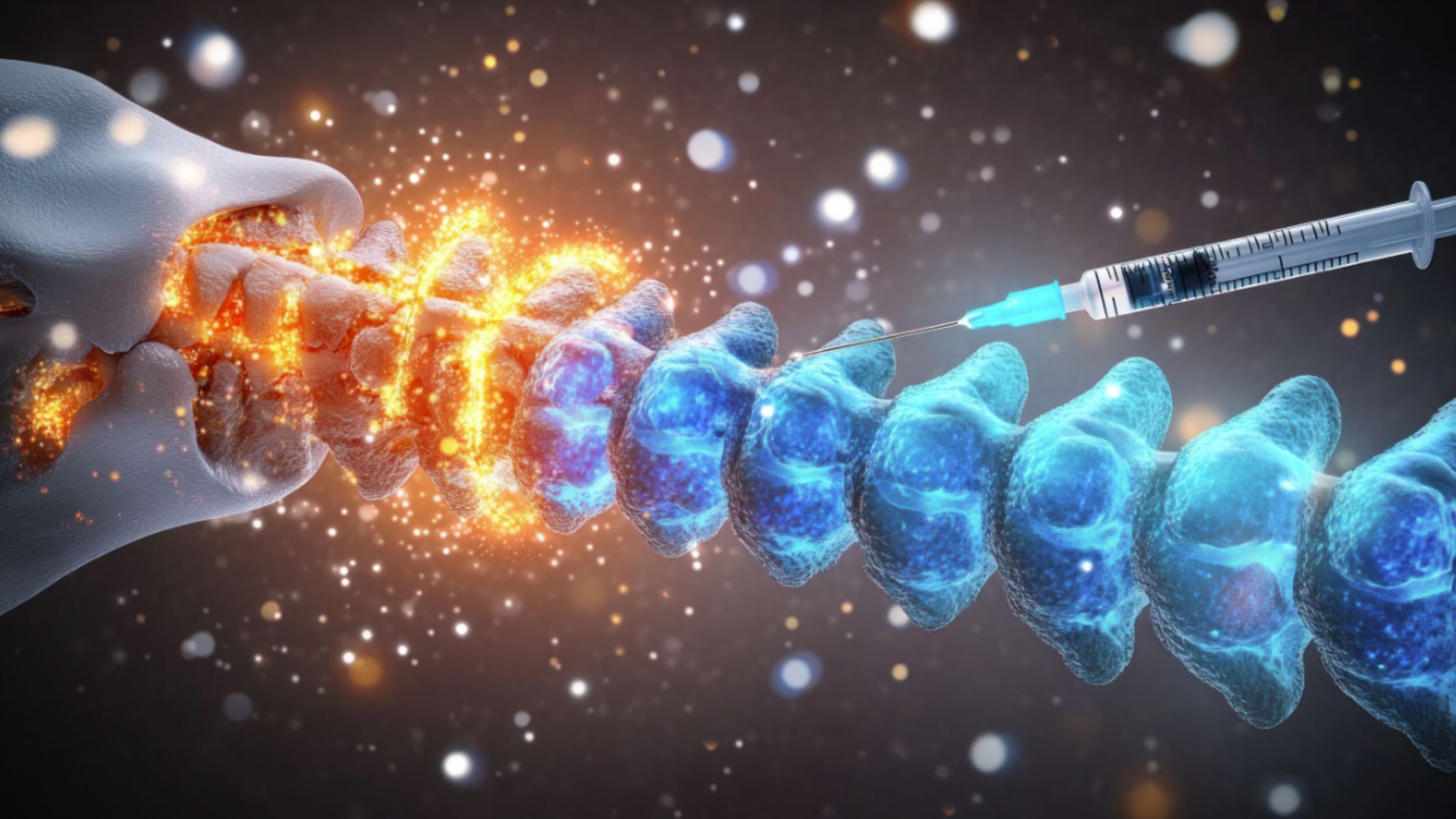
HUC-MSCs Promising Therapeutic Options
Abstract:
Human umbilical cord mesenchymal stem cells (HUC-MSCs) have emerged as a promising therapeutic option for various medical conditions, including autoimmune diseases, autism spectrum disorders (ASD), longevity-related health issues, and orthopedic applications. This article reviews the current understanding of HUC-MSCs, their mechanisms of action, and their potential applications in these areas. The unique properties of HUC-MSCs, such as their immunomodulatory effects, ability to differentiate into various cell types, and paracrine signaling capabilities, position them as a valuable tool in regenerative medicine.
Introduction
Mesenchymal stem cells (MSCs) derived from human umbilical cords (HUC-MSCs) are gaining attention for their therapeutic potential due to their unique biological properties. Unlike other sources of MSCs, HUC-MSCs are easily obtainable, exhibit low immunogenicity, and have a high proliferation capacity (Saat et al., 2016; Eggenhofer et al., 2012). These characteristics make them particularly suitable for treating a range of conditions, including autoimmune diseases, autism, promoting longevity, and addressing orthopedic injuries.
Mechanisms of Action
HUC-MSCs exert their therapeutic effects through several mechanisms, primarily involving paracrine signaling. They release a variety of cytokines and growth factors that can modulate immune responses, promote tissue repair, and enhance cellular regeneration (Assis et al., 2010; Cherkashova et al., 2023). For instance, HUC-MSCs have been shown to reduce the expression of pro-inflammatory cytokines in activated T-lymphocytes, which is crucial for managing autoimmune conditions (Witte et al., 2018). Additionally, their ability to differentiate into various cell types allows them to contribute directly to tissue regeneration, including bone and cartilage in orthopedic applications (Fu et al., 2021).
HUC-MSCs in Autoimmune Diseases
Autoimmune diseases are characterized by an inappropriate immune response against the body’s own tissues. HUC-MSCs have demonstrated significant potential in treating various autoimmune disorders. Studies have shown that HUC-MSCs can ameliorate symptoms in models of autoimmune diseases by downregulating inflammatory cytokines such as IFN-γ and IL-17A (Witte et al., 2018). Furthermore, their immunomodulatory properties can help restore immune balance, making them a viable option for conditions like multiple sclerosis and rheumatoid arthritis (Bhasin et al., 2011).
HUC-MSCs and Autism Spectrum Disorders (ASD)
The application of HUC-MSCs in treating autism spectrum disorders is an emerging area of research. Given that ASD is often associated with immune dysfunction and neuroinflammation, HUC-MSCs may offer therapeutic benefits through their anti-inflammatory properties and ability to promote neurogenesis (Zekri et al., 2015). Recent studies have indicated that HUC-MSCs can alleviate social deficiencies and immune stress in rat models of ASD, suggesting their potential for improving behavioral outcomes in affected individuals (Zekri et al., 2015).
HUC-MSCs and Longevity
The role of HUC-MSCs in promoting longevity is an exciting area of investigation. Their regenerative capabilities and ability to modulate age-related inflammation may contribute to healthier aging. Research has shown that HUC-MSCs can enhance tissue repair and reduce the impact of age-related diseases by promoting the regeneration of damaged tissues and organs (Ng et al., 2015; Hudson et al., 2017). Furthermore, their paracrine effects can help mitigate chronic inflammation, a common factor in age-related decline (Assis et al., 2010).
HUC-MSCs in Orthopedics
In orthopedic medicine, HUC-MSCs are being explored for their potential to repair and regenerate bone and cartilage tissues. Their ability to differentiate into osteoblasts and chondrocytes makes them a valuable resource for treating conditions such as osteoarthritis, fractures, and degenerative joint diseases. Studies have shown that HUC-MSCs can enhance bone healing and regeneration in animal models of orthopedic injuries (Mirotsou et al., 2011; Wingate et al., 2014). Furthermore, the application of HUC-MSC-derived exosomes has been shown to promote cartilage repair and reduce inflammation in osteoarthritis models, highlighting their therapeutic potential in orthopedic applications (Josephson et al., 2019).
Clinical Applications and Future Directions
The clinical applications of HUC-MSCs are expanding, with numerous studies demonstrating their safety and efficacy in various conditions. Clinical trials are underway to explore their use in treating autoimmune diseases, ASD, promoting longevity, and orthopedic injuries (Lichtenberger et al., 2016; Zhang et al., 2017). Future research should focus on optimizing the administration protocols, understanding the long-term effects of HUC-MSC therapy, and elucidating the precise mechanisms through which these cells exert their beneficial effects.
Conclusion
HUC-MSCs represent a promising avenue for the treatment of autoimmune diseases, autism spectrum disorders, longevity-related health issues, and orthopedic conditions. Their unique properties and mechanisms of action position them as a valuable tool in regenerative medicine. Continued research and clinical trials will be essential to fully realize their therapeutic potential and establish standardized treatment protocols.
- Saat, T. C., Engel, S. v. d., Bijman-Lachger, W., Korevaar, S. S., Hoogduijn, M. J., IJzermans, J. N., … & Bruin, R. W. d. (2016). Fate and effect of intravenously infused mesenchymal stem cells in a mouse model of hepatic ischemia reperfusion injury and resection. Stem Cells International, 2016(1). https://doi.org/10.1155/2016/5761487
- Eggenhofer, E., Benseler, V., Kroemer, A., Popp, F., Geissler, E. K., Schlitt, H. J., … & Hoogduijn, M. J. (2012). Mesenchymal stem cells are short-lived and do not migrate beyond the lungs after intravenous infusion. Frontiers in Immunology, 3. https://doi.org/10.3389/fimmu.2012.00297
- Assis, A. C. M., Carvalho, J. L., Jacoby, B. A., Ferreira, R. L. B., Castanheira, P., Fernandes, S. O. A., … & Ferreira, A. J. (2010). Time-dependent migration of systemically delivered bone marrow mesenchymal stem cells to the infarcted heart. Cell Transplantation, 19(2), 219-230. https://doi.org/10.3727/096368909×479677
- Cherkashova, E., Namestnikova, D. D., Gubskiy, I., Revkova, V. A., Сухинич, К. К., Melnikov, P., … & Yarygin, K. N. (2023). Dynamic mri of the mesenchymal stem cells distribution during intravenous transplantation in a rat model of ischemic stroke. Life, 13(2), 288. https://doi.org/10.3390/life13020288
- Witte, S., Luk, F., Párraga, J. M. S., Gargesha, M., Merino, A., Korevaar, S. S., … & Hoogduijn, M. J. (2018). Immunomodulation by therapeutic mesenchymal stromal cells (msc) is triggered through phagocytosis of msc by monocytic cells. Stem Cells, 36(4), 602-615. https://doi.org/10.1002/stem.2779
- Fu, Y., Sui, B., Xiang, L., Yan, X., Wu, D., Shi, S., … & Hu, X. (2021). Emerging understanding of apoptosis in mediating mesenchymal stem cell therapy. Cell Death &Amp; Disease, 12(6). https://doi.org/10.1038/s41419-021-03883-6
- Witte, S., Luk, F., Párraga, J. M. S., Gargesha, M., Merino, A., Korevaar, S. S., … & Hoogduijn, M. J. (2018). Immunomodulation by therapeutic mesenchymal stromal cells (msc) is triggered through phagocytosis of msc by monocytic cells. Stem Cells, 36(4), 602-615. https://doi.org/10.1002/stem.2779
- Bhasin, A., Srivastava, M. P., Kumaran, S. S., Mohanty, S., Bhatia, R., Bose, S., … & Airan, B. (2011). Autologous mesenchymal stem cells in chronic stroke. Cerebrovascular Diseases Extra, 1(1), 93-104. https://doi.org/10.1159/000333381
- Zekri, A. N., Salama, H., Medhat, E., Musa, S., Abdel-Haleem, H., Ahmed, O. S., … & Bahnassy, A. A. (2015). The impact of repeated autologous infusion of haematopoietic stem cells in patients with liver insufficiency. Stem Cell Research &Amp; Therapy, 6(1). https://doi.org/10.1186/s13287-015-0106-1
- Ng, K. S., Kuncewicz, T., & Karp, J. M. (2015). Beyond hit-and-run: stem cells leave a lasting memory. Cell Metabolism, 22(4), 541-543. https://doi.org/10.1016/j.cmet.2015.09.019
- Hudson, K. E., Wolski, K. d., Kapp, L. M., Richards, A. L., Schniederjan, M., & Zimring, J. C. (2017). Antibodies to senescent antigen and c3 are not required for normal red blood cell lifespan in a murine model. Frontiers in Immunology, 8. https://doi.org/10.3389/fimmu.2017.01425
- Assis, A. C. M., Carvalho, J. L., Jacoby, B. A., Ferreira, R. L. B., Castanheira, P., Fernandes, S. O. A., … & Ferreira, A. J. (2010). Time-dependent migration of systemically delivered bone marrow mesenchymal stem cells to the infarcted heart. Cell Transplantation, 19(2), 219-230. https://doi.org/10.3727/096368909×479677
- Mirotsou, M., Jayawardena, T. M., Schmeckpeper, J., Gnecchi, M., & Dzau, V. J. (2011). Paracrine mechanisms of stem cell reparative and regenerative actions in the heart. Journal of Molecular and Cellular Cardiology, 50(2), 280-289. https://doi.org/10.1016/j.yjmcc.2010.08.005
- Josephson, A. M., Bradaschia-Corrêa, V., Lee, S., Leclerc, K., Patel, K. S., López, E. M., … & Leucht, P. (2019). Age-related inflammation triggers skeletal stem/progenitor cell dysfunction. Proceedings of the National Academy of Sciences, 116(14), 6995-7004. https://doi.org/10.1073/pnas.1810692116
- Lichtenberger, B. M., Mastrogiannaki, M., & Watt, F. M. (2016). Epidermal β-catenin activation remodels the dermis via paracrine signalling to distinct fibroblast lineages. Nature Communications, 7(1). https://doi.org/10.1038/ncomms10537
- Zhang, C., Yin, X., Zhang, J., Ao, Q., Gu, Y., & Liu, Y. (2017). Clinical observation of umbilical cord mesenchymal stem cell treatment of severe idiopathic pulmonary fibrosis: a case report. Experimental and Therapeutic Medicine, 13(5), 1922-1926. https://doi.org/10.3892/etm.2017.4222
Medical Disclaimer
The information provided in this document is intended for educational and informational purposes only and should not be construed as medical advice, diagnosis, or treatment. It is essential to consult a qualified healthcare professional for any medical concerns or conditions. The content herein does not substitute for professional medical advice, and individuals should not disregard or delay seeking medical advice based on the information provided.
The authors and publishers of this document do not assume any responsibility for any adverse effects or consequences resulting from the use or application of the information contained herein. The reader is encouraged to conduct their own research and consult with healthcare providers to make informed decisions regarding their health and treatment options. Furthermore, the information presented may not reflect the most current research or medical guidelines, as medical knowledge is continually evolving. Therefore, it is imperative to verify the information with up-to-date, peer-reviewed sources and consult with medical professionals for personalized advice.
[/et_pb_text][/et_pb_column][/et_pb_row][/et_pb_section]